

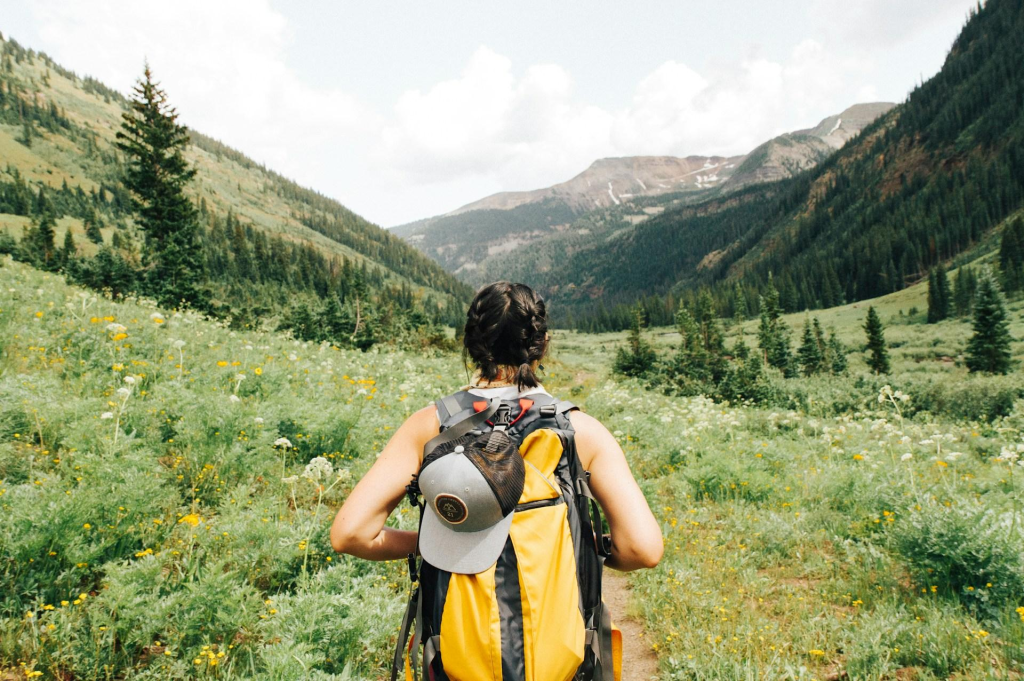
In 2023, about 175.8 million Americans – 57% of everyone aged six and older – took part in at least one outdoor activity, the highest level on record according to the Outdoor Foundation and Outdoor Industry Association.
Crowds fill trails, crags, and ranges, yet those crowds look different now. Old labels such as “gym rat” or “hiker” feel too narrow, so a new tribe steps forward: the hybrid outdoor enthusiast.
From Trail To Target: What “Hybrid” Really Means
A hybrid outdoor enthusiast refuses to live in one box. One weekend, they log trail miles, the next they test a new optic at the range, and during the wee,k they commute on a gravel bike with bikepacking bags still attached.
This crowd treats the outdoors as one big playground. Hiking boots sit next to weightlifting shoes and range ear protection. A person might book a weekend in the hills, then reserve a lane to try a classic rifle such as the ZPAPM72 for slow, precise fire under strict range rules.
The same person then relaxes at home with a smartwatch full of steps and heart-rate graphs.
Why The Hybrid Mindset Took Off
Several big shifts pushed people toward this mash-up style.
First, the pandemic pushed more people outside. Research from Penn State points to roughly a 20% rise in outdoor recreation in the U.S. as people looked for safe, socially distant activity and stress relief.
Newcomers kept those habits but refused to drop indoor routines such as strength work or spin class.
Second, the outdoor industry itself now speaks to everyone, not only hardcore mountaineers. Reports show steady growth of outdoor participation each year since 2014, across age groups and backgrounds.
Brands highlight shorter, accessible adventures, rower sessions that support ski trips, and range practice that supports ethical hunting.
Hybrid people look at that menu and simply say, “Yes.”
Tech Turns The Outdoors Into A Dashboard
Hybrid enthusiasts love nature, but they also love data.
Smartwatches and bike computers log heart rate, pace, elevation, sleep, and even recovery scores. Range apps track shot groups and save zero data for each optic. Navigation apps store routes, offline maps, and weather alerts. None of this replaces instinct, but it supports better decisions.
This tech layer also lowers the “fear of the unknown.” A new rider can follow a GPX route instead of guessing at turns. A new hiker can check recent trail reports for snow or mud. A newer shooter can review past groups and see real progress instead of relying on memory alone.
Gear Mash-Ups And Garage Tetris
The hybrid lifestyle reshapes closets and garages.
A single person may own trail runners, approach shoes, ski boots, cycling shoes, and steel-toe work boots. They might stash a plate carrier next to a climbing harness, plus camera gear for trips that double as content missions.
Transport also evolves. Van builds, pickup campers, and serious overland trailers now often rely on professional-grade truck hydraulics for lifts, ramps, and tipping beds that handle heavy equipment with far more control than a basic mechanical setup. The same rig can haul bikes one weekend, a compact tractor the next, and range steel the weekend after that.
This gear sprawl can look ridiculous on social media, yet it follows a clear logic: one life, many roles, shared equipment where possible.
Community: Less Gatekeeping, More Cross-Pollination
Old-school scenes sometimes enforced strict identities. Climbers rolled eyes at “gym bros”, hunters rolled eyes at ultralight hikers, and so on. The hybrid wave softens those lines.
Climbing gyms now host strength classes. Running clubs meet at breweries that also organize hiking clean-ups. Shooting ranges host “intro to the outdoors” days that cover safety, first aid, and navigation, not only marksmanship. At the same time, outdoor festivals welcome gun-adjacent brands that focus on safety, storage, and responsible use rather than edgy posturing.
Data backs this broader tent. Recent participation reports highlight growth among women, older adults, and diverse communities, not only in one activity but across multiple outdoor pursuits.
Hybrids help that trend because they invite friends in through whatever door feels least intimidating.
Sustainability And Responsibility Still Set The Rules
More people outside and more complex gear raise obvious questions: noise, land impact, safety, and climate footprint.
Hybrid enthusiasts usually accept a few firm rules. Leave No Trace starts every trip. Range visits stay inside legal and safety frameworks, with respect for local communities. High-horsepower truck builds now often sit next to carbon offset subscriptions, solar panels on roof racks, and serious interest in trail-maintenance days.
Industry numbers show outdoor recreation as a large chunk of GDP, so brands and destinations now talk publicly about stewardship, climate adaptation, and inclusive access.
Hybrids respond well to that message because they want long-term access to trails, crags, ranges, and wild places, not a short hype cycle.
How Brands And Creators Can Speak To Hybrids
The hybrid audience does not want a single narrow story. A few angles resonate far more:
- Multi-purpose gear: One shell that works in town and on a windy ridge. One truck setup that hauls kayaks, tools, and range gear.
- Skill-stack content: Articles and videos that connect cardio, strength, navigation, and safety instead of treating each skill as a silo.
- Realistic time budgets: Many hybrids juggle jobs, side projects, and families, so they love smart “Friday-after-work to Sunday night” trip plans.
- Respectful gun and tool coverage: Content that frames firearms as serious tools for sport or hunting, not props, and that gives safety and legal context first.
Brands that accept this complexity gain loyal fans, not casual customers.
Final Thoughts: One Body, Many Frontiers
Hybrid outdoor enthusiasts treat life as one big overlapping Venn diagram. Gym sessions support long days in the hills. Range days sharpen focus and respect for safety. Gravel rides clear the head after a week of screens. None of those pursuits cancels the others.
The rise of this tribe matches the numbers: more people step outside, more often, in more ways than ever before. If you build gear, tell stories, or plan destinations, you no longer speak to “the hiker” or “the shooter” or “the cyclist.”
You speak to one person who moves through all of those worlds in a single long weekend.
