

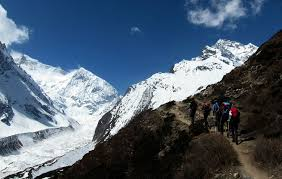
Nepal is known for its towering peaks and diverse trekking trails, making it a hiker’s paradise. Trekking opportunities abound, and the picturesque mountainous landscapes with incredible trekking routes attract thousands of travelers every month and every year. Nepal’s topography makes trekking unique and rewarding in ways that can only be described as spectacularly interesting.
Challenging treks appeal to adventure seekers. They can physically exhaust you, leave you with feisty stories to tell about walking in the thick, heavy air, and leave you in environments that are efficiently clean and naturally rugged. The trek routes are less travelled, typically require strong physical fitness and mental toughness, and offer more than just another trek or hike.
This blog will share the five hardest trekking routes in Nepal, characterized by challenging altitudes, very difficult terrain, and remote wilderness. Following one of these trekking routes will leave trekkers with unforgettable adventures that offer challenges against natural obstacles and spectacular landscapes.
- Everest Three Passes Trek
The Everest Three Passes is 17 days trek that takes around 166 km (103 miles), covering about 5,555 m at its highest point at Kala Patthar. The trek departs from and returns to Kathmandu, with a domestic flight included in Lukla, and requires around 4-6 hours of walking each day on average.
The trek is fairly difficult because of the altitude and mountain passes. These are Kongma La (5,535m), Cho La (5,420m), and Renjo La (5,340m). The trek has many steep climbs and demanding days, which means that trekkers need to have good fitness and acclimatization to altitude to avoid altitude sickness.
You will get to see an amazing view of Everest, remote valleys, and rich Sherpa culture along the way. You also get a chance to explore Sherpa villages, including Namche Bazaar and Tengboche. Additionally, you will get an opportunity to witness the panorama of Gokyo Ri, Everest Base Camp, and the Khumbu glacier.
The best months to trek in this area are September to December or February to May. During this time, the weather is stable with clear conditions, making the views better with more manageable crossing of the high passes.
- Kanchenjunga Circuit Trek
The Kanchenjunga Circuit Trek is situated in eastern Nepal, near the Indian and Tibetan border. This trek crosses its highest elevation (5,100 meters) at Pangpema and Yalung Base Camps and is completed in 19 to 22 days.
This trek will serve you with basic amenities in remote villages, steep terrain, and large distances, making it challenging. For changing weather, extreme weather, and challenging walks, you need to prepare yourself through physical and mental preparations.
However, the allure of Kanchenjunga makes you forget the challenges during the trek when you get to see the amazing Kanchenjunga view from near. Additionally, on the trail, you will see alpine meadows, lush forests, and untouched trails full of ethnic groups like Kulung Rai, Limbu, and Tibetan people.
If you want to get lost in the allure of the Kanchenjunga Circuit, then there is no better time than Spring (March to May) and autumn (September to November). Colourful landscapes, stable weather, and well-maintained dry trails make you experience enrichment in the Kanchenjung Circuit Trek.
- Manaslu Circuit Trek
Manaslu Circuit Trek in Nepal is a restricted area, and the trek is completed in 13 to 14 days. This trek covers around 170 to 180 kilometers and goes to the world’s 8th-highest Mountain, Manaslu. You will reach Larkya La pass during the trek at 5,106 meters, which is the highest point you will reach.
As the Manaslu Circuit Trek is restricted in nature, you must obtain compulsory permits. Because the trek passes 5000 meters, the risk of altitude sickness also increases. Therefore, acclimatization is crucial with proper physical fitness for unpredictable weather and difficult terrains.
The highlights of the trek include a few people or somewhere less common, great commendable glaciers, and a substantial Tibetan cultural experience through villages that are often not frequented by trekkers. The fantastic natural beauty of the trek comes from vantage points for stunning views of Manaslu and its surrounding peaks, followed by an appealing magnitude of culture.
Manaslu Circuit trek can be enjoyed more in spring (March – May) or the autumn (September – November) seasons. During the time, you will get stable weather, pleasant temperatures, and clearer skies when walking at high altitude, such as Larkya La Pass.
- Dhaulagiri Circuit Trek
The Dhaulagiri Circuit Trek in Nepal is one of the most difficult treks due to its remote location and high elevation (4000 meters) camping. The trek circumvents the awesome Dhaulagiri massif, requiring long days and numerous changes in terrain.
You will feel a sense of isolation during this remote trek, and the steep ascents of French Pass (5,360 meters) and Dhampus Pass (5,200 meters) make you feel fatigued frequently. Although the trail is quite challenging, you can easily navigate it if you have good camping skills, navigation skills, and prior high-altitude exposure.
However, the beauty of Dhaulagiri is something that will provide you with a sense of accomplishment, which makes you forget about the fatigue and challenges of the trek. Panorama of Dhaulagiri, views of hidden valleys, passes, and wilderness are the main highlights of the area. Additionally, you will see beautiful glaciers and the cultural interaction of Magar and Thakali peoples in the remote Villages.
To enjoy the Dhaulagiri Circuit trek to the fullest, schedule your trek in spring (March–May) and autumn (September–November). You will get weather stability and maintained trails during these days. In addition, there are breathtaking mountain vistas and a comfortable temperature for trekking.
- Makalu Base Camp Trek
The Makalu Base Camp trip is a less-traveled, isolated trip in eastern Nepal that is renowned for its high-altitude, unspoiled nature. It is an adventurous trek that climbs above 5,000 meters, which may come as something of a shock after well-trodden paths to popular trekking destinations.
Trekkers are confronted with steep ascents, long days of trekking with few teahouses to obtain accommodation and food, while a reasonable amount of self-reliance is required. The trek requires decent physical fitness levels; trekkers must be self-sufficient due to the isolated nature of Makalu, and trekkers should also be familiar with walking decent distances on difficult trails. The remoteness and the long days of tussle with the virtuous are also key components of your endurance.
The key highlight of this trek is the amazing Barun Valley and the view of Makalu itself, the fifth-highest mountain in the world. You will see the rich biodiversity on the trails with different flora and fauna. You can also get an amazing view of Everest and Lhotse from the Makalu Base Camp trek.
The best seasons to visit are late spring (March–May) and fall (September–November) if you’re looking for clear skies and pleasant temperatures. You will get safer trail navigation and an enjoyable trekking experience during this time frame.
Tips for Tackling Challenging Treks in Nepal
Physical and mental stamina are important to accomplish the challenging treks in Nepal as they demand steep hikes, cardio, and strength. Physical training before the trek is important, as well as mindfulness, meditation, and good planning.
Similarly, having enough acclimatization days in the schedule is equally important. Stay hydrated, eat nutritious foods, and listen to your body while trekking. Research on symptoms of altitude sickness and descend immediately if the symptoms get severe.
Packing smartly and lightly is also equally important. Pack a pair of trekking shoes, thermal and layered clothing, first aid kits, sun protection, etc. You have to pack lightly with all essential gear because you will be walking while carrying a backpack.
Hiring guides and porters serves to harness local skills, wisdom, and support; and all of this comes with additional benefits, such as peace of mind. The added benefits of going with guides mean being safer and having help with navigation. This means solo trekking can be more dangerous and physically harder, especially if you need to navigate less-defined trails in remote regions.
Conclusion
Nepal’s challenging treks: Everest Three Passes, Kanchenjunga Circuit, Manaslu Circuit, Dhaulagiri Circuit, and Makalu Base Camp offer unmatched excitement and difficulties in the trails. You will get an opportunity to witness amazing vistas on each trek.
If you know mountaineering and have previous climbing experience, then you can easily navigate the trails. However, being prepared and having the willingness to complete the trek in difficult terrains is important.
These Himalayan climbs will help you fully immerse yourself in the remote local cultures, develop yourself as a person, and give you the best scenery on earth. You will have lifetime memories, accomplishments, and motivation for the rest of your life while testing your limits in these Himalayas.
