

Nothing’s quite as disturbing as finding out you’ve had unwelcomed visitors living in your own home. Whether it’s ants marching across your kitchen counter one by one, cockroaches scuttling in the bathroom, pests can be more than a little annoying.
A professional extermination can kill off these invaders, but one factor could be the only thing that determines how effective a given treatment is: preparation.
The perfect preparation before the pest control treatment ensures the product reaches every location it needs to treat, providing extended coverage for both you and your family against pests. It’s a matter of teamwork, working closely with your pest control technician to ensure that the treatment is as thorough and effective as possible.
Here’s how to prepare your home for pest control like a pro.
1. Declutter To Maximize Treatment Reach
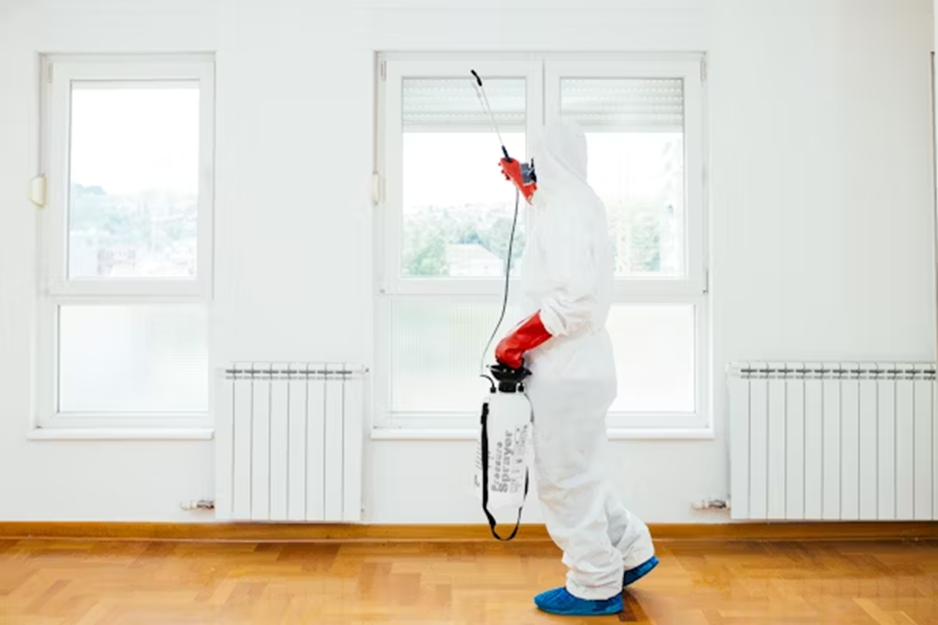
The first and foremost thing to do in order to prepare your home for pest control is to declutter. Bugs would love places where it is dark and you don’t bother them, such as behind boxes, under piles of clothes or among stacked papers.
A cluttered home not only provides them with shelter but also makes it difficult for technicians to access all the necessary treatment areas.
Thus, begin by cleaning out your spaces, especially the kitchen, bathrooms and storage areas where pests are most likely to breed. Sweep the floors, pull furniture away from the walls a bit and clear all surfaces of superfluous items. When you clear away this clutter, you give experts like Affinity Pest Control as much space as possible for treatments.
Moreover, it is a way to prevent re-infestations, as clutter has the potential for eggs or larvae that can escape treatment. And even modest efforts, like emptying out under-sink cabinets, pulling appliances away from the walls and tidying up shelves can make a big difference in how well the service works.
2. Clean Thoroughly But Strategically
Cleaning is all-important, but should be strategically done before pest control treatment. The objective would be to eliminate dirt, makeup, and leftover food particles that may attract insects or interrupt the chemicals used in treatment.
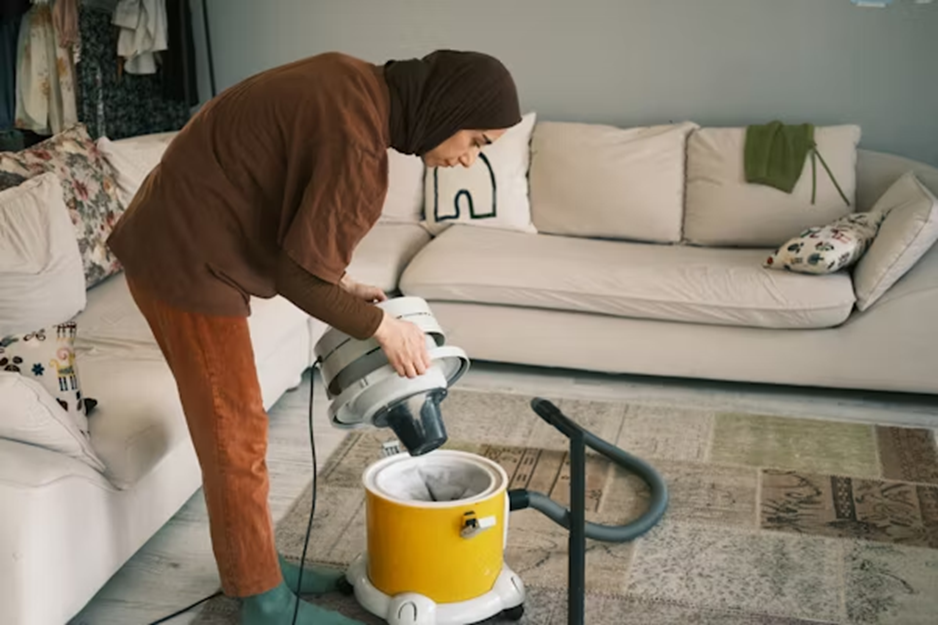
Wipe down your countertops, sweep and mop floors, and vacuum carpets/rugs. Be sure to give corners, the areas behind furniture and other accessible hiding spots a once-over as well, where bugs commonly hang out.
However, do not use strong cleaners or bleach where the technician will apply pesticides. Chemicals like bleaches can reduce the efficacy of pest control treatment. A light cleaning the day before is best. Following the application, many pest control companies suggest that you wait to do a deep clean for at least a few days, so the pesticide has time to work without being agitated. In addition, sealing food in airtight containers and disposing of trash regularly can further reduce attractants that invite pests into your home. For long-term protection and expert guidance, homeowners often rely on professional services like Cura Pest to ensure treatments are applied effectively and pest problems are prevented from returning.
3. Keep Food, Cutlery, and Kitchen Supplies Safe
Kitchens are a “hot spot” for pests, so it’s important to safeguard all edibles before treatment. Keep all foods and pet foods in air-tight containers or sealed bags. Empty your kitchen cabinets and give them a good wash to make sure there are no lingering crumbs or scents.
Also, remove and place under cover or inside cooking utensils, dishes and small appliances to keep from being exposed to pesticides.
If your pest control method is fumigation or aerosol-based, you can remove open food packages, cover countertops, and put silverware as well as dishes in cupboards in sealed plastic containers.
Clear entirely from refrigerators and pantries all perishable substances that are not hermetically sealed. These covers save food sources from infiltration or contamination by pests and enable pesticides to work effectively.
4. Rearrange Furniture and Open Entrances
For pest control to be effective, it should have access to baseboards, wall edges and hidden places where pests enter the premises or breed. Pushing furniture a couple of inches from the walls provides better access for spray and prevents missed areas.
Also, make sure workmen can access bin rooms, basements and attics. Unblock gates, cupboards and crawlspaces; clear obstructions near all entrances.
Additionally, if the treatment includes termite or rodent control, the access is more important because it allows for a more thorough inspection and placement of trap stations. Through creating an uncluttered environment, you not only save time but also enhance the quality of your results.
5. Safeguard Your Pets and Their Possessions
Pets are extra vulnerable to poisons from pest control, so it is crucial you do your part in keeping them out of harm’s way while undergoing treatment. Find them an accommodating option, such as a pet boarding, in your neighborhood and outside the house for a duration recommended by your pest control service.
No pet food dishes, bedding, or toys on treated areas. Aquariums should be covered with plastic wrap, and the air pump should be turned off so that any fumes do not enter the water.
After treatment and once it’s safe for your pets to re-enter the area, you can then wipe down surfaces they walk on or areas where they eat. It’s a small but important step in avoiding exposure to lingering chemicals.
6. Follow Pre-Treatment Instructions Carefully
A general rule is that all pest control services require some form of a pre-treatment protocol, and it varies based on the kind of pests. But say the treatment is for bed bugs, and suddenly you have to launder and seal clothes, vacuum mattresses or replace linens.
With termites, it might just mean moving any debris from around your home or making sure the technician can get to the foundation walls. Also, you should not dismiss the recommendations of procedures given by your pest control service.
Inadequate preparation may result in ineffective treatment, persistent infestations or regrowth and follow-up visits. If you’re unsure about anything, just call your tech for help. They’re there to help you achieve the best outcomes possible.
Conclusion
Not only is readying your home for pest control a courtesy to the professionals who are working on it, but it’s also an important part of taking back your living space from unwanted invaders. When you declutter, clean smartly, protect food and pets and follow pre-treatment recommendations, you make sure every little drop of effort counts.
Pest control works best as a partnership between homeowner and technician, with one actively serving the other in order to ensure that successful habits are maintained. With some preparation and a little patience, your home can be a sanctuary of comfort and cleanliness again.
