

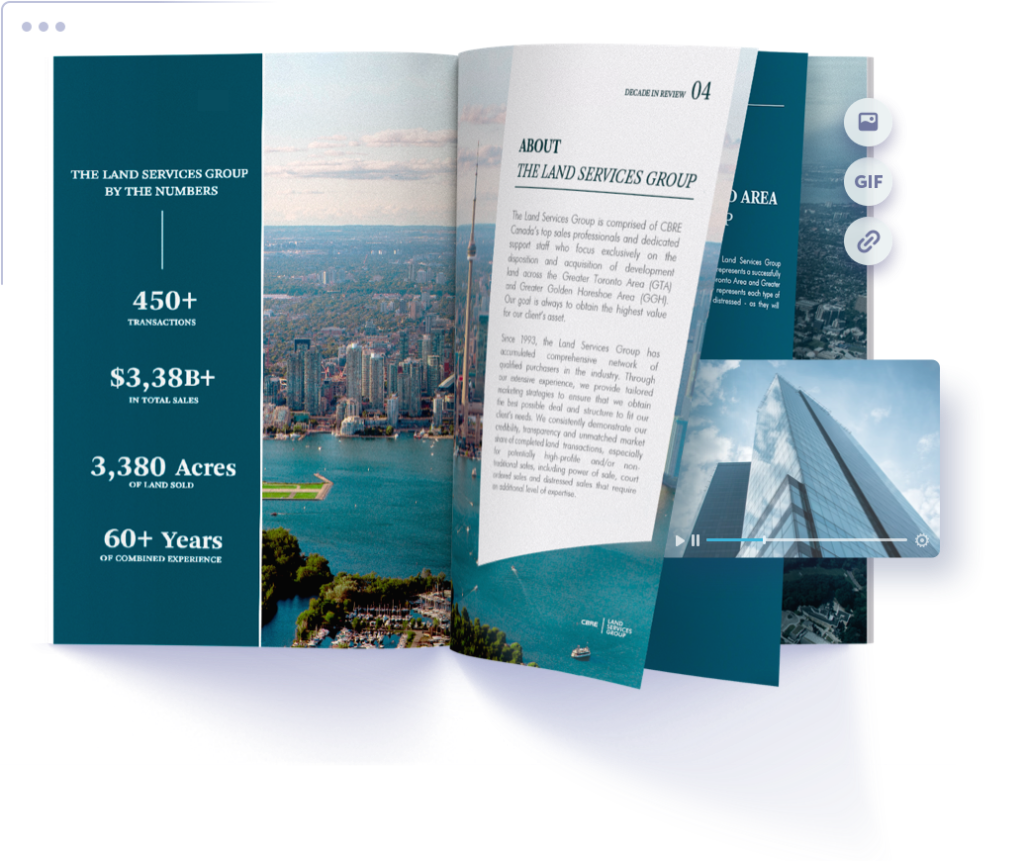
Modern businesses face a growing challenge. Customers want information fast, they prefer visual experiences, and they expect digital content to be interactive instead of static. Traditional PDFs and printed catalogs still have value, but they no longer meet the expectations of a digitally native audience. This is where a strong visual content marketing strategy becomes essential. When companies transform their catalogs into interactive digital flipbooks, they not only modernize their content but also create new opportunities for engagement, conversions and brand credibility.
Flipbooks mimic the look and feel of a real publication, yet they offer far more flexibility. From clickable elements to embedded videos, they become powerful marketing assets. As more businesses shift to visual-first digital communication, flipbooks stand out as one of the most effective ways to display catalogs, magazines and whitepapers in a dynamic format.
Why Interactive Visuals Outperform Static PDFs
Traditional PDFs are often difficult to navigate on mobile devices, and they rarely encourage readers to take action. A digital flipbook, by contrast, turns a passive document into an interactive customer experience. When combined with a carefully planned visual content marketing strategy, it becomes a tool that guides readers through a journey rather than presenting them with plain pages.
Readers can flip pages with realistic animations, access embedded links instantly, watch product demos and explore detailed visuals with ease. This level of interaction makes it easier for businesses to highlight key selling points and keep readers engaged for longer.
When people enjoy navigating content, they consume more of it. This is where conversion opportunities begin.
Using Digital Brochures to Increase Sales With Flipbooks
Digital brochures have always had potential, but flipbooks take them further. Instead of offering customers a flat document, businesses can use interactive brochures to promote products in a way that feels closer to in-person shopping. This creates an environment where browsing becomes enjoyable and buying decisions happen naturally.
Flipbooks help increase sales because they offer benefits such as:
- Clear product visuals with high-quality images
- Easy navigation that keeps readers engaged
- Clickable calls to action that lead directly to product pages
- Integrated videos that explain features or demonstrate use cases
- Analytics that show customer behavior and reading patterns
These features provide businesses with the ability to guide readers from interest to action. For example, a customer flipping through a digital catalog can click on a product image and move straight to the purchase page. This reduces friction and supports a smoother sales funnel.
For companies using platforms like WordPress, tools such as a WordPress Flipbook plugin allow them to publish interactive catalogs directly on their site. This ensures the content blends seamlessly with their brand environment while offering readers a professional and engaging format.
How Flipbooks Improve Lead Generation With Gated PDF Content
Businesses rely heavily on lead generation to grow their customer base. Gating content like whitepapers and reports has always been a reliable method for collecting emails, but the challenge lies in motivating users to fill out a form. A simple static PDF may not be strong enough to convince visitors to hand over their information.
Flipbooks change that dynamic. They transform gated content into compelling previews. Instead of downloading an unappealing PDF, visitors can browse a few pages of an attractive flipbook before being prompted to sign up. This creates interest and builds trust.
Here is how flipbooks support better lead generation with gated PDF content:
- Visitors see value instantly through a preview of interactive pages
- Engaging visuals increase desire to access the full content
- Businesses can highlight key insights to spark curiosity
- Branding appears stronger and more credible in an interactive environment
Once readers are drawn in by the preview, they are more willing to submit their details. This leads to higher-quality leads and more effective list-building.
Optimizing PDF Content for SEO With Flipbooks
PDFs are notoriously poor performers in search engines. They often lack metadata, they are not mobile responsive and they miss opportunities for internal linking. This makes them difficult to optimize for search visibility.
Flipbooks, however, solve many SEO challenges. When embedded on a website, they turn into crawlable content that benefits from webpage-level optimization. They can include structured text that search engines can read, interactive elements that support internal linking and improved engagement signals that help page rankings.
Businesses can strengthen their SEO by:
- Embedding flipbooks on dedicated landing pages
- Adding descriptive titles and meta tags
- Using keyword-rich headings within the flipbook itself
- Creating supporting blog content that links to the flipbook
- Improving dwell time through interactive page elements
By optimizing PDF content for SEO in this way, businesses turn previously hidden documents into discoverable assets that attract organic traffic. Search engines reward interactive and high-value content, giving flipbooks a natural advantage.
Why Flipbooks Enhance Brand Identity and Customer Trust
Brand identity is more than visual design. It reflects how customers feel when interacting with your content. Traditional catalogs often fail to convey this experience digitally, especially when viewed as basic PDFs. Interactive flipbooks, however, elevate the brand image by offering a modern, polished and professional presentation.
Businesses can reinforce their brand presence by:
- Using customized themes that match their visual identity
- Incorporating videos that showcase real customer stories or product tutorials
- Presenting clean layouts that feel premium and easy to read
- Adding interactive elements that demonstrate attention to detail
These elements build trust and create consistency across digital channels. Customers remember brands that deliver smooth and enjoyable interactions, which ultimately influences their buying decisions.
How Flipbooks Support Omnichannel Marketing Efforts
Customers today discover content across multiple touchpoints. Email links, social posts, ads and websites all play a part in the customer journey. Flipbooks are versatile enough to fit into every stage of omnichannel marketing.
They can be:
- Shared through email campaigns
- Embedded on landing pages
- Linked from social media posts
- Used in advertising campaigns
- Downloaded for offline viewing
This flexibility helps businesses reach customers wherever they spend time while maintaining consistent presentation and messaging. Flipbooks also offer detailed analytics, giving marketers insight into how audiences interact with each channel. This helps refine future strategies and improve ROI.
Turning Catalogs Into Conversion Tools With Smart Content Strategy
Flipbooks only reach their full potential when paired with a strategic approach. Businesses should think of them not merely as digital brochures but as conversion-focused marketing assets. That means designing them with clear goals and audience intentions in mind.
A smart strategy includes:
- Using high-quality visuals that highlight the strongest product features
- Placing calls to action in logical, engaging positions
- Keeping content concise and easy to follow
- Testing different layouts to increase engagement
- Promoting the flipbook across all marketing channels
With the right strategy, flipbooks become powerful tools that support sales, lead generation and brand growth.
A New Era of Digital Catalogs
Businesses that adapt to modern content trends gain a competitive edge. Digital flipbooks represent a shift from static documents to interactive experiences that meet customer expectations. They support sales, strengthen SEO, enhance branding and improve lead generation.
By embracing this dynamic format and applying a strong visual content marketing strategy, companies can turn their catalogs into high-converting digital assets that engage audiences and inspire action. Flipbooks are more than a trend. They are becoming an essential part of how brands communicate in the digital world.
