

Replacing a roof is one of the most significant investments a homeowner will make. It not only protects the property from the elements but also enhances curb appeal and can improve energy efficiency. While the process may seem straightforward, there are important considerations that every homeowner should understand before beginning a roof replacement project. Being informed helps ensure the work is completed smoothly, within budget, and with lasting results.
Understand the Signs That Replacement Is Necessary
The first step is recognizing when a roof truly needs replacement. Common signs include widespread shingle damage, persistent leaks, sagging areas, or visible deterioration such as curling or missing shingles. Age is also a factor; most roofs last between 20 and 30 years depending on materials and maintenance. If repairs are becoming frequent or costly, replacement may be the more practical option. Homeowners should schedule professional inspections to confirm whether replacement is necessary, as experts can identify issues that may not be visible from the ground.
Choose the Right Materials
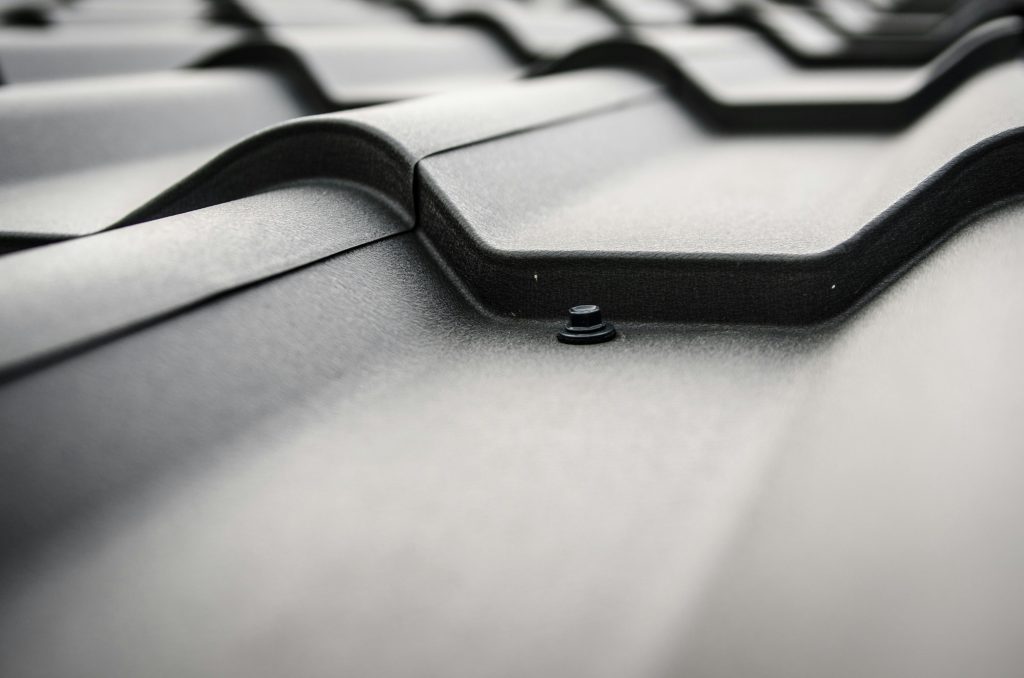
Roofing materials vary widely in durability, appearance, and cost. Asphalt shingles remain the most popular choice due to affordability and ease of installation, but other options such as metal, tile, or slate offer longer lifespans and unique aesthetics. Each material has its own maintenance requirements and performance characteristics. For example, metal roofs are highly durable and energy-efficient, while slate provides unmatched longevity but requires a stronger structural foundation. Homeowners should weigh factors such as climate, budget, and design preferences when selecting materials to ensure the roof meets both functional and aesthetic needs.
Work with a Trusted Contractor
Selecting the right contractor is critical to the success of a roof replacement. A reputable company will provide transparent estimates, use quality materials, and follow proper installation practices. Homeowners should research contractors thoroughly, checking reviews, certifications, and warranties offered. Partnering with professionals like Ace Roofing Company ensures that the project is handled with expertise and attention to detail. Experienced contractors not only deliver reliable workmanship but also guide homeowners through the process, from material selection to final inspection. Trustworthy contractors provide peace of mind that the investment will deliver long-term value.
Plan for Costs and Financing
Roof replacements can be expensive, and homeowners should plan carefully for the financial aspect of the project. Costs depend on factors such as roof size, materials chosen, and labor rates. In addition to the base estimate, homeowners should budget for potential extras such as structural repairs or upgrades to ventilation systems. Financing options, including home improvement loans or payment plans offered by contractors, can make the expense more manageable. It is also worth exploring whether insurance may cover part of the cost, particularly if the replacement is due to storm damage. Clear financial planning prevents surprises and ensures the project stays on track.
Prepare for the Installation Process
Roof replacement is a major construction project, and homeowners should be prepared for the disruption it may cause. The process typically involves removing old materials, inspecting the underlying structure, and installing the new roof. Depending on the size and complexity of the project, installation can take several days. Noise, debris, and limited access to certain areas of the home are common during this time. Homeowners should communicate with contractors about timelines and expectations, and take steps to protect landscaping or outdoor furniture. Preparing for the installation process helps minimize inconvenience and ensures a smoother experience.
Conclusion
Roof replacement is a significant undertaking, but with the right knowledge and preparation, homeowners can navigate the process confidently. Understanding when replacement is necessary, choosing appropriate materials, working with a trusted contractor, planning for costs, and preparing for installation are all essential steps. By approaching the project thoughtfully, homeowners can protect their property, enhance its value, and enjoy the peace of mind that comes with a durable, well-installed roof.
