

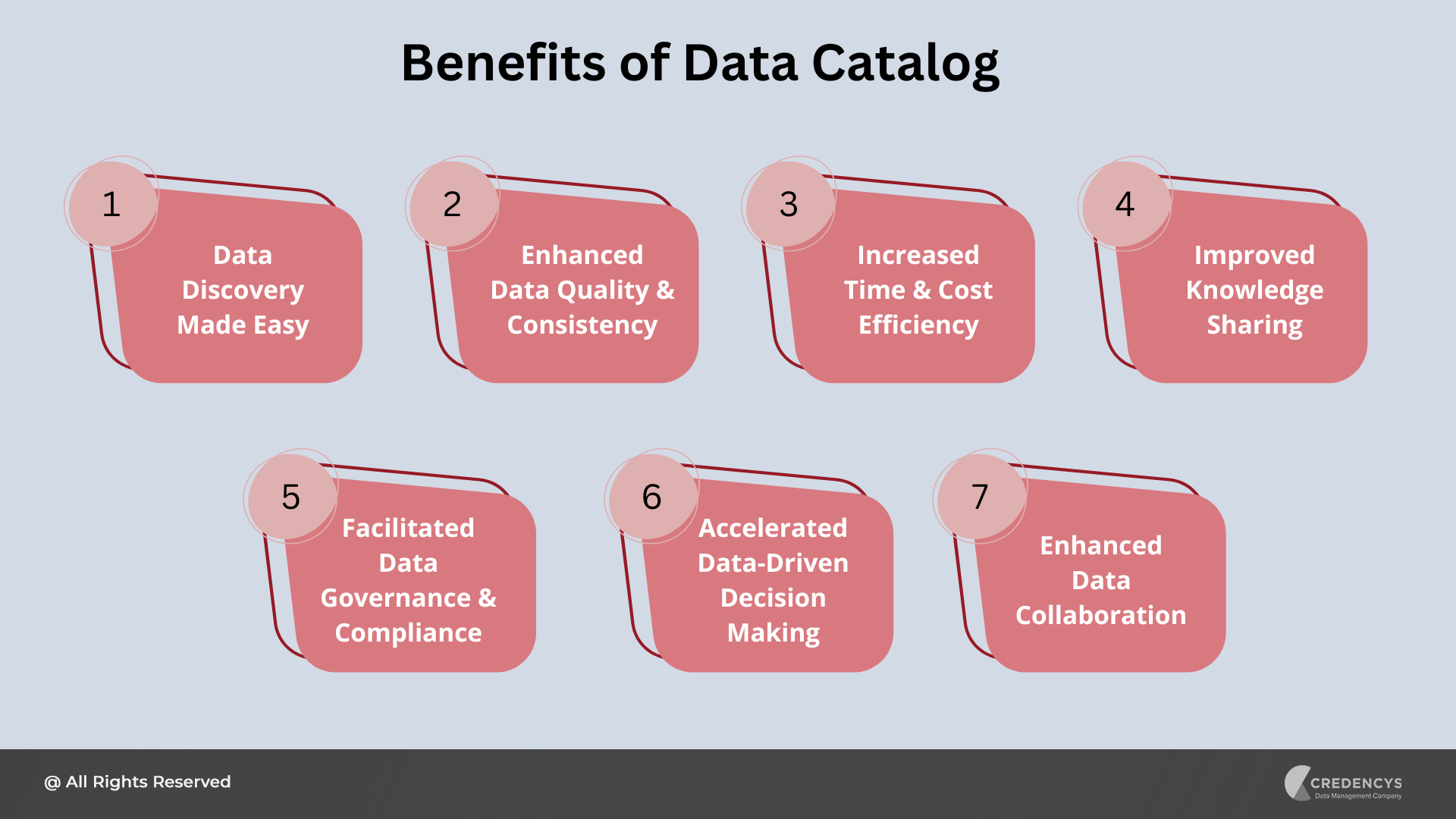
Organizations are inundated with vast amounts of information generated from various sources. Successfully navigating through this complexity requires not just the storage and processing of data but also a strategic approach to managing it effectively. As businesses strive to harness the power of analytics for decision-making, data management becomes a critical function. One of the most vital tools in achieving excellence in analytics is the effective use of a data catalog, which serves as a centralized repository for information, enhancing data discoverability, usability, and governance.
Understanding Data Management Challenges
Data management encompasses a wide range of activities, including data collection, storage, processing, and analysis. The challenges organizations face in this area are multi-faceted. Data is often siloed across departments, leading to inconsistencies in data quality and accessibility. Additionally, as the volume and variety of data continue to grow, organizations struggle to maintain an accurate and comprehensive understanding of their data assets.
Furthermore, regulatory compliance and data privacy concerns are becoming increasingly stringent, necessitating robust governance frameworks. As a result, organizations must not only focus on data analytics but also on how to manage the data lifecycle efficiently. This is where the role of a data catalog becomes essential, providing clarity and organization amidst chaos.
Enhancing Data Discoverability
One of the primary functions of a data catalog is to enhance data discoverability. In a complex data environment, finding the right data can be like searching for a needle in a haystack. A well-implemented data catalog provides a searchable interface that allows users to locate data assets easily. By indexing metadata, the catalog facilitates search and retrieval processes, making it simpler for data analysts and business users to find the information they need to drive their analyses.
Moreover, a data catalog can include rich metadata that describes data sources, data lineage, and usage statistics. This additional context helps users make informed decisions about which data sets are relevant to their analyses and whether they can trust the data’s accuracy. By improving discoverability, organizations can unlock previously underutilized data, leading to more insightful analyses and data-driven decision-making.
Improving Data Usability
Beyond discoverability, usability is another key area where data catalogs play a significant role. When data is easy to access and understand, users are more likely to engage with it, leading to increased analytical output. Data catalogs facilitate usability by providing clear descriptions, data definitions, and user guidelines for each data asset. This transparency helps bridge the gap between technical and non-technical users, empowering everyone within the organization to leverage data effectively.
Additionally, many modern data catalogs incorporate data profiling features that assess data quality and provide insights into data completeness, consistency, and accuracy. By offering these evaluations, organizations can prioritize data quality initiatives and ensure that users are working with reliable data. Enhanced usability ultimately translates into faster and more accurate analysis, driving better business outcomes.
Facilitating Data Governance and Compliance
Data governance has become a focal point for organizations as they seek to navigate complex regulatory landscapes. A data catalog plays an essential role in establishing governance by providing a structure for managing data assets. It offers organizations the ability to document data lineage, which is crucial for tracking the history of data from its origin to its final destination. Understanding data lineage helps organizations ensure compliance with regulations like GDPR and HIPAA, which mandate transparency over data usage.
Furthermore, a data catalog can incorporate role-based access controls, ensuring that only authorized users can access sensitive information. By defining user roles and permissions, organizations can mitigate risks associated with data breaches and unauthorized access. This level of governance not only enhances compliance but also fosters a culture of data stewardship within the organization, where employees understand their responsibilities concerning data usage.
Promoting Collaboration Across Teams
In many organizations, data management and analytics are often the responsibility of separate teams, which can create silos that hinder collaboration. A data catalog fosters a collaborative environment by providing a centralized platform where teams can share data assets and insights. By breaking down barriers, data catalogs encourage cross-functional collaboration, enabling diverse teams to work together toward common analytical goals.
Furthermore, many data catalogs feature collaborative tools that allow users to annotate datasets, share findings, and provide feedback. This collaborative approach not only enhances the quality of analyses but also accelerates the decision-making process as teams can swiftly act on shared insights.
Driving Analytical Excellence
Ultimately, the effective implementation of a data catalog contributes significantly to driving analytical excellence within organizations. By enhancing data discoverability, usability, governance, and collaboration, data catalogs empower users to unlock the full potential of their data. Organizations that leverage these tools are better positioned to harness insights that can inform strategy, optimize operations, and create competitive advantages.
In conclusion, as organizations continue to navigate the complexities of data management, the role of a data catalog cannot be overlooked. By serving as a fundamental resource for data governance and facilitating better collaboration, data catalogs are proving to be indispensable in the pursuit of analytical excellence. Investing in robust data management practices, supported by effective data catalog solutions, is not just a strategic advantage; it is essential for organizations aiming to thrive in the increasingly data-centric world.
