

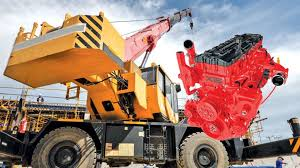
In order to move materials, excavate foundations, carry loads, and effectively finish difficult jobs, construction projects significantly depend on strong equipment. Equipment performance has a direct impact on productivity and operating costs in both large-scale infrastructure projects and smaller construction sites. The engine of heavy machinery is one of the most important factors that affect its performance. Because advanced engine technology enhances power delivery, fuel economy, environmental performance, and overall dependability, it has become a crucial component of contemporary construction equipment.
Increasing Strength And Efficiency At Work
Machines used in construction settings often have to manage large loads, navigate uneven terrain, and put in long hours under difficult circumstances. Construction equipment is guaranteed to produce steady power while operating smoothly thanks to advanced engine technology. In order to enable machines to lift, push, and move materials more effectively, modern engines are built to provide more torque at lower speeds.
For machinery like the Volvo L90H wheel loader, which is often used in operations like material loading, site preparation, and construction logistics, this improved power delivery is particularly crucial. Machines equipped with sophisticated engines can manage heavy workloads while maintaining consistent performance. This increases the overall efficiency of building projects by enabling operators to do jobs more quickly and precisely.
Improving Fuel Efficiency And Cutting Expenses
One of the highest operational costs for construction firms is fuel. Fuel consumption may be substantial for machines that operate for many hours every day, which eventually raises project expenses. Modern engine technology is essential for increasing fuel economy, which helps construction companies better control operating costs.
Modern engines are built with enhanced fuel injection, better combustion systems, and sophisticated electronic controls that manage engine performance. By ensuring that fuel is utilized more effectively, these advancements enable machines to provide more power while using less fuel. Consequently, contractors may cut fuel use without compromising performance.
Fulfilling Emission And Environmental Requirements
In many parts of the globe, environmental rules have gotten more stringent. Construction equipment manufacturers must build engines that fulfill contemporary pollution requirements while retaining high performance levels. By lowering the hazardous pollutants generated during machine operation, advanced engine technology aids in achieving this balance.
Pollutant emissions are reduced by technologies including enhanced exhaust treatment systems, better combustion processes, and sophisticated filtering techniques. These technologies enable machinery to function in accordance with regulations while lessening the environmental impact of construction operations.
By using these advancements, contemporary machinery not only conforms with environmental regulations but also helps create cleaner work environments. This is particularly crucial for building projects adjacent to cities where air quality standards and environmental issues are actively monitored.
Increasing The Durability And Reliability Of Machines
Extreme operating circumstances, such as huge loads, inclement weather, and constant usage, are required of construction machines. By guaranteeing that engines can endure these harsh conditions without often breaking down, advanced engine technology increases machine dependability.
Stronger internal parts, better cooling systems, and sophisticated monitoring systems that aid in the early detection of any problems are all features of modern engines. Real-time engine performance monitoring is made possible by sensors and electronic control units, which enable technicians and operators to spot maintenance issues before they worsen.
For building projects that have tight deadlines, dependable engine performance minimizes unplanned downtime. Contractors can maintain steady output and prevent expensive delays when equipment is reliable and functioning.
Encouraging Operator Comfort And Efficiency
Beyond only enhancing mechanical performance, advanced engine technology accomplishes more. Additionally, it improves the machine operators’ entire job experience. A more pleasant and controlled operation environment is a result of smooth power delivery, lower noise levels, and less vibration.
Tasks may be completed more accurately by operators using equipment that reacts smoothly and consistently. This helps sustain steady productivity throughout the day and lessens weariness during extended workdays. Additionally, operators who are at ease are more likely to uphold safe operating procedures, which enhances site safety.
In Conclusion
Modern construction machinery’s performance and efficiency are greatly influenced by advanced engine technology. Modern engines help construction companies operate more efficiently in harsh environments by providing stronger power, increasing machine reliability, meeting environmental standards, and improving fuel efficiency.
The Volvo L90H wheel loader is an example of how cutting-edge engineering can increase output while preserving robustness and operating effectiveness. The significance of sophisticated engine technology will only rise as construction projects continue to expand in size and complexity, guaranteeing that equipment will continue to be strong, effective, and able to satisfy the changing demands of the construction sector.
