

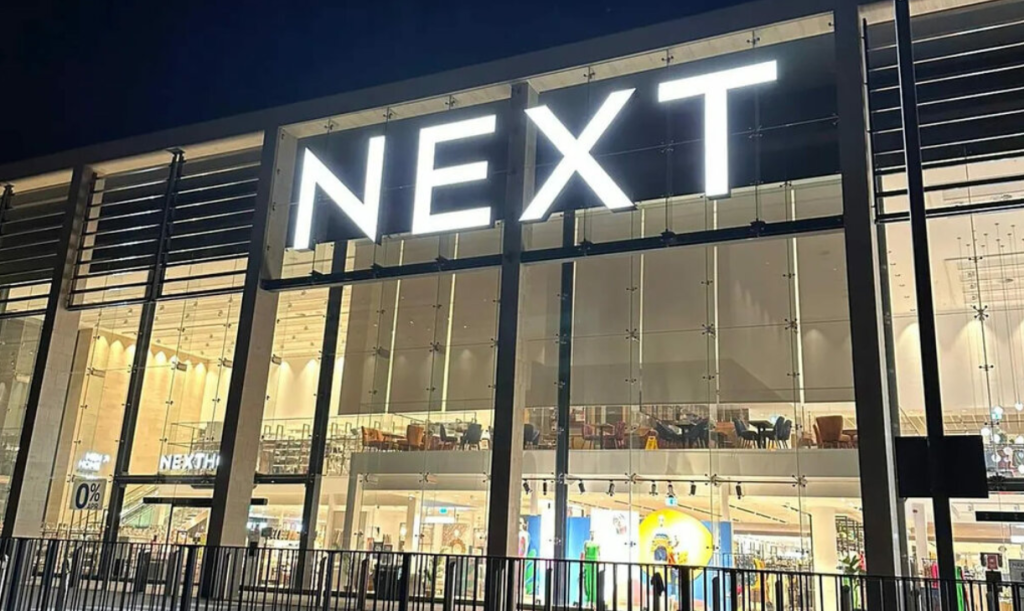
In the world of visual communication, lighting is everything. A sign without the right illumination might as well be invisible after dark, while a well-lit display can transform a storefront into a landmark. Over the past two decades, LED lighting systems have revolutionized signage applications—from elegant architectural façades and retail storefronts to massive digital billboards and wayfinding installations.
This article explores how LED lighting technologies are engineered, applied, and customized for modern signage projects. It reveals the science behind performance, energy efficiency, and design flexibility, helping project managers, architects, and businesses make informed decisions for their next illuminated creation.
The Evolution of Signage Lighting
Signage illumination has come a long way since the neon era of the mid-20th century. Neon tubing once dominated the industry, offering vivid colors and flexible designs—but at the cost of high energy consumption, fragile glass, and regular maintenance.
By the early 2000s, Light Emitting Diodes (LEDs) disrupted the field, initially used for backlighting smaller displays. Rapid improvements in power output, color rendering, and cost efficiency soon enabled LEDs to replace fluorescent and neon systems entirely.
Today, LEDs account for the vast majority of new signage installations worldwide. They’re efficient, durable, digitally controllable, and capable of delivering both functional illumination and artistic impact.
Understanding LED Lighting Systems for Signage
An LED lighting system used in signage is more than just a collection of diodes. It is a precision-engineered ecosystem designed to integrate optics, thermals, and electronics for consistent light distribution.
A typical sign lighting system includes:
- LED Modules or Strips: The primary light source in various configurations (e.g., linear, edge-lit, point modules).
- Power Drivers: Regulate current and voltage to ensure stability and lifespan.
- Optical Lenses or Diffusers: Control beam spread and prevent hot spots or shadows.
- Mounting Components and Heat Sinks: Manage temperature and secure physical integration.
- Controllers: Introduce dimming, RGB/RGBW mixing, or programmable lighting effects.
When correctly matched, these components produce optimal brightness, color, and longevity—turning signage into a high-performance communication tool.
Key Advantages of LED Systems in Signage
Why have LEDs become the dominant choice for signage lighting? The advantages extend far beyond energy savings:
- Energy Efficiency: LEDs consume up to 80% less energy than neon or fluorescent tubes.
- Longevity: With lifespans of 30,000–50,000 hours or more, LEDs minimize replacement costs.
- Compact Size: Small form factor provides flexibility for intricate sign designs.
- Color Precision: Modern LEDs offer fine color tuning with high color rendering indices (CRI).
- Environmental Safety: No mercury or toxic gases, with recyclable components.
- Instant On: Full brightness immediately, with no flicker or warm-up delay.
- Low Maintenance: Modular designs enable quick servicing and easy replacements.
These qualities make LED systems ideal for commercial signage applications where visibility, durability, and aesthetic quality define brand presence.
Types of LED Signage Systems
Not all LED systems are created equal. Different sign types require different lighting configurations to achieve the desired visual effect. Here are some of the most common LED applications in modern signage design:
1. Backlit Channel Letters
Backlit (halo-lit) channel letters use LEDs installed behind opaque letter faces. The light bounces off the background surface, creating a subtle halo effect that glows around each character. This method is popular for boutique retailers, restaurants, and luxury brands aiming for a refined look.
2. Front-Lit Channel Letters
In this setup, LEDs are placed inside each letter cavity to illuminate translucent acrylic faces directly. It’s a high-impact look ideal for outdoor facades and mall storefronts, ensuring brand names are clearly visible even at long distances.
3. Edge-Lit Signs
Edge-lit or side-lit panels distribute light across acrylic or glass sheets from the edges, creating uniform front illumination. It’s common for slim signage designs, light boxes, and menu boards where space constraints exist.
4. Flexible Neon Replacement
LED flex strips replicate the appearance of traditional neon while being lighter, safer, and easier to install. They’re ideal for artistic logos, cursive text, or custom shapes.
5. Digital LED Displays
These pixel-based systems use addressable LEDs controlled by smart processors to display images, videos, and animations. Digital billboards and stadium displays fall under this category, blending lighting technology with digital content creation.
Together, these configurations show how LED lighting isn’t just functional—it’s a creative medium.
The Importance of Color Temperature and CRI
In signage, light color isn’t just an aesthetic choice—it influences brand perception.
- Warm White (2700K–3500K): Creates a welcoming, classic glow ideal for hospitality or vintage-inspired brands.
- Neutral White (4000K–4500K): Offers balance for corporate or retail environments.
- Cool White (5000K–6500K): Enhances brightness and visibility, perfect for outdoor or tech-oriented signage.
Equally important is the Color Rendering Index (CRI), which measures how accurately light reproduces colors compared to natural sunlight. For brand signage where logo color accuracy is critical, LEDs with a CRI above 90 are preferred.
Engineering Considerations for Effective Signage Lighting
Professional signage projects demand more than placing lights behind an acrylic face. A great LED sign combines optical science, thermal design, and electrical engineering.
Engineers must consider:
- Uniformity: Avoid hot spots and uneven illumination by optimizing LED spacing.
- Thermal Management: Excess heat shortens LED life; aluminum substrates or profiles help dissipate heat efficiently.
- Voltage Drop: Long LED runs require proper wiring and power compensation.
- Ingress Protection: For outdoor signs, IP65+ ratings ensure protection from dust, rain, and humidity.
- Power Efficiency: Matching the correct driver and voltage (typically 12V or 24V) prevents overloading.
When all these factors align, the result is a sign that’s not only bright and aesthetically pleasing, but also electrically and mechanically reliable.
To explore technical insights on high-efficiency systems and installation designs, you can visit the website for professional resources and specifications.
Customization and Creative Design Opportunities
LED lighting systems offer endless possibilities for creative expression in signage. Designers and brand specialists can unlock unique effects through customization options such as:
- Dynamic Color Control: RGB and RGBW LEDs enable millions of colors for eye-catching transitions.
- Dimming and Scene Programming: Digital controllers allow users to adjust brightness and fade patterns.
- Chasing and Animation Effects: Sequential lighting creates motion or sparkle for dynamic attention.
- Segment Control: Addressable LEDs can display gradients, text, or simulated motion.
- Architectural Integration: LEDs can be recessed or concealed within sign structures for seamless aesthetics.
Such flexibility lets commercial spaces transform their brand communication into immersive experiences—day or night.
Power Efficiency and Sustainability Benefits
As cities push for greener infrastructure, LED signage has become a cornerstone of sustainable design. Environmental benefits include:
- Reduced Carbon Footprint: Lower energy consumption means fewer emissions.
- Durability and Recyclability: Fewer replacements reduce waste.
- Safer Operation: LEDs generate less heat and eliminate hazardous materials like mercury.
- Compatibility with Solar Power: LEDs can be paired with renewable systems for off-grid signage.
Modern manufacturers in regions like Shenzhen also integrate energy analytics into lighting controllers, allowing businesses to monitor real-time consumption and optimize output—balancing brightness and efficiency.
Common Challenges and How to Overcome Them
Even advanced LED signage projects can face technical challenges. The key is anticipating issues early in design and selecting appropriate systems.
- Color Inconsistency: Choose high-quality LEDs with tight binning control from reputable manufacturers.
- Voltage Drop Issues: Use parallel wiring or constant-current systems for consistent brightness along longer strips.
- Environmental Fading: Opt for UV-resistant coating and weatherproof modules for outdoor applications.
- Glare and Diffusion Problems: Include proper optical diffusers and test viewing angles during prototyping.
- Driver Compatibility: Match drivers to LED voltage and wattage requirements for power stability.
Collaborating with experienced LED suppliers ensures these design and engineering challenges are fully managed before installation.
The Role of Smart Technology in Modern Signage
Intelligent lighting control is reshaping how we interact with illuminated signs. Thanks to wireless protocols and software integration, LED systems can now respond dynamically to context and behavior.
Examples include:
- App-Based Brightness Control: Store owners can adjust lights from smartphones.
- Scheduled Scenes: Automatic day/night transitions reduce energy waste.
- IoT Connectivity: Large signage networks can sync across multiple locations.
- Interactive Displays: Reactive lighting triggered by proximity sensors or motion detection.
These innovations bring signage into the era of connected design, merging function, branding, and digital interactivity into one cohesive experience.
Why Expert Engineering and Quality Matter
The signage industry often faces price-driven competition—but the real differentiator lies in engineering expertise and component reliability. Premium LED systems provide not just illumination but consistency, safety, and brand integrity.
Professional manufacturers back their systems with:
- Lumen maintenance guarantees ensuring stable output over time.
- Photometric analysis reports for accurate illuminance predictions.
- Custom-fit optical solutions matching project size, brightness, and tone.
- Service and technical support to guide installation teams worldwide.
For advanced lighting expertise aligned with international quality standards, you can visit the SignliteLED website to learn about tailored solutions designed for signage professionals and architectural projects.
The Future of LED Signage Lighting
With technology advancing rapidly, the future of LED signage looks even brighter—both literally and figuratively. Upcoming innovations include:
- Micro-LED and Mini-LED displays: Ultra-high resolution panels for seamless visual quality.
- Organic LEDs (OLEDs): Flexible, ultra-thin materials for curved surfaces.
- Integrated Sensors: Adaptive brightness that responds to ambient light or weather.
- AI-Based Control Systems: Predictive maintenance and content optimization using data analytics.
- Sustainable Construction: Fully recyclable modular systems for circular-economy compliance.
These developments will push design boundaries and enable even more stunning, responsive, and sustainable illuminated signage.
Conclusion
LED lighting systems have fundamentally reshaped the art and engineering of signage design. Their unique blend of efficiency, reliability, and creativity makes them the top choice for businesses aiming to elevate their visibility and brand impact.
From boutique storefronts to massive digital billboards, LED systems provide the flexibility and performance necessary to illuminate the stories brands wish to tell.
When thoughtfully engineered and professionally installed, LEDs turn signage from a functional identifier into a radiant statement of identity—one that shines bright for years to come.
