

For years, the gap between what a brand could imagine and what it could actually publish was money. A small business owner pictured a glossy product shoot or a cinematic short, then quietly settled for a phone snap and a stock photo. In 2026, that gap has narrowed in a way few people predicted even two years ago. AI image and video generators have crossed the threshold from “interesting toy” to “production tool,” and the consequences are showing up in every corner of online content.
This shift is not driven by any single product. It is the result of better models, cheaper inference, and a generation of platforms that finally treat creators like users rather than researchers.
The Visual Content Bottleneck No One Was Solving
Before the recent wave of AI tools, the economics of visual content were unforgiving. A modest e-commerce brand selling skincare or coffee beans typically faced three options: pay a studio £400 to £1,500 for a half-day shoot, learn product photography over weekends and never quite get there, or rely on supplier images that competitors were already using. Video was an even bigger ask. A 15-second product clip that converted on TikTok or Instagram often cost more than a month of paid ads.
What changed in 2025 and 2026 is that the alternative finally became credible. AI-generated product photos no longer have melted hands and uncanny lighting. Image-to-video pipelines no longer produce shaky, dreamlike clips. The output is, in many cases, good enough to put on a Shopify storefront without an apology.
Why the Latest Models Actually Matter
A handful of capabilities separate today’s tools from the AI image generators of even 18 months ago.
The first is character and product consistency. Earlier models would happily change the colour of a jar, lose a logo, or redraw a model’s face every time you generated a new scene. Newer models hold identity across frames, which is the difference between an interesting demo and a usable campaign.
The second is native high-resolution output. Direct 2K generation, with optional 4K upscaling and no watermark on commercial export, removes a fiddly step that used to involve three different tools.
The third is text-based editing. Instead of opening Photoshop and selecting a background, a user types “replace the background with a softly lit cafe at golden hour” into a tool like the Banana AI Image Editor. The model does the masking, the lighting, and the harmonisation. For someone running a one-person shop, the time saved is enormous.
From Static Images to Short Video, In One Workflow
The more interesting development for marketers is the merger of image and video pipelines. A single platform can now take a still product photo and turn it into a five-second motion clip suitable for paid social, with realistic camera moves and stable lighting.
For an Amazon or Shopify seller, this means a single hero image can be spun into an entire campaign: a square video for Instagram, a vertical clip for Reels, a horizontal asset for YouTube pre-roll. Platforms like Banana AI bundle text-to-image, image-to-video, character consistency, and 4K export into a single free-to-try workflow, which is roughly the toolkit a small marketing team would have stitched together from four separate subscriptions a year ago.
Use Cases That Are Quietly Working in 2026
A few patterns keep appearing in conversations with small brands and independent creators.
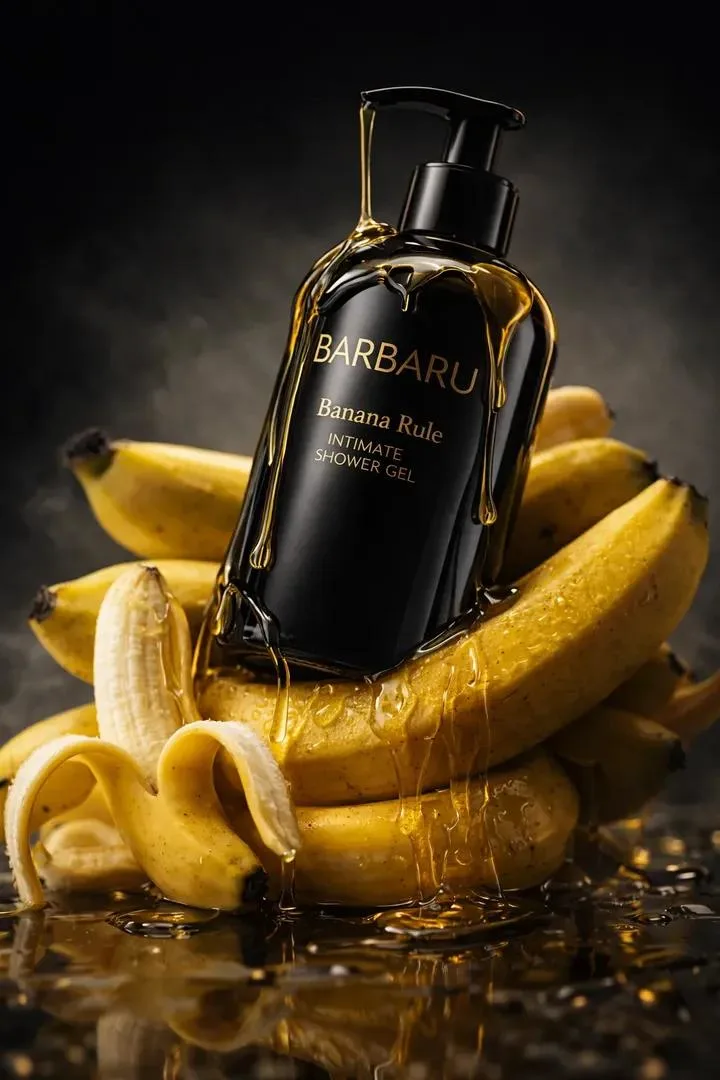
E-commerce product mockups. Founders generate lifestyle shots — the candle on a marble counter, the supplement bottle on a gym bench — without booking a photographer or buying props.
Faceless short-form content. Niche channels in finance, history, and self-improvement rely on a steady stream of original visuals. AI image and animation tools let a single creator publish daily without burning out.
Storyboards and concept art. Agencies and freelance designers use AI to generate fifteen variations of a scene in the time it used to take to produce one. Clients get to choose from real options rather than mood-board approximations.
Personal branding. Coaches, consultants, and authors generate polished headshots and themed cover art for their newsletters without a photo studio. The bar for “looks professional” has effectively dropped to a free account.
How to Choose a Platform Without Wasting Your Time
The market is crowded, and a lot of new tools are essentially thin wrappers over a single model. A few practical filters help:
- Model variety. Tools that route across Nano Banana 2, Flux, Midjourney, and others let you pick the right engine for each job instead of being stuck with one aesthetic.
- Free tier with no watermark on export. If a service watermarks free output, it is a demo, not a tool.
- Output speed. Anything that takes more than 30 seconds for a basic image will quietly destroy your iteration loop.
- Built-in video. Image-only tools force you to upload your output into a second platform. For 2026 workflows, that is friction you no longer need to accept.
Three Habits That Separate Good AI Output From Bad
Most “bad” AI images are not the model’s fault. They are vague prompts.
- Write the brief, not the request. Specify lighting, lens, mood, and material. “Cinematic close-up of a ceramic mug on dark oak, soft window light from the left, shallow depth of field” beats “nice photo of a mug” every time.
- Generate in batches and pick later. AI tools are cheap at scale. Generate twelve options before judging any of them.
- Use reference images for consistency. When a model supports it, upload your actual product or brand photo. The output stays anchored to reality.
The Bottom Line
The most underrated story in 2026 content marketing is not that AI image generation became powerful. It is that it became boring — reliable enough, fast enough, and cheap enough that small operators stopped treating it as a novelty and started shipping with it. The brands that quietly adopted these tools last year are now producing more, testing more, and iterating faster than competitors three times their size. The gap between imagined and published has not entirely closed, but for the first time in a long time, it is no longer a question of budget.
