

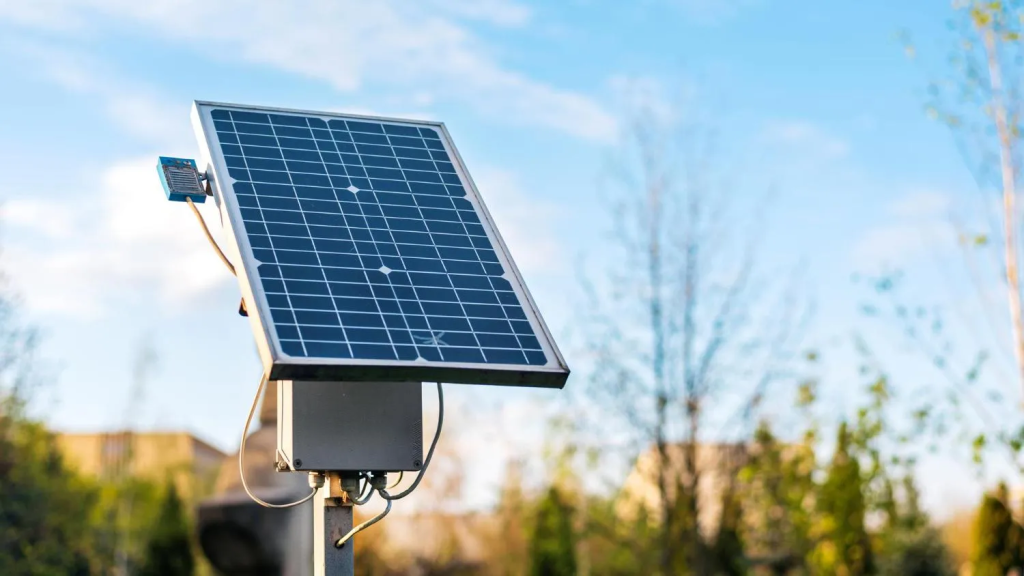
As fuel and electricity prices continue to climb, more people are looking for affordable and reliable ways to pump water. That’s why solar-powered water pumps are becoming increasingly popular, especially among farmers, rural property owners, and people living off-grid.
But many buyers still ask the same question before switching: Are solar water pumps really worth the investment? Let’s find out.
The upfront cost can feel expensive
One of the biggest reasons people hesitate is the initial price. A solar-powered water pump system usually includes solar panels, the pump, a controller or inverter, mounting equipment, and installation.
Depending on the size of the system, costs can range from a small setup for a garden or livestock area to a much larger investment for full-scale farm irrigation.
Compared to diesel or electric pumps, solar systems often seem expensive at first glance. But looking only at the purchase price doesn’t give the full picture.
The long-term savings add up
The biggest advantage of a solar water pump is simple: sunlight is free.
Once the system is installed, there are very few operating costs. You don’t have to keep buying fuel, and you’re much less dependent on rising electricity prices.
For farmers or anyone pumping water daily, those savings can become substantial over time. Many people recover their initial investment within a few years, especially in areas where fuel costs are high or electricity is unreliable.
After that, the system continues saving money year after year.
Less maintenance, less stress
Traditional diesel pumps need regular maintenance. There’s fuel to manage, oil changes, engine servicing, and unexpected repairs.
Solar water pumps are much simpler.
Most systems require very little upkeep beyond occasional cleaning of the solar panels and routine inspections. Since there are fewer moving parts, there’s generally less wear and tear compared to fuel-powered systems.
That simplicity is a major benefit for people who want a reliable system without constant maintenance headaches.
Great for remote areas
Did you know that solar water pumps are especially useful in places where access to electricity is limited or unreliable?
For farms, livestock operations, and rural properties located far from power lines, solar pumping systems can provide a dependable water supply without needing expensive grid connections or fuel deliveries.
This is one reason solar pumps have become so popular in agricultural communities around the world. They give people more independence and reduce reliance on unstable energy sources.
Better for the environment
Another major advantage is sustainability.
Unlike diesel pumps, solar-powered systems don’t produce direct emissions or rely on fossil fuels. They use renewable energy from the sun, making them a cleaner option for irrigation, water supply, and agriculture.
For many businesses and farmers trying to reduce environmental impact, switching to solar is also a step toward more sustainable operations.
There are still some drawbacks
Of course, solar water pumps aren’t perfect for every situation.
Because they rely on sunlight, performance can drop during cloudy weather or in areas with limited sun exposure. Some systems use battery storage to solve this problem, but batteries add extra cost.
The upfront investment can also be difficult for smaller farms or households with limited budgets, even if the long-term savings are strong.
And in some areas, security can be a concern since solar panels may attract theft if they’re installed in isolated locations.
So, are they worth it?
For many people, absolutely.
If you regularly pump water and plan to use the system for years, solar water pumps can become a smart long-term investment. The lower operating costs, reduced maintenance, and energy independence often outweigh the higher initial price.
They make the most sense for farms, rural properties, off-grid homes, livestock operations, and areas with high fuel or electricity costs.
As solar technology becomes more affordable and efficient, these systems are becoming more practical for a wider range of users.
Final Thoughts
Solar water pumps are no longer just a niche technology. They’ve become a realistic and cost-effective solution for people who want reliable water access without depending heavily on fuel or expensive electricity.
While the upfront cost may seem high at first, the long-term savings and convenience can make the investment worthwhile.
For many farmers and property owners, switching to solar isn’t just about saving money. It’s about gaining reliability, independence, and peace of mind for the future.
