

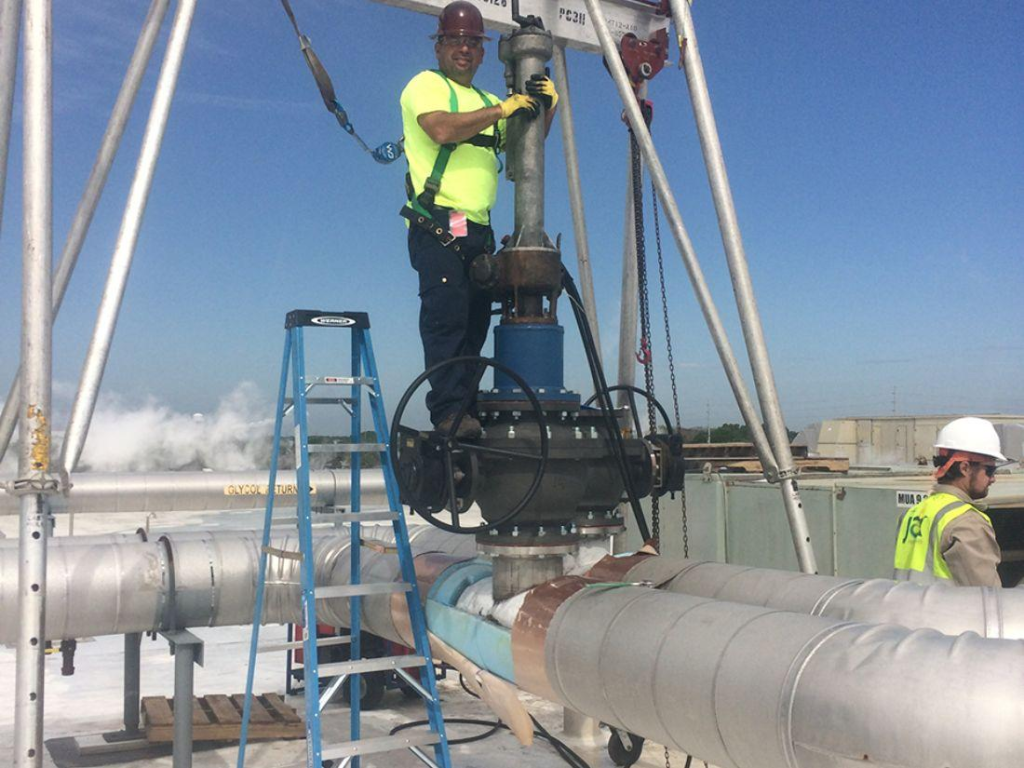
Keeping pipelines running is one of the biggest challenges in industries like oil and gas, water supply, and manufacturing. Shutting down a pipeline to carry out repairs or add new connections costs money and causes delays. That is why a technique called hot tapping has become so popular, and why more businesses across the UK are starting to rely on it.
What Is Hot Tapping?
Hot tapping is a method that lets engineers make a connection to a live pipeline without stopping the flow of whatever is running through it. Whether that is water, gas, oil, or a chemical, the process keeps everything moving while the work is done.
In simple terms, a specialist fitting is attached to the outside of the pipe. A cutting tool is then used to drill through the pipe wall from inside that fitting, so nothing leaks out. The result is a new branch connection or access point, all while the pipeline stays fully pressurised and in service.
It sounds complicated, but it has become a reliable, well-tested solution used around the world.
Why Industries Are Choosing It
The main reason businesses choose this method is cost. Shutting down a pipeline does not just mean paying for repairs. It means lost production, disruption to customers, and sometimes regulatory penalties. Hot tapping removes all of that.
For water companies, it means new connections can be added to a distribution network without cutting off supply to homes and businesses. For petrochemical plants, it means modifications can happen during normal operations. For manufacturing facilities, it avoids the need to drain and purge entire systems just to add a single branch.
Businesses looking for hot tapping uk services are generally driven by one thing: they cannot afford the downtime that comes with traditional methods.
Is It Safe?
Safety is a fair concern. Working on a pressurised pipeline carries real risks if it is not done properly. This is why hot tapping is always carried out by trained engineers who follow strict procedures. Equipment is pressure-tested before use, and the process is carried out in line with industry standards and UK health and safety regulations.
The risks of doing it incorrectly are serious, which is exactly why this work is never a DIY job. Reputable specialists carry out thorough assessments before starting, checking pipe condition, material, pressure levels, and the substance running through the system.
Where Is It Used?
Hot tapping is used across a wide range of sectors. Some of the most common include:
- Water and wastewater utilities
- Oil and gas pipelines
- Industrial and chemical plants
- District heating networks
- Pharmaceutical and food processing facilities
In each case, the goal is the same: make a modification or connection without interrupting service.
What to Look for in a Provider
Not all pipeline specialists are equal. When choosing a provider, it is worth checking their track record, the range of pipe materials and sizes they can work with, and whether they carry the right insurance and accreditations.
Businesses in the UK searching for hot tapping uk services should also look for companies with experience across different sectors, since requirements vary significantly between, say, a water main and a high-pressure gas line.
The Bottom Line
Hot tapping is a practical, cost-saving solution for any business that relies on pipelines and cannot afford to take them offline. As industries face more pressure to reduce downtime and cut operational costs, its use is only likely to grow.
