

You walk into the living room to find a wet spot on the carpet—again. Your Maine Coon sits nearby, looking unbothered, and you’re left wondering what went wrong. The litter box is clean, the litter is fresh, so why is your gentle giant refusing to use it? For Maine Coons, one of the largest and most intelligent domestic cat breeds, the answer often comes down to something surprisingly simple: privacy. These magnificent cats need more than just a functional box in a corner. They require a bathroom environment that feels secure, spacious, and undisturbed. When those conditions aren’t met, even the most well-trained Maine Coon will find alternatives you won’t appreciate. This article dives into the unique litter box needs of Maine Coons, exploring how privacy, placement, cleanliness, and routine work together to keep your cat consistently using its designated spot. So ask yourself honestly—is your Maine Coon’s litter box truly private enough?
Why Privacy is Paramount for Your Maine Coon’s Litter Box Routine
Cats are descendants of solitary hunters who survived by staying invisible to predators—especially during their most vulnerable moments. Elimination is one of those moments. In the wild, a cat caught in the open while relieving itself is exposed and defenseless, which is why the instinct to seek seclusion runs deep in their DNA. Your Maine Coon, despite generations of domestication and a famously sociable personality, carries this same hardwired need for concealment when nature calls.
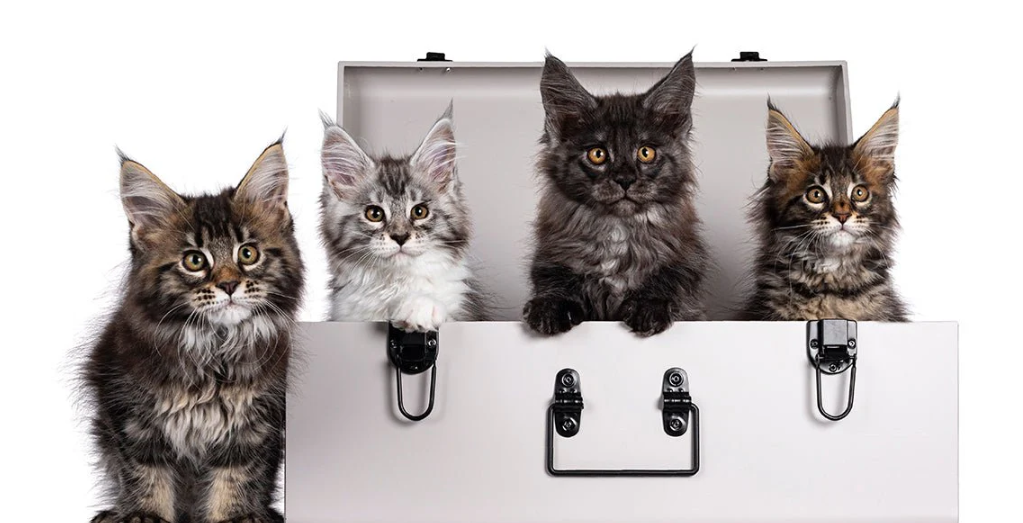
What makes Maine Coons particularly sensitive to this issue is their intelligence. They’re acutely aware of their surroundings, and they notice disruptions that other breeds might ignore—a child running past, a washing machine kicking into spin cycle, or another pet lingering too close. When a Maine Coon feels observed or startled during elimination, the experience registers as a threat. Over time, that association builds. The box itself becomes a place of anxiety rather than relief, and your cat begins seeking out quieter, more protected spots—behind the couch, inside a closet, or on that carpet in the living room.
This isn’t spite or stubbornness. It’s a stress response. Chronic litter box avoidance driven by insufficient privacy can escalate into urinary issues, marking behavior, and generalized anxiety that affects your cat’s overall well-being. The solution starts with understanding that privacy isn’t a luxury for your Maine Coon—it’s the foundation upon which a reliable, lifelong litter box routine is built. Get the privacy right, and everything else becomes dramatically easier to manage.
Choosing the Right Litter Box for Maine Coon Cat Comfort and Privacy
Standard litter boxes are designed for average-sized cats weighing eight to ten pounds. Your Maine Coon can easily reach eighteen to twenty-five pounds with a body length stretching over three feet from nose to tail tip. Forcing a cat this size into a conventional box is like asking an adult to use a toddler’s toilet—technically possible, but deeply uncomfortable. When a Maine Coon can’t turn around, dig properly, or position itself without hanging over the edges, it won’t tolerate the box for long. Size is the first and most critical factor: look for jumbo or extra-large boxes with interior dimensions of at least 24 inches long and 18 inches wide, though bigger is always better for this breed.
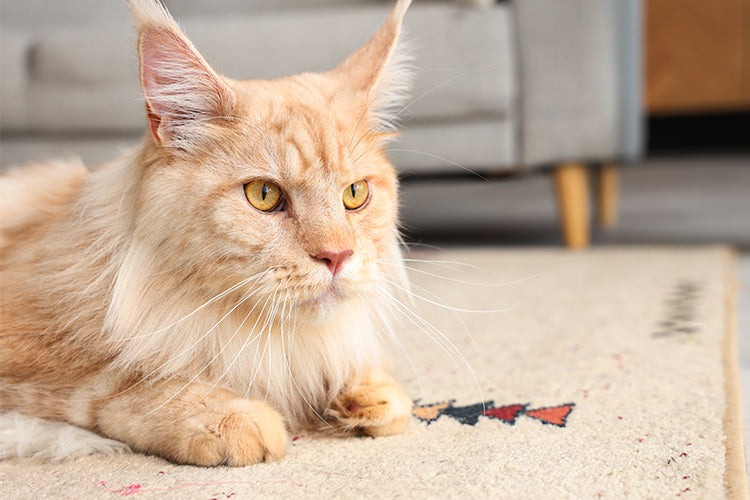
The open versus covered debate deserves careful consideration. Covered or hooded boxes offer obvious privacy advantages, creating a den-like enclosure that blocks visual exposure from all sides. However, they come with trade-offs. Hoods trap odor inside, which can repel a cat with a sensitive nose. They also restrict airflow and can feel cramped for a Maine Coon’s large frame. If you choose a hooded box, ensure the interior still provides ample room and commit to more frequent cleaning to manage odor buildup. Top-entry boxes present an excellent alternative—they prevent litter scatter, block the view of the cat from all lateral angles, and give your Maine Coon a sense of entering a protected space. The caveat is that older or arthritic cats may struggle with the climbing motion required.
Material matters for longevity. Smooth, non-porous plastic resists odor absorption and cleans easily, while textured or scratched surfaces harbor bacteria over time regardless of how thoroughly you scrub.
Solution Steps: Selecting and Setting Up the Ideal Box
Start by measuring your Maine Coon from nose to the base of the tail, then add at least six inches to determine your minimum box length. Next, prioritize oversized dimensions—if you’re torn between two sizes, always choose the larger one. Then select your model type based on your cat’s age and mobility: a covered box for cats that seem stressed by open exposure, a top-entry design for active cats that kick litter everywhere, or a high-sided open box for seniors who need easy access but still benefit from visual barriers on three sides. Before finalizing placement, test that your cat can enter and exit without squeezing, hesitating, or needing to jump at an awkward angle. Finally, position the box in your pre-selected private location and leave it unlidded or with the door flap removed for the first few days, allowing your cat to explore and accept the new setup without feeling trapped inside an unfamiliar enclosure.
Strategic Placement: The Cornerstone of Litter Box Convenience and Privacy
Finding the right spot for your Maine Coon’s litter box requires balancing two competing needs: the location must be quiet and secluded enough to feel safe, yet accessible enough that your cat never has to navigate obstacles or cross hostile territory to reach it. Think of it as a Goldilocks Zone—not buried in a dark basement corner your cat rarely visits, and not sitting exposed in the hallway where every family member passes twelve times a day. Spare bathrooms, low-traffic corners of finished basements, quiet utility rooms, or dedicated nooks in bedrooms all work well, provided your cat can reach them without hesitation at any hour.
Certain locations actively sabotage your efforts. Placing a box next to a washing machine or dryer means your cat will eventually be mid-elimination when the spin cycle erupts—one traumatic experience is often enough to create permanent avoidance. Similarly, positioning the box near food and water bowls violates a cat’s instinct to separate eating areas from elimination sites. Tight closets with doors that can swing shut trapping the cat inside are equally problematic, as is any spot where another household pet can ambush or corner your Maine Coon during use.
In multi-cat households, territorial dynamics intensify placement decisions. The widely recommended formula is one box per cat plus one extra, distributed across different rooms or floors. A dominant cat can effectively block access to a single litter box location, forcing a subordinate Maine Coon to find alternatives elsewhere in your home. Spreading boxes across multiple quiet zones ensures every cat has uncontested access to at least one private option, reducing intercat tension and eliminating resource guarding as a cause of accidents.
Solution Steps: Auditing and Optimizing Placement
Begin by mapping every current litter box location in your home on a simple floor plan, noting nearby noise sources, traffic patterns, and other pet territories. Next, observe your Maine Coon’s behavior around each box over several days—does it approach confidently, or does it hesitate, scan the room, or abandon the trip entirely? Identify any high-stress factors: proximity to appliances, exposure to foot traffic, competition from other pets, or doors that could block escape routes. Then scout two or three alternative locations that offer quiet surroundings, easy access from your cat’s preferred resting areas, and at least two exit paths so your cat never feels cornered. If relocation is necessary, move the box gradually—shifting it a few feet per day toward the new spot rather than making an abrupt change that confuses your cat. For multi-cat homes, confirm that each cat can reach its designated box without passing through another cat’s claimed territory, adjusting placement until every animal has a stress-free path to privacy.
Essential Litter Box Maintenance for a Hygienic, Private Space
A pristine litter box isn’t just about hygiene—it’s fundamentally about preserving your Maine Coon’s sense of privacy. When waste accumulates, odor intensifies, and that concentrated smell acts as a sensory invasion. Your cat perceives a dirty box the way you might perceive a public restroom with overflowing trash and no ventilation: the space feels compromised, exposed, and unacceptable. Maine Coons, with their keen intelligence and heightened sensitivity, are especially quick to reject a box that doesn’t meet their standards. One skipped cleaning session can be enough to send your cat searching for a fresher alternative.
Daily scooping is non-negotiable—twice daily is the minimum for a Maine Coon, and three times is ideal if you’re home throughout the day. For owners with busy schedules, self-cleaning litter box solutions from brands like Meowant can help maintain that freshness standard between manual scoopings, ensuring your Maine Coon never encounters an unpleasant buildup. Beyond scooping, the entire litter supply needs a complete replacement on a regular cycle, typically every one to two weeks depending on litter type and how many cats share the box. During each full change, scrub the box thoroughly with mild, unscented soap and warm water. Avoid harsh chemicals, bleach, or strongly scented cleaners, as residual fragrances can deter your cat just as effectively as accumulated waste odor. The goal is neutral—a box that smells like nothing at all.
Litter depth and type matter more than most owners realize. Maine Coons are vigorous diggers who appreciate enough substrate to bury their waste completely, which satisfies their instinct to conceal evidence of their presence. Maintain a consistent depth of three to four inches of litter at all times. Unscented, low-dust clumping litter tends to perform best for this breed, as it controls odor naturally without introducing artificial fragrances that overwhelm sensitive noses, and it minimizes respiratory irritation from airborne particles—particularly important given the Maine Coon’s predisposition to certain respiratory sensitivities. Over time, even well-maintained plastic absorbs microscopic amounts of odor into scratches and surface wear. Plan to replace the entire box every twelve to eighteen months to ensure your cat always has a truly fresh foundation.
Solution Steps: Implementing a Flawless Maintenance Routine
Commit to scooping all solid waste and saturated clumps at least twice each day, ideally once in the morning and once in the evening, creating a predictable rhythm your cat can rely on. Every one to two weeks, dump all remaining litter completely, then wash the empty box with warm water and a small amount of fragrance-free dish soap, rinsing thoroughly and drying before refilling. When refilling, add fresh litter to a uniform depth of three to four inches—enough for thorough digging without excess that gets kicked over the sides. Choose a low-dust, unscented clumping formula and stick with it consistently, since abrupt litter changes can trigger avoidance just as readily as poor hygiene. Finally, mark your calendar to replace the physical box itself every twelve to eighteen months, regardless of how clean it appears, because invisible odor absorption in worn plastic undermines every other maintenance effort you make. This routine transforms the litter box from a chore you manage reactively into a proactive system that keeps your Maine Coon confident, comfortable, and consistently returning to the right spot.
Troubleshooting Common Privacy and Routine Issues
When your Maine Coon starts avoiding the litter box entirely, the first question should always be whether something changed in the environment. A new piece of furniture near the box, a houseguest staying in the room where it’s located, or even a shifted schedule that puts more foot traffic in that area during peak elimination times—any of these can shatter a previously stable routine. If avoidance appears suddenly, retrace recent changes and address them before assuming a medical issue, though a veterinary check should always follow persistent refusal.
Scratching at walls or the floor around the box rather than inside it often signals that your Maine Coon feels the space is too confined or that the litter depth is insufficient for proper burial. This behavior is the cat attempting to fulfill its concealment instinct with inadequate resources. Try increasing litter depth, switching to a larger box, or removing a hood that may be restricting movement. If your cat vocalizes before, during, or after using the box—yowling, crying, or producing agitated sounds—this frequently indicates either physical discomfort requiring veterinary attention or acute environmental stress. A cat that cries and then bolts from the box is telling you that location feels unsafe.
For cats that use the box inconsistently, adding a privacy screen or furniture barrier on the exposed side can make an immediate difference. Plug-in calming pheromone diffusers placed near the litter box area help reduce generalized anxiety that compounds privacy concerns. If your Maine Coon has developed a preference for eliminating in a specific unauthorized spot, place a temporary box in that exact location, then gradually migrate it to a more appropriate area once the habit reestablishes. Every behavioral signal your cat gives you is information about what the environment is failing to provide—your job is to decode it and respond with adjustments that restore your cat’s sense of security and control.
Building a Private, Stress-Free Litter Box Setup for Your Maine Coon
Creating the ideal litter box experience for your Maine Coon rests on three interconnected pillars: choosing a generously sized box that offers genuine privacy, placing it in a quiet yet accessible location free from environmental stressors, and maintaining it with the kind of consistency that ensures your cat never encounters an unpleasant surprise. These aren’t separate tasks—they form a unified system where each element reinforces the others. A perfectly placed box that goes unscooped still fails, just as a meticulously clean box in a high-traffic hallway drives avoidance.
Respecting your Maine Coon’s need for privacy during elimination isn’t indulgence—it’s recognizing a fundamental biological requirement that, when met, prevents behavioral problems before they ever begin. A cat that feels safe and comfortable in its bathroom routine is a cat that remains calm, confident, and bonded to the home you share. Take a few minutes today to evaluate your setup through your cat’s eyes. Walk to the box, crouch to their level, and ask yourself whether that space truly feels protected, spacious, and clean. The adjustments you make now will pay dividends in years of reliable, stress-free litter box use and a happier, healthier relationship with your magnificent Maine Coon.
