

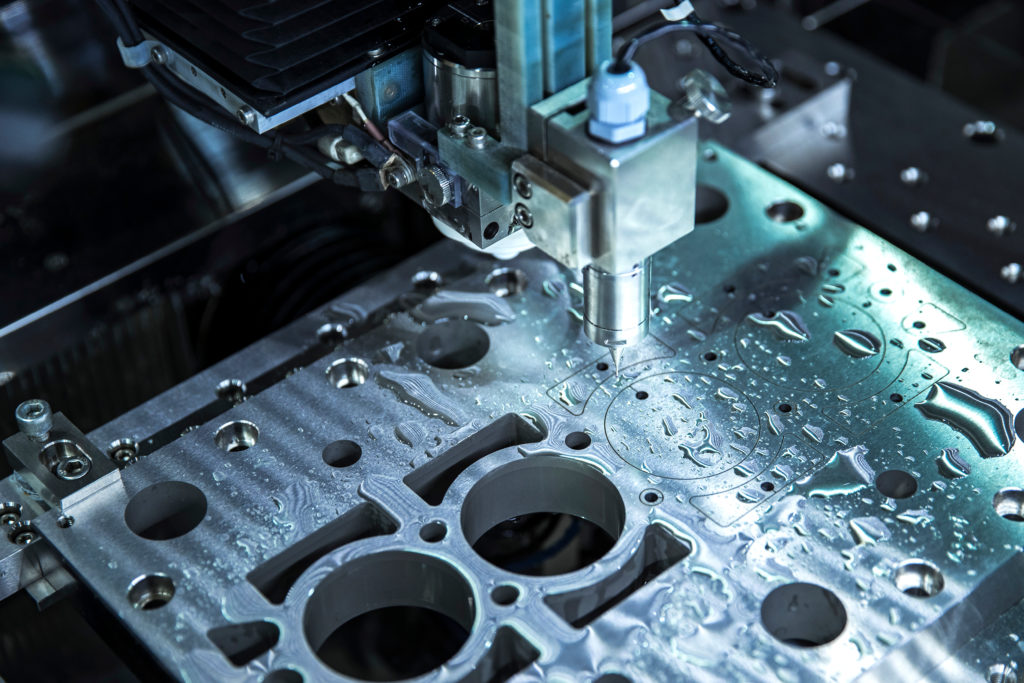
Successful CNC machining projects often begin long before the first cutting operation starts. Good design planning helps manufacturers reduce production challenges, improve part quality, and control manufacturing costs. CNC aluminum machining requires careful consideration of material selection, part geometry, tolerances, and machining requirements. By making better decisions during the design stage, companies can create components that are easier to produce, more reliable in performance, and more efficient for long-term manufacturing.
Why Design Planning Matters in CNC Aluminum Machining
Many machining problems are not caused by equipment limitations but by design decisions made before production begins.
A component may look suitable on a drawing but create difficulties during manufacturing because of:
- Difficult tool access
- Excessive machining operations
- Unnecessary tight tolerances
- Complex features
- Poor material utilization
Early design planning allows engineers and manufacturers to identify potential issues before they affect production.
For aluminum components, this is especially important because the material is widely used for lightweight structures, electronic parts, industrial equipment, and customized mechanical components. Although aluminum is generally easy to machine, the final result still depends on selecting the right machining approach.
A well-designed part can help manufacturers:
- Reduce machining time
- Improve production consistency
- Lower unnecessary costs
- Simplify quality inspection
- Increase manufacturing efficiency
The goal of effective design is not simply to create a complex part. Instead, it is to create a part that performs its intended function while remaining practical to manufacture.
Common Design Factors That Affect Aluminum Machining Results
| Design Factor | Manufacturing Impact |
| Wall thickness | Affects machining stability and part strength |
| Feature placement | Determines tool accessibility |
| Tolerance requirements | Influences production cost and inspection needs |
| Surface requirements | Affects finishing processes |
| Part geometry | Determines machining complexity |
Wall Thickness
Very thin walls may create vibration or deformation during machining. A balanced design helps maintain stability while achieving the required weight reduction.
Feature Location
Holes, pockets, and internal features should be positioned where cutting tools can easily reach them. Poor feature placement may require additional setups or specialized tooling.
Tolerance Requirements
Not every dimension needs extremely tight tolerances. Applying strict tolerances only where functionally necessary can help reduce manufacturing costs while maintaining performance.
Surface Finish
Surface requirements should be considered early because finishing processes may influence machining methods and production planning.
Selecting the Right Aluminum Material for Better Results
Material selection is another important factor in successful CNC production. Different aluminum grades provide different combinations of strength, machinability, corrosion resistance, and surface performance.
Common Aluminum Choices
| Aluminum Grade | Main Characteristics |
| 6061 Aluminum | Balanced strength and machinability |
| 6063 Aluminum | Excellent extrusion performance and finish |
| 7075 Aluminum | Higher strength for demanding applications |
| 5052 Aluminum | Good corrosion resistance and formability |
Choosing the correct alloy helps manufacturers optimize machining performance and final product requirements.
For example, a component requiring complex machining features may benefit from an alloy with good machinability, while a structural part may prioritize strength.
Companies developing precision aluminum components should consider material selection together with design requirements rather than treating them as separate decisions. Having access to aluminum machining knowledge can help engineers make better choices regarding alloy selection, machining methods, and production planning.
Understanding the Relationship Between Design and Production Efficiency
Good design directly affects manufacturing efficiency. A part that is optimized for machining usually requires fewer setups, shorter processing time, and simpler inspection procedures.
Some common design improvements include:
- Reducing unnecessary complex features
- Using standard tool sizes where possible
- Avoiding excessive deep pockets
- Considering machining access during design
- Defining realistic tolerances
These improvements help manufacturers produce CNC machined aluminum parts more efficiently while maintaining the required quality standards.
How Better Design Helps Reduce CNC Machining Costs
Manufacturing costs are influenced by many factors, including material usage, machining time, labor requirements, and inspection processes. A well-planned design can help reduce unnecessary operations and make production more efficient.
Some design decisions that can improve cost control include:
- Simplifying Part Features
- Reducing Unnecessary Material Removal
- Planning for Production Volume
- Improving Assembly Efficiency
These improvements are especially valuable for companies producing aluminum components at different production volumes. A manufacturing-focused design approach helps balance performance requirements with practical production needs.
Combining CNC Machining With Aluminum Extrusion Solutions
While CNC machining is highly flexible, some components can benefit from combining machining with aluminum extrusion. This approach is often used when manufacturers need lightweight structures with customized features.
Aluminum extrusion provides an efficient way to create the basic shape of a component, while CNC machining adds the precise details required for final use.
This combination can provide advantages such as:
- Reduced material waste
- Faster production processes
- Better structural efficiency
- Greater design flexibility
Typical applications include:
- Industrial equipment frames
- Automation components
- Electronic housings
- Support structures
- Custom mechanical assemblies
For example, a manufacturer may use an extruded aluminum profile as the foundation of a structural component and then apply CNC machining to create mounting holes, connection points, or precision surfaces.
This approach allows companies to use each manufacturing process where it provides the most value.
For projects requiring both profile development and machining support, working with suppliers that provide integrated aluminum manufacturing solutions can simplify production management and improve consistency.
Improving Quality Through Better Manufacturing Communication
Successful CNC projects require cooperation between engineers, designers, and manufacturing teams.
Clear communication during the early stages can help identify:
- Potential machining challenges
- Material selection issues
- Tolerance requirements
- Production limitations
Manufacturers can often provide valuable feedback before production begins, helping companies adjust designs to improve manufacturability.
A strong collaboration process reduces the chance of unexpected changes later and helps ensure the final component meets both functional and quality requirements.
For businesses sourcing CNC manufacturing services, selecting a supplier with engineering experience can provide additional value beyond basic machining.
Choosing the Right Manufacturing Approach for Aluminum Parts
Different applications require different manufacturing strategies. CNC machining may be ideal for complex individual components, while extrusion combined with machining may provide better efficiency for profile-based designs.
Choosing the Right Manufacturing Approach
| Consideration | Question to Ask |
| Function | What performance does the component require? |
| Material | Which aluminum grade is most suitable? |
| Design | Is the geometry practical to manufacture? |
| Production | What volume is expected? |
| Quality | Which dimensions require strict control? |
A balanced approach helps companies avoid unnecessary costs while achieving reliable product performance.
Conclusion
Good design planning is one of the most important factors in successful CNC aluminum machining projects. By considering material selection, part geometry, tolerances, and production requirements early, companies can improve quality while reducing manufacturing challenges.
Whether producing standalone CNC components or combining machining with extrusion processes, a practical design approach helps create more efficient and reliable results.
As industries continue to demand lightweight and customized components, companies that focus on better design decisions and stronger manufacturing cooperation will be better prepared to achieve consistent production outcomes.
Frequently Asked Questions
How does design affect CNC aluminum machining?
Design affects machining time, tooling requirements, production costs, and the ability to achieve consistent quality.
What aluminum materials are commonly used for CNC machining?
6061, 6063, 7075, and 5052 aluminum are commonly used depending on strength, machinability, and application requirements.
Can CNC machining and aluminum extrusion be combined?
Yes. Extrusion can create the basic profile shape, while CNC machining adds precise features needed for assembly and performance.
How can companies reduce CNC machining costs?
Companies can reduce costs through better design planning, realistic tolerances, efficient material use, and selecting the right manufacturing process.
Why is supplier communication important for CNC projects?
Good communication helps identify potential manufacturing issues early and improves the final production outcome.
