

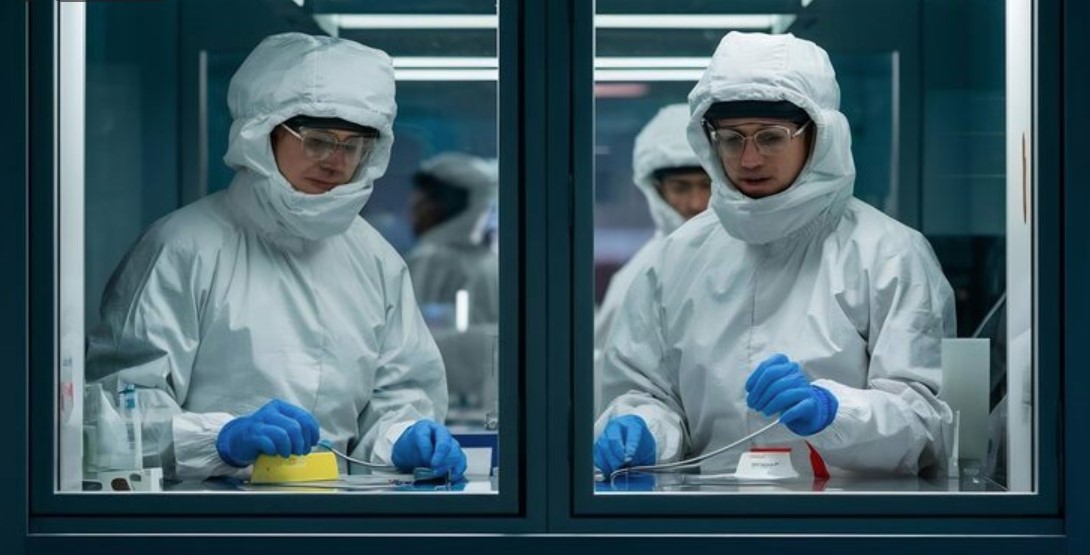
Protective eyewear is an important part of workplace safety, but not all goggles are designed for the same environment. Cleanrooms and industrial workplaces can have very different requirements, particularly when it comes to contamination control, chemical exposure, impact protection, and compatibility with other personal protective equipment (PPE).
Understanding the difference between cleanroom goggles vs industrial safety goggles can help employers and workers select eyewear that matches the risks and operational requirements of their environment.
What Are Cleanroom Goggles?
Cleanroom goggles are protective eyewear designed for controlled environments where contamination must be carefully managed.
Cleanrooms are used in industries such as:
- Pharmaceuticals
- Biotechnology
- Medical devices
- Semiconductor manufacturing
- Electronics
- Aerospace
- Research laboratories
In these environments, protective eyewear may need to provide eye protection while also supporting contamination-control requirements.
The materials, construction, cleaning requirements, and overall design of cleanroom eyewear may therefore differ from conventional industrial protective equipment.
What Are Industrial Safety Goggles?
Industrial safety goggles are designed primarily to protect workers from workplace hazards such as flying particles, dust, chemical splashes, and other forms of exposure.
They are commonly used in:
- Manufacturing
- Construction
- Chemical processing
- Automotive facilities
- Workshops
- Maintenance operations
- Industrial laboratories
The required type of goggle depends on the hazards present in the workplace.
Industrial goggles may prioritize impact resistance, splash protection, chemical resistance, ventilation, or other characteristics depending on their intended application.
Cleanroom Goggles vs. Industrial Safety Goggles: Key Differences
Although both products protect the eyes, their design priorities can differ significantly.
| Feature | Cleanroom Goggles | Industrial Safety Goggles |
| Primary purpose | Eye protection and contamination control | Protection against workplace hazards |
| Typical environment | Controlled environments | Industrial workplaces |
| Contamination requirements | Often a major consideration | Usually secondary to hazard protection |
| Common applications | Pharma, biotech, medical devices, electronics | Manufacturing, construction, chemical processing |
| Cleaning requirements | May require specialized cleaning procedures | Depends on application |
| Material considerations | May prioritize low particle shedding and cleanability | Often focused on durability and hazard resistance |
| PPE compatibility | Designed to work with cleanroom garments and other PPE | Designed for general industrial PPE |
| Key selection factors | Contamination control, fit, cleanability, visibility | Hazard protection, impact/splash resistance, fit |
The exact specifications vary by product, so employers should always review manufacturer documentation and applicable standards before selecting protective eyewear.
Why Contamination Control Matters in Cleanrooms
One of the biggest differences between a cleanroom and a conventional industrial environment is the importance of controlling contamination.
In a cleanroom, particles generated by people, equipment, materials, or PPE can potentially affect manufacturing processes or product quality.
As a result, cleanroom eye protection needs to be considered as part of the facility’s broader contamination-control strategy.
The eyewear should be compatible with established cleaning, gowning, handling, and entry procedures. Organizations should also consider how goggles are stored, cleaned, disinfected, and transported within the facility.
For a broader look at protective equipment used in controlled environments, Klaritex’s cleanroom personal protective equipment guide explains how different PPE components contribute to cleanroom protection and contamination control.
How Industrial Environments Differ
Industrial workplaces often place greater emphasis on protecting workers from physical and chemical hazards.
Depending on the application, employees may encounter:
- Flying particles
- Dust
- Chemical splashes
- Liquid droplets
- Sparks
- Debris
- Aerosols
In these environments, the primary objective of protective goggles is usually to reduce the risk of eye injury from the identified workplace hazards.
This does not mean contamination is irrelevant. Rather, the priority and applicable requirements can differ from those of a highly controlled cleanroom.
Comparing Lens Materials
Lens material is an important factor in any protective goggles comparison.
Protective eyewear may use materials such as polycarbonate or other specialized plastics. The appropriate choice depends on factors including:
- Impact resistance
- Chemical compatibility
- Optical clarity
- Weight
- Scratch resistance
- Environmental conditions
For cleanroom applications, organizations may also need to consider whether the lens and frame materials are compatible with the facility’s cleaning and disinfection procedures.
Fit and Comfort
Both cleanroom and industrial goggles need to fit properly.
Poorly fitted eyewear can move during work, create pressure points, reduce visibility, or interfere with other PPE.
For cleanroom workers, fit can be particularly important because goggles may need to be worn with:
- Cleanroom hoods
- Masks
- Coveralls
- Gloves
- Respirators
- Face shields
Industrial workers may similarly need to wear goggles with helmets, respirators, hearing protection, or other protective equipment.
In both environments, comfort matters because employees are more likely to wear protective eyewear consistently when it remains secure and comfortable.
Ventilation and Fogging
Fogging can affect both cleanroom and industrial workers, particularly during extended use or when there are temperature and humidity differences.
Anti-fog coatings and ventilation features can help maintain visibility, but these features must be evaluated in the context of the intended application.
For example, ventilation may be beneficial in some industrial environments, while a controlled environment may require a different approach based on contamination and exposure requirements.
Cleaning and Maintenance
Cleaning requirements are another important consideration when comparing cleanroom and industrial goggles.
In a conventional industrial environment, goggles may be cleaned according to the manufacturer’s standard maintenance instructions.
In a cleanroom, cleaning and disinfection may be integrated into the facility’s contamination-control procedures.
Workers should follow manufacturer instructions and facility-specific protocols to avoid damaging lenses, coatings, seals, or frames.
Regular inspection should also identify:
- Scratches
- Cracks
- Damaged straps
- Deteriorated seals
- Reduced visibility
- Other signs of wear
Which Goggles Should You Choose?
The choice between cleanroom and industrial goggles should be based on the actual environment and hazards rather than the product category alone.
Choose Cleanroom Goggles When:
- Contamination control is a major requirement
- Workers operate inside classified cleanrooms
- PPE must integrate with cleanroom garments
- Cleaning and disinfection are tightly controlled
- Product contamination could affect manufacturing quality
Choose Industrial Safety Goggles When:
- Workers face impact or particle hazards
- Chemical splash protection is required
- Employees work in conventional industrial environments
- The primary concern is workplace eye protection
- The goggles need to meet specific industrial hazard requirements
In some facilities, workers may need eyewear that addresses both contamination-control and occupational safety requirements. The appropriate product should therefore be selected based on a documented hazard and operational assessment.
Why a One-Size-Fits-All Approach Doesn’t Work
A common mistake is assuming that one type of protective eyewear can be used across every department.
A pharmaceutical cleanroom, chemical processing facility, manufacturing workshop, and laboratory may all have different requirements.
A proper selection process should evaluate:
- Workplace hazards
- Contamination-control requirements
- Applicable safety standards
- Required protection level
- Fit and comfort
- Lens characteristics
- Cleaning and maintenance
- Compatibility with other PPE
This approach helps organizations choose eyewear that is appropriate for the actual conditions in which it will be used.
Conclusion
The difference between cleanroom goggles vs industrial safety goggles largely comes down to the environments and priorities they are designed to address.
Cleanroom eyewear must consider both eye protection and contamination control, while industrial safety goggles are generally selected around workplace hazards such as impact, dust, chemical splashes, and debris.
However, there is no universal solution. Organizations should evaluate their specific environment, hazards, PPE requirements, cleaning procedures, and applicable standards before making a purchasing decision.
Whether protecting workers in a controlled manufacturing environment or a conventional industrial workplace, selecting appropriate cleanroom eye protection and industrial eyewear is an important part of an effective PPE program.
For specialized cleanroom eyewear, protective goggles, and contamination-control solutions, explore Klaritex.
