

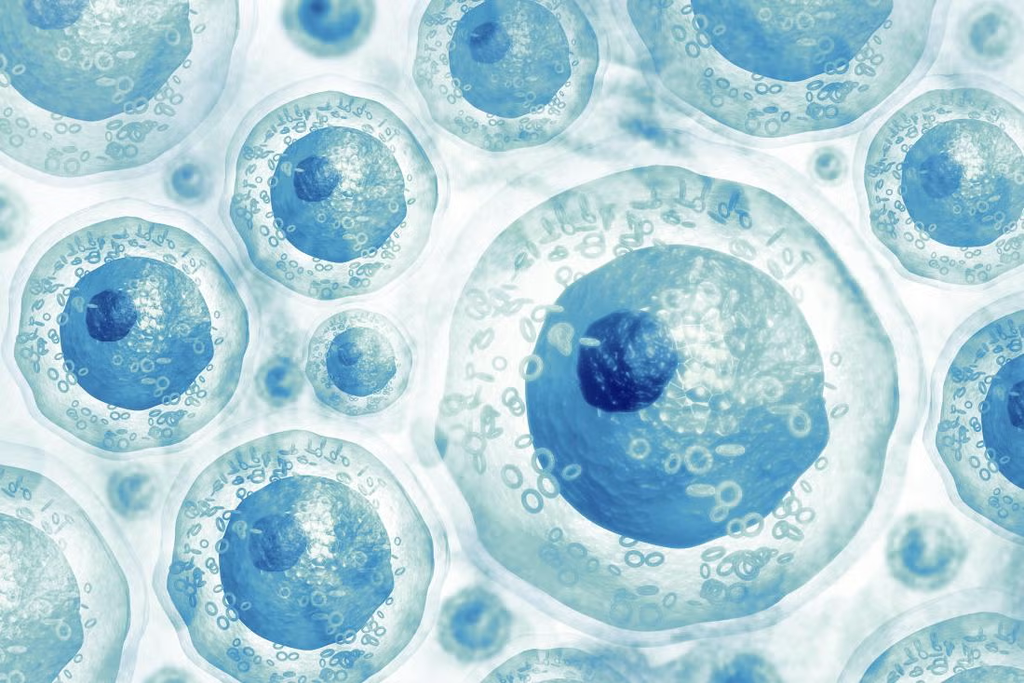
Stem cells are one of the most important areas of modern medical research. These unique cells have the ability to renew themselves and, depending on their type, develop into different specialized cells in the body. Because of these characteristics, stem cells have attracted significant interest in regenerative medicine, tissue repair, disease research, and the development of new therapeutic approaches.
The field of stem cell science is complex and continues to develop. While some stem cell-based treatments are already established for specific medical conditions, many other applications are still being researched. Understanding what stem cells are, how they work, and how they may be used can help people make informed decisions about available medical options.
This article provides an informative overview of stem cells, including their definition, types, functions, potential applications, and role in modern medicine.
What Are Stem Cells?
Stem cells are unspecialized cells that can renew themselves and develop into other types of cells under appropriate biological conditions. Their ability to produce new cells distinguishes them from many mature cells that have already developed specific functions.
Two important characteristics define stem cells:
- Self-renewal: The ability to divide and produce more stem cells.
- Differentiation: The ability to develop into specialized cell types.
Depending on their type, stem cells may have the potential to produce a wide range of specialized cells, such as blood cells, muscle cells, or nerve-related cells.
These properties make stem cells valuable for studying human development, understanding diseases, testing potential medicines, and investigating regenerative treatments.
How Do Stem Cells Work?
The human body contains many specialized cells, each performing a particular function. Stem cells can provide a source of new cells during development and, in certain tissues, contribute to normal maintenance and repair.
When a stem cell divides, the new cells can either remain stem cells or begin developing into specialized cells. This process is influenced by biological signals from the surrounding environment.
For example, blood-forming stem cells in the bone marrow can produce different types of blood cells. This natural ability to generate new cells is an important part of the body’s normal biological processes.
However, not all stem cells have the same capabilities. Their potential depends on their origin and biological characteristics.
Major Types of Stem Cells
Stem cells can be classified in different ways. Some of the most important categories include embryonic stem cells, adult stem cells, and induced pluripotent stem cells.
Embryonic Stem Cells
Embryonic stem cells are obtained from very early-stage embryos. They are pluripotent, meaning they can develop into many different types of cells found in the body.
Because of their broad developmental potential, embryonic stem cells are particularly valuable in laboratory research. Scientists use them to study how cells develop and specialize and to investigate potential applications in regenerative medicine.
Research involving embryonic stem cells also raises ethical considerations, which have influenced how this area of science has developed.
Adult Stem Cells
Adult stem cells, also called somatic stem cells, are found in various tissues after development. Their role can include maintaining and repairing specific tissues.
For example, hematopoietic stem cells in bone marrow can produce different blood and immune cells. Compared with embryonic stem cells, many adult stem cells have a more limited ability to develop into different cell types.
Adult stem cells are important in both medical practice and ongoing research.
Induced Pluripotent Stem Cells
Induced pluripotent stem cells, commonly called iPSCs, are created by reprogramming mature cells in a laboratory.
This process can return mature cells to a pluripotent-like state, allowing researchers to study cell development and disease in ways that were previously difficult.
iPSC technology has become an important tool in biomedical research and may contribute to future approaches in drug development and regenerative medicine.
Why Are Stem Cells Important?
Stem cells are important because they provide researchers with a way to study how cells grow, develop, specialize, and respond to disease.
Their potential applications include:
- Studying human development
- Understanding disease mechanisms
- Developing and testing medicines
- Investigating tissue repair
- Studying genetic disorders
- Exploring regenerative medicine
- Developing potential cell-based treatments
Stem cell research can also help scientists understand what happens when normal cellular processes become disrupted.
Stem Cells and Regenerative Medicine
Regenerative medicine is an evolving field that focuses on restoring or supporting damaged tissues, cells, and biological functions. Stem cells are an important area of research within regenerative medicine.
Some approaches investigate whether cells or cell-derived products can support tissue repair or influence the body’s healing processes. Depending on the treatment being considered, cells may come from sources such as bone marrow, adipose tissue, or other biological materials.
At Liv Hospital, stem cell and regenerative medicine services are presented as part of an approach that evaluates cellular therapies according to individual patient needs. The hospital provides information about stem cell applications and related treatment approaches through its dedicated Stem Cell services.
It is important to recognize that regenerative medicine is a broad field. Different therapies use different types of cells and techniques, and their evidence, benefits, and risks can vary significantly.
What Is Stem Cell Therapy?
Stem cell therapy generally refers to medical treatment approaches that use stem cells or their derivatives with the goal of treating or managing certain medical conditions.
The exact procedure can vary depending on the type of cells used, the patient’s condition, and the purpose of treatment. In some approaches, cells may be collected from a patient’s own body, processed, and then administered as part of a treatment plan.
A patient’s suitability for a particular cellular therapy should be determined through professional medical assessment. Doctors may consider the patient’s diagnosis, medical history, overall health, and treatment objectives before recommending a specific approach.
Potential Applications of Stem Cells
Scientists are investigating stem cells for a wide variety of potential medical applications.
Tissue Repair
Researchers are studying whether stem cells can contribute to the repair or regeneration of damaged tissues. This includes research involving bone, cartilage, muscle, and other tissues.
Blood Disorders
Hematopoietic stem cell transplantation is an established medical treatment for certain blood-related cancers and disorders. Stem cells can help restore the blood-forming system following intensive treatment in appropriate patients.
Disease Research
Stem cells provide researchers with models for studying how diseases develop. Scientists can use certain stem cell technologies to investigate cellular changes associated with disease.
Drug Development
Stem-cell-based laboratory models may help researchers study how cells respond to potential medicines. This can provide useful information during drug development and testing.
Regenerative Medicine
Researchers continue to investigate how different cell-based approaches could support the repair or replacement of damaged tissues.
What Are the Benefits of Stem Cell Research?
Stem cell research has several potential benefits for medical science. It can provide scientists with better ways to understand cell biology and human development.
Stem cells can also help researchers investigate diseases at the cellular level. This may support the development of new diagnostic methods and treatments.
Another important area is personalized research. For example, induced pluripotent stem cells can potentially be generated from a person’s own cells, allowing researchers to study certain diseases using cells with the individual’s genetic background.
However, research findings do not automatically mean that a treatment is ready for routine clinical use. Scientific evidence must be carefully evaluated before a therapy can be considered established.
Are All Stem Cell Treatments Proven?
No. This is an important point when considering stem cell treatments.
Some stem cell therapies have established medical uses, while many other applications are still being studied in clinical trials or laboratory research. The effectiveness and safety of a treatment can depend on the specific type of cells, the condition being treated, the method of administration, and other factors.
Patients should be cautious about claims that promise guaranteed results or suggest that stem cells can treat every disease. A qualified medical professional can help explain whether a particular therapy has sufficient scientific and clinical evidence.
How Are Stem Cell Treatments Evaluated?
Before a new medical treatment becomes widely accepted, researchers generally study its safety and effectiveness through scientific and clinical research.
Clinical studies may examine:
- Safety and possible side effects
- Appropriate dosage or cell quantity
- How the cells behave after administration
- Short- and long-term outcomes
- Effectiveness for the specific condition
- Potential risks and complications
This process helps medical professionals determine whether a treatment provides meaningful benefits compared with its potential risks.
Stem Cell Care at Liv Hospital
For people seeking information about cellular medicine, Liv Hospital provides specialized information about stem cell treatments and regenerative medicine.
The Liv Hospital Stem Cell service provides information about different cellular treatment approaches and the role of stem cells in modern medicine. Treatment decisions can depend on the patient’s specific condition, medical history, and clinical assessment.
A personalized evaluation is important because there is no single stem cell treatment that is suitable for every person or every medical condition.
Frequently Asked Questions About Stem Cells
What is a stem cell?
A stem cell is an unspecialized cell that can self-renew and, depending on its type, develop into specialized cells.
Where are stem cells found?
Stem cells can be found in different biological sources. Adult stem cells exist in various tissues, while embryonic stem cells come from early-stage embryos. Scientists can also create induced pluripotent stem cells from mature cells in the laboratory.
Can stem cells become any type of cell?
Not all stem cells can develop into every cell type. Their differentiation potential depends on the category of stem cell. Pluripotent stem cells have a broader potential than many adult stem cells.
Is stem cell therapy safe?
Safety depends on the specific treatment, cell type, method used, and medical condition. Some stem cell treatments are established, while others remain experimental. Patients should discuss potential benefits and risks with a qualified healthcare professional.
Is stem cell therapy suitable for everyone?
No. Suitability depends on the patient’s medical condition, health status, treatment goals, and the specific cellular therapy being considered.
Conclusion
Stem cells are unique cells with the ability to self-renew and, depending on their type, develop into specialized cells. These characteristics make them important in normal biological processes as well as medical research.
From adult and embryonic stem cells to induced pluripotent stem cells, different types have different biological properties and potential uses. Stem cell research is contributing to a better understanding of human development, disease, drug development, and regenerative medicine.
Although the field continues to advance, not every proposed stem cell treatment has been proven effective or appropriate for clinical use. Patients considering cellular therapy should seek professional medical advice and understand the evidence, potential benefits, and possible risks associated with a specific treatment.
For more information about stem cell medicine and related services, visit Liv Hospital and explore its dedicated Stem Cell services.
