

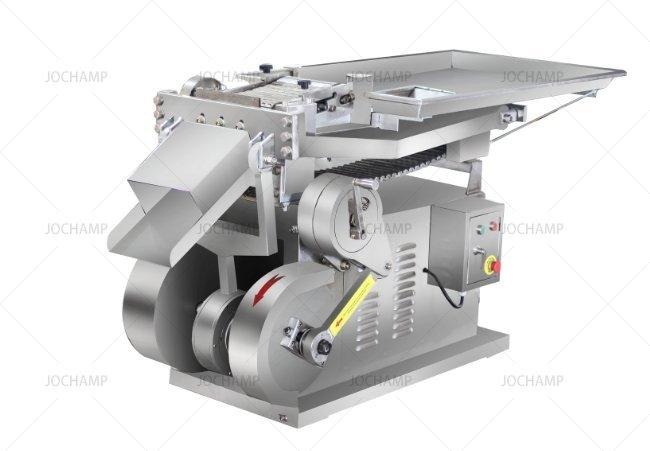
A Tobacco Cutting Machine is only as good as the people running it. The same model can produce flawless, uniform cut in one factory and a stream of complaints in another — the difference is almost always operating discipline. This is the practical guide to daily setup, smart operation, and the maintenance rhythm that keeps a cutter performing like new for years.
Daily Setup: Fifteen Minutes That Prevent Eight Hours of Trouble
Every shift should start the same way. Inspect blade edges visually and by touch — nicks or dull spots mean sharpening before production, not after the first bad batch. Check that guards and interlocks are in place and functional; bypassed safety hardware is how injuries happen. Verify feed mechanisms are clean and moving freely, and confirm dust extraction is running — tobacco dust is both a quality contaminant and a fire risk. Finally, run a short test batch and check the cut against your standard before committing to full production. Operators who skip this ritual inevitably discover problems at the worst possible moment.
Dialing In the Cut
Getting the target cut width is a balance of three variables: blade gap or configuration, feed rate, and leaf condition. Change one at a time. New operators tend to chase problems by adjusting everything at once, which guarantees confusion. Keep a logbook at the machine — settings, leaf batch, moisture readings, and resulting cut quality. Within weeks this becomes an invaluable reference: when a new leaf batch behaves differently, the logbook tells you exactly what worked last time. Experienced crews running a Tobacco Cutting Machine treat the logbook as seriously as the machine itself.
Moisture: The Invisible Control Knob
If cut quality drifts and the blades are sharp, moisture is the culprit nine times out of ten. Leaf that is too dry shatters into fines; leaf that is too wet smears and clogs. Most shisha operations target a narrow moisture band, and the disciplined ones measure it with a meter rather than guessing. Environmental swings — a humid morning after a dry week — change leaf behavior enough to matter. Good operators check moisture at shift start and after any long stoppage, adjusting conditioning or feed rate to compensate. This single habit separates consistent producers from erratic ones.
Never fight bad leaf with machine settings alone. If a batch is wildly off-spec on moisture, fix the conditioning first — a Tobacco Cutting Machine can only cut what it is fed.
The Maintenance Rhythm
Preventive maintenance beats reactive repair by an embarrassing margin. Daily: blow out dust, wipe down product-contact surfaces, check blade condition. Weekly: inspect belts, chains, and bearings for wear; verify safety interlocks; check lubrication points. Monthly: measure blade sharpness properly and sharpen or rotate as needed; inspect screens and classifiers for damage; review the logbook for drift trends. Annually: full teardown inspection, replace wear parts proactively, recalibrate sensors and controls. Machines on this schedule routinely run a decade; machines on the “fix it when it breaks” schedule rarely see five good years.
Troubleshooting the Usual Suspects
Excess fines? Blades are dull, or the leaf is too dry — check both before touching settings. Uneven cut width? Feed is inconsistent, or blades are misaligned after a changeover. Machine vibrating more than usual? Something is loose, unbalanced, or a bearing is failing — stop and find it before it finds you. Clogging at the discharge? Moisture too high, or the downstream conveyor is backed up. Nine out of ten problems on a Tobacco Cutting Machine trace back to blades, moisture, or feed — work through those three systematically and you will solve most issues in minutes, not hours.
Treat the machine like the precision instrument it is: disciplined setup, logged settings, moisture awareness, and scheduled maintenance. Do that, and it will repay you with years of cut so consistent your customers never think about it — which is exactly the point.
Training Your Operators
The best-maintained Tobacco Cutting Machine still underperforms with untrained operators. Build a simple certification: every operator demonstrates blade inspection, a full changeover, moisture checking, and the daily startup ritual before working solo. Pair new hires with veterans for at least two weeks — the tricks of reading leaf behavior and hearing early bearing wear are passed person to person, not learned from manuals.
Cross-train more operators than you think you need. When only one person knows the Tobacco Cutting Machine, every sick day becomes a production crisis. Three competent operators per shift pattern gives you resilience, and the friendly competition between shifts over yield numbers quietly drives performance up. Invest in people at the same rate you invest in steel.
Document everything the crew learns. When an operator discovers the ideal settings for a tricky leaf batch on your Tobacco Cutting Machine, that knowledge should go in the logbook — not retire when they do. The best-run cutting rooms maintain a living playbook: settings per blend, seasonal adjustments, and lessons from every breakdown. A Tobacco Cutting Machine rewards the crews who write things down, because knowledge captured is downtime prevented.
