

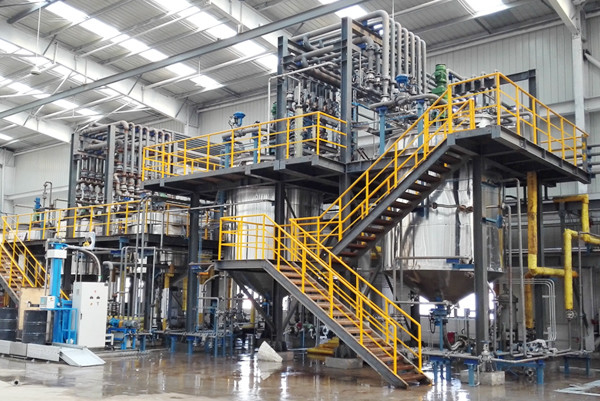
In the world of manufacturing and production, blending processes play a pivotal role in ensuring product consistency, quality, and efficiency. Two primary methods dominate the industry: continuous flow blending and batch blending. Each has its own unique advantages, challenges, and applications, making the choice between the two critical for achieving operational goals. In this guide, we’ll explore the differences between these blending methods, their respective benefits, and how to determine the right one for your operation.
What is Continuous Flow Blending?
Continuous flow blending is a method in which raw materials are continuously introduced and mixed within a system to produce a consistent output. This approach is often used in high-volume production settings where the demand for uniformity and efficiency is paramount.
Key Characteristics:
- Non-stop Operation: The blending process runs without interruption, ideal for meeting high-demand production schedules.
- Real-time Adjustments: Operators can make on-the-fly adjustments to ensure consistency in the output.
- Automation-Friendly: Continuous flow systems are often automated, reducing the need for manual intervention.
What is Batch Blending?
Batch blending involves mixing a specific quantity of ingredients in a controlled environment to produce a defined volume of product. The process is completed one batch at a time, with each batch requiring setup, blending, and cleanup before the next can begin.
Key Characteristics:
- Defined Quantities: Batch blending produces precise quantities, making it ideal for small to medium-scale operations.
- Customizable: Each batch can be tailored to specific formulations or recipes.
- Flexibility: Operators can easily change materials or formulations between batches.
Comparing Continuous Flow Blending and Batch Blending
To better understand the strengths and weaknesses of each method, let’s break down the comparison based on key operational factors:
1. Production Volume
- Continuous Flow Blending: Suited for high-volume production where consistent, large-scale output is required. Industries like oil refining, pharmaceuticals, and food processing often utilize this method.
- Batch Blending: Best for low to medium production volumes or for scenarios where customization is key, such as specialty chemical production or boutique food manufacturing.
2. Consistency and Precision
- Continuous Flow Blending: Ensures high consistency as materials are blended in real-time with minimal variation.
- Batch Blending: Offers excellent precision but may have slight variations between batches if strict controls are not maintained.
3. Flexibility
- Continuous Flow Blending: Less flexible, as changing formulations or materials often requires significant downtime and reconfiguration.
- Batch Blending: Highly flexible, allowing operators to quickly switch between different products or formulations.
4. Setup and Maintenance
- Continuous Flow Blending: Initial setup and maintenance can be costly and time-intensive due to the complexity of the system.
- Batch Blending: Easier and less expensive to set up, but frequent cleanups between batches can increase labor costs.
5. Cost Efficiency
- Continuous Flow Blending: Offers cost savings in the long run due to reduced labor and material waste, but the initial investment is higher.
- Batch Blending: More affordable to implement initially but can have higher operating costs over time due to labor and downtime.
6. Industry Applications
- Continuous Flow Blending: Commonly used in industries requiring continuous output, such as petroleum, large-scale food production, and pharmaceuticals.
- Batch Blending: Preferred in industries needing frequent formulation changes, such as cosmetics, specialty chemicals, and small-scale food production.
Benefits of Continuous Flow Blending
- Efficiency: Continuous systems minimize downtime, ensuring round-the-clock production.
- Uniformity: Real-time mixing ensures consistent product quality.
- Scalability: Ideal for scaling operations to meet increasing demand.
- Automation: Advanced control systems reduce the need for manual labor, enhancing accuracy and reducing errors.
Benefits of Batch Blending
- Customization: Perfect for niche markets requiring small, unique product runs.
- Quality Control: Operators can thoroughly inspect each batch for quality.
- Lower Initial Cost: Equipment and setup are more affordable, making it a great option for startups or small businesses.
- Adaptability: Switching between products is quick and easy, ideal for diverse product lines.
Choosing the Right Method for Your Operation
The choice between continuous flow blending and batch blending largely depends on the specific needs of your production process. Here are some key considerations to guide your decision:
1. Production Goals
- If your goal is to produce high volumes with minimal downtime, continuous flow blending is likely the better option.
- For businesses focusing on small-scale, customized production, batch blending offers the flexibility needed.
2. Budget Constraints
- Continuous flow blending often requires a larger upfront investment in equipment and infrastructure but can result in lower operating costs over time.
- Batch blending is more budget-friendly initially but may incur higher costs in labor and downtime.
3. Product Requirements
- Continuous flow blending benefits products that demand strict consistency and uniformity, such as pharmaceuticals or large-scale food items.
- Products requiring frequent formulation changes, like specialty chemicals or small-batch foods, align better with batch blending.
4. Space Availability
- Continuous flow systems require significant space for machinery and automation equipment.
- Batch blending setups are typically more compact and can fit into smaller facilities.
Innovations in Blending Technology
In recent years, both continuous flow and batch blending have seen significant technological advancements. Automation, IoT-enabled monitoring systems, and advanced mixing technologies have enhanced the efficiency and accuracy of both methods.
For Continuous Flow Blending:
- Smart Sensors: Monitor blending consistency and detect deviations in real-time.
- AI Integration: Optimizes blending parameters based on historical data, ensuring peak efficiency.
For Batch Blending:
- Pre-programmed Recipes: Equipment with pre-loaded formulations reduces setup time.
- Enhanced Cleaning Systems: Automated cleaning processes minimize downtime between batches.
Case Studies: Real-World Applications
Continuous Flow Blending in Action
A global beverage manufacturer implemented a continuous flow blending system to produce its flagship soda product. The result was a 25% increase in production efficiency, with consistent flavor profiles across millions of bottles.
Batch Blending in Action
A boutique skincare brand adopted batch blending to create small, handcrafted batches of organic face creams. This allowed the company to introduce seasonal formulations and meet customer demands for unique, limited-edition products.
Final Thoughts
Both continuous flow blending and batch blending have unique advantages that cater to different production needs. Batch blending is an excellent choice for businesses prioritizing flexibility, customization, and lower initial costs. On the other hand, continuous flow blending shines in high-volume, efficiency-driven operations where consistency is non-negotiable.
Understanding your production goals, budget, and product requirements is key to making the right choice. Whether you opt for batch blending or continuous flow blending, leveraging advancements in blending technology will ensure your operations remain competitive and efficient.
