

Traditional music is a vital expression of culture, encapsulating the history, emotions, and values of societies around the globe. Each region has its musical traditions that reflect its unique history and lifestyle. For instance, African drumming is deeply tied to storytelling and spiritual rituals, while the haunting melodies of Chinese opera reflect centuries of cultural practices.
In the Middle East, music is often intertwined with poetry and philosophy, represented by instruments like the oud, which carries the sounds of ancient civilizations. Similarly, the Indian subcontinent boasts classical music that spans thousands of years, with intricate ragas and rhythms performed in intimate settings or grand temples.
In South America, the music of Brazil, Argentina, and Peru reflects the diverse cultural makeup of the region. From the lively samba to the passionate tango and the folk music of the Andes, South American traditional music resonates with infectious rhythms and melodies. Instruments such as the charango, panpipes, and guitar form the backbone of the region’s musical soundscape.
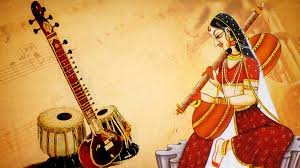
Asia offers a wide variety of traditional music, from the intricate drumming of Japan’s taiko to the soft strumming of the shamisen, a traditional Japanese string instrument. Gamelan music from Indonesia features complex rhythms and melodies performed by an ensemble of instruments. At the same time, the sitar and tabla are integral to the classical music of India, producing sounds that evoke deep spiritual connection.
Australia’s Aboriginal music, on the other hand, is best known for the didgeridoo, an ancient instrument that creates deep, resonant sounds. This music is often tied to the Dreamtime, a spiritual belief system, and is deeply linked to the land and its ancestral stories.
In Africa, music is intricately tied to social events, rituals, and ceremonies. Drums, such as the djembe, are essential instruments used to communicate messages, celebrate, or mark rites of passage. These musical traditions are passed down through generations, with the rhythms and songs often being the primary form of storytelling.
Moving across the globe to the Middle East, music serves a similar purpose of storytelling but with a distinctive sound. The oud, a stringed instrument, produces melodies central to many forms of Middle Eastern music, profoundly influencing genres like Arabic classical music. These pieces are known for their emotional depth, often mirroring the region’s complex history and spiritual themes.
Traditional music also serves as a means of preserving languages and cultural practices that might otherwise fade. Through music, communities can pass on not only their heritage but also their values, beliefs, and language to future generations. This cultural transmission helps protect traditional knowledge and creates a sense of continuity and belonging.
As these traditional musical forms continue to evolve, they still play an essential role in the cultural identity of communities. Many conventional musicians blend their cultural heritage with contemporary styles, creating fusion genres that respect tradition while embracing modern influences.
From the Irish jigs that celebrate community life to the flamenco rhythms of Spain that evoke deep emotions, traditional music remains a vibrant and essential part of global culture. As the world becomes more interconnected, the preservation and appreciation of these musical traditions continue to thrive, reminding us of the universal language of music that transcends time and borders.
