

Introduction
Modern hair care increasingly blends cosmetic science with wellness technology. One tool gaining attention in both professional clinics and at-home routines is the high-frequency wand, a device that applies mild electrical currents to the scalp to stimulate hair follicles and improve overall scalp health, making the high frequency wand for hair a practical option for those looking to support scalp circulation and follicle activity.
Originally used in dermatology and physiotherapy, high-frequency therapy has now expanded into modern hair and scalp treatments because of its ability to enhance blood circulation, reduce microbial buildup, and support healthy follicular activity. While it is not a miracle cure for hair loss, it can be a valuable addition to a holistic hair care routine when used correctly and consistently.
This article explores how high-frequency technology works, its scientifically supported benefits, how to use it safely, and what realistic results users can expect over time.
What Is High-Frequency Technology?
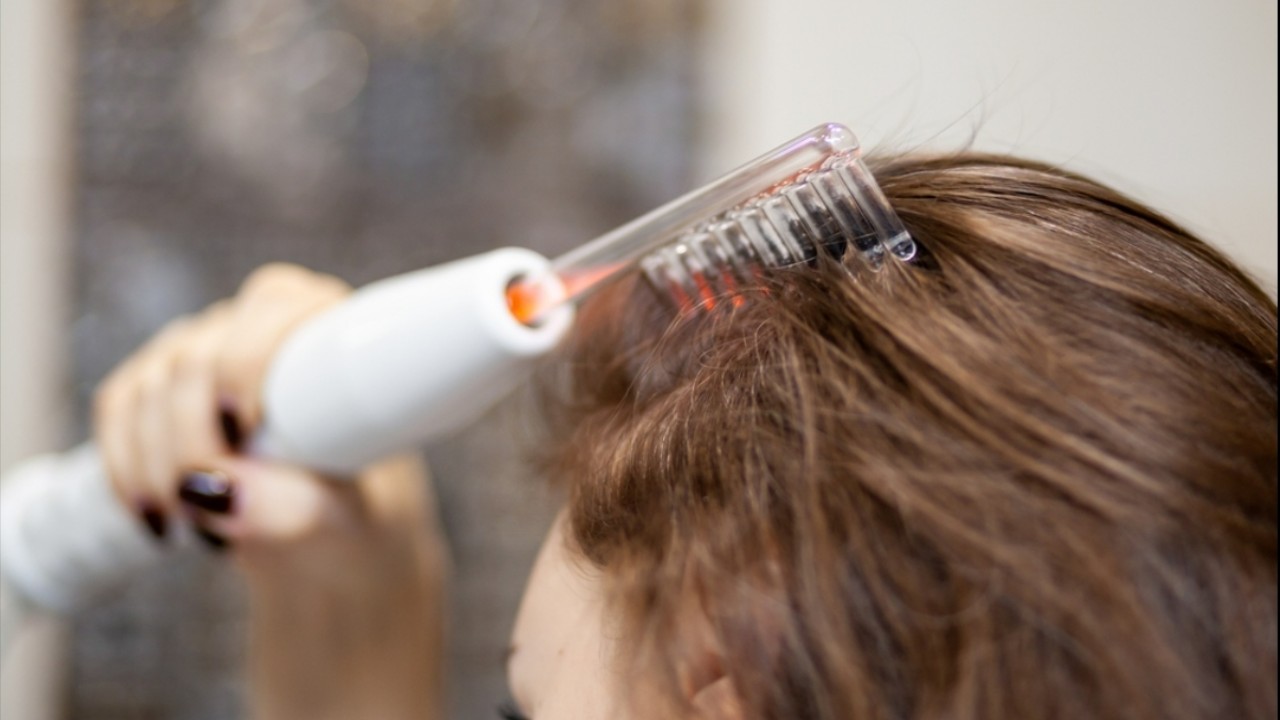
High-frequency technology uses a low-level electrical current delivered through a glass electrode. These electrodes are usually filled with noble gases such as argon or neon, which emit a mild glow when activated.
When applied to the scalp, the current produces:
- Gentle electrical stimulation
- Increased oxygenation of tissues
- Mild thermal effect
- Antibacterial and antifungal action
This combination creates an environment that supports healthier scalp conditions and improved follicle function.
How High-Frequency Therapy Works on the Scalp
Electrical Stimulation and Blood Flow
Hair follicles require a steady supply of oxygen and nutrients. High-frequency currents stimulate microcirculation in the scalp, helping deliver:
- Oxygen
- Glucose
- Amino acids
- Growth-supporting nutrients
Improved circulation can enhance the efficiency of follicles that are underperforming due to poor blood supply.
Ozone and Antimicrobial Effect
The current generates a small amount of ozone, which has natural antimicrobial properties. This helps:
- Reduce dandruff-causing bacteria
- Control fungal growth
- Minimize scalp infections
- Balance excess oil production
A cleaner scalp environment supports stronger and healthier hair growth.
Key Benefits of High-Frequency Hair Therapy
High-frequency therapy is not limited to hair growth alone. Its benefits extend across scalp health and hair quality.
1. Stimulates Hair Follicles
The electrical current gently activates dormant or sluggish follicles, encouraging them to shift into the active growth (anagen) phase.
2. Improves Scalp Circulation
Enhanced blood flow increases nutrient delivery to hair roots, which can improve hair thickness and vitality over time.
3. Reduces Dandruff and Itchiness
Its antibacterial and antifungal effects help control common scalp conditions like:
- Seborrheic dermatitis
- Mild scalp acne
- Product buildup irritation
4. Supports Hair Density
With consistent use, some users notice reduced hair shedding and improved hair density due to stronger follicle activity.
5. Enhances Product Absorption
Using high-frequency therapy before applying hair serums or oils may improve absorption by increasing scalp permeability.
Who Can Benefit Most from High-Frequency Therapy?
High-frequency hair treatments are most beneficial for individuals experiencing:
- Mild to moderate hair thinning
- Stress-related hair fall
- Dandruff or oily scalp
- Poor scalp circulation
- Early-stage androgenic alopecia
However, it is not suitable as a standalone treatment for advanced baldness or genetic hair loss without medical intervention.
How to Use High-Frequency Devices Safely at Home
Step-by-Step Usage Guide
- Start with clean, dry hair and scalp.
- Insert the comb or rake electrode into the device.
- Begin at the lowest intensity setting.
- Move the electrode slowly across the scalp.
- Focus on thinning or problem areas.
- Limit each session to 5–10 minutes.
- Use 2–3 times per week for best results.
Safety Tips
- Do not use wet hair.
- Avoid broken skin or open wounds.
- Never use it if pregnant or with a pacemaker.
- Keep away from metal jewelry.
- Do not exceed recommended session duration.
High-Frequency vs Other Hair Growth Methods
High-Frequency vs Minoxidil
| Feature | High-Frequency | Minoxidil |
| Type | Electrical therapy | Topical medication |
| Side effects | Minimal | Possible shedding, irritation |
| Dependency | No | Yes (results reverse if stopped) |
| Prescription | Not required | Often required |
High-Frequency vs Microneedling
Microneedling involves physical scalp injury to stimulate collagen and growth factors, whereas high-frequency therapy works without breaking the skin, making it less invasive and more suitable for sensitive scalps.
Scientific Perspective on Effectiveness
Research on high-frequency therapy shows:
- Increased microcirculation
- Improved cellular metabolism
- Enhanced oxygen delivery
- Reduced microbial scalp load
While it does not regrow hair in completely bald areas, it can improve the quality, thickness, and growth rate of existing hair when combined with proper nutrition and scalp care.
Realistic Expectations and Limitations
It is important to maintain realistic expectations. High-frequency therapy:
- Does not reverse genetic baldness
- Requires consistent use over weeks
- Works best as part of a routine
- Supports growth, not instant regrowth
Visible results typically appear after 6–10 weeks of consistent use.
Integrating High-Frequency into a Hair Care Routine
For optimal outcomes, combine high-frequency therapy with:
- Scalp massages
- Protein-rich diet
- Adequate hydration
- Stress management
- Gentle shampoos
- Hair growth serums
This holistic approach creates the best internal and external environment for healthy hair.
Common Myths About High-Frequency Hair Therapy
Myth 1: It Causes Electrical Damage
The current is extremely low and safe for cosmetic use.
Myth 2: It Works Overnight
Hair growth is a slow biological process requiring time.
Myth 3: It Replaces Medical Treatment
It complements, not replaces, clinical therapies.
Conclusion
High-frequency hair therapy represents a scientifically grounded, non-invasive approach to improving scalp health and supporting hair growth. By enhancing circulation, reducing microbial activity, and stimulating follicles, it helps create an environment where hair can grow stronger and healthier, which is why the high frequency wand for hair is often considered a useful tool in modern scalp care routines.
When used consistently and combined with proper nutrition and scalp care, high-frequency technology can become a valuable part of a long-term hair wellness strategy. While it is not a cure for baldness, it offers measurable benefits for individuals seeking healthier, fuller-looking hair through safe and modern techniques.
FAQs
1. How long does it take to see results from high-frequency hair therapy?
Most users begin to notice improvements in scalp condition within 2–3 weeks, while visible hair growth or reduced shedding may take 6–10 weeks of consistent use, depending on individual hair cycles and overall health.
2. Can high-frequency therapy cause hair damage?
No, when used properly, it does not damage hair. The electrical current is low and safe, designed for cosmetic use without harming hair strands or follicles.
3. Is high-frequency therapy suitable for all hair types?
Yes, it works on straight, curly, thick, thin, and chemically treated hair. However, individuals with sensitive skin should start with low intensity.
4. Can I combine high-frequency with hair oils or serums?
Yes. In fact, applying serums after a session may enhance absorption due to increased scalp circulation and permeability.
5. Does high-frequency therapy help with genetic hair loss?
It may slow progression and improve hair quality, but it cannot fully reverse genetic baldness. Medical treatments are required for advanced hair loss cases.
