

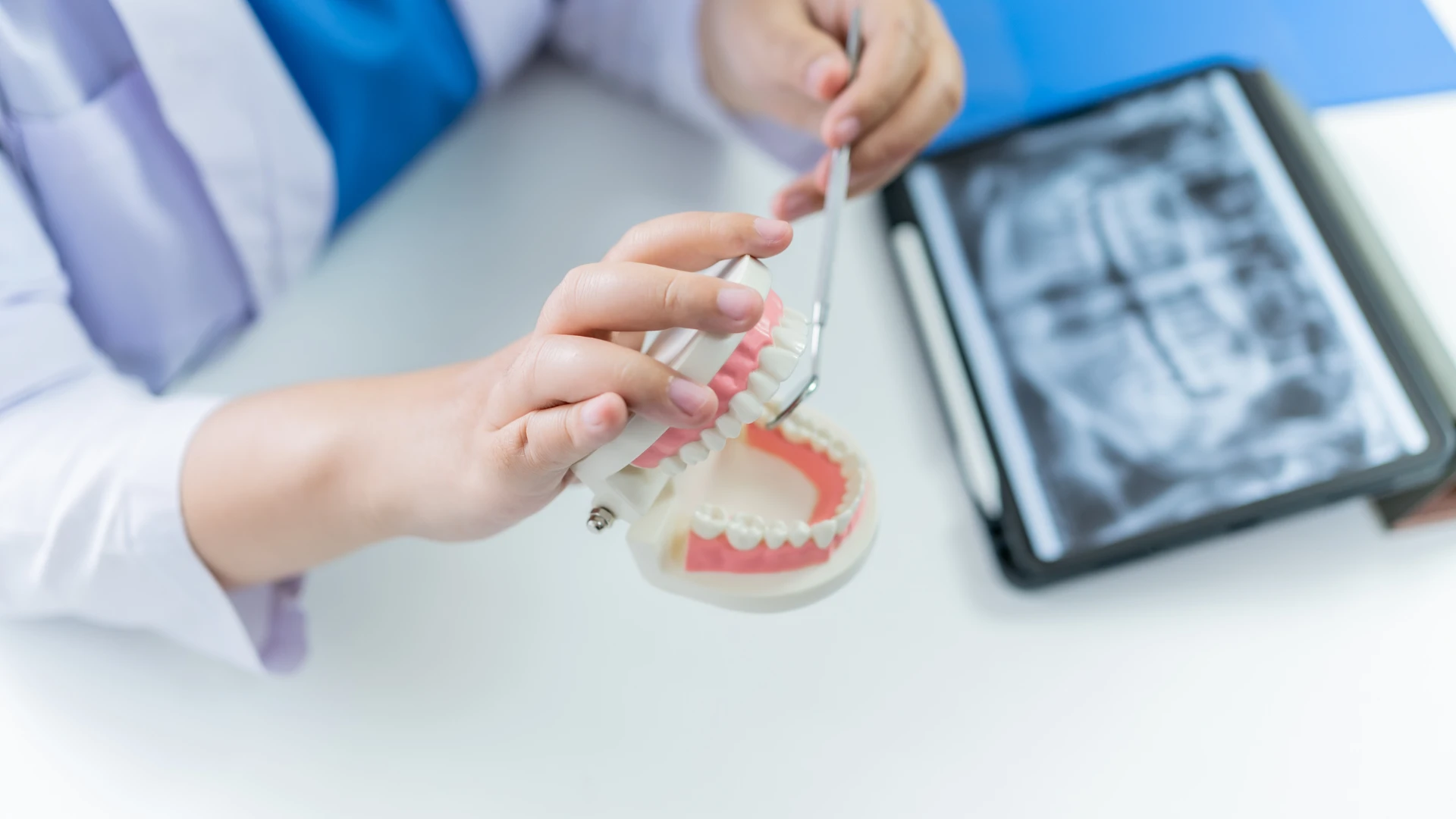
Dental pain can wreck your day and drain your money. You often do not see it coming. Small problems grow in silence until they turn into broken teeth, swelling, or late night trips to urgent care. General dentistry stops many of these emergencies before they start. Regular exams, cleanings, and simple repairs protect you from sudden shock and fear. A dentist checks for weak spots, tiny cracks, and early decay. Then you get clear steps to fix them while treatment is still easy and low stress. You keep more of your natural tooth. You avoid infections. You stay out of the emergency chair. If you see a dentist in Turlock on a steady schedule, you gain control over your mouth instead of waiting for the next crisis. This blog shows how routine general care guards your teeth, your time, and your peace of mind.
Why small dental problems turn into emergencies
Tooth trouble rarely starts with a scream. It often starts with three quiet signs.
- A small cavity that only shows on an x ray
- Gums that bleed a little when you brush
- A tiny chip that feels rough to your tongue
Then life gets busy. You ignore these warnings. The cavity reaches the nerve. The gums get infected. The chip turns into a crack. Suddenly, you face severe pain, swelling, or a tooth that cannot be saved.
According to the Centers for Disease Control and Prevention, tooth decay is still very common in children and adults. Many of these teeth could stay healthy with early care. General dentistry gives you that early care before damage spreads.
How regular checkups stop emergencies
A routine exam is not just a quick look. It is a full check for emergency risks.
At a typical visit, the dentist and team will
- Review your health history and medicines
- Take X-rays when needed to see hidden decay or infection
- Check each tooth for soft spots, chips, and old fillings that leak
- Measure your gums to spot early gum disease
- Look at your bite to see grinding or clenching damage
- Check your cheeks, tongue, and lips for sores or growths
Next the team cleans your teeth. They remove plaque and tartar you cannot reach at home. They also show you better brushing and flossing steps. That way you leave with a plan.
This steady routine turns into a safety net. Problems get caught when they are small. Treatment stays simple. You avoid many root canals, extractions, and infections.
Common emergency causes and how general dentistry stops them
| Emergency problem | How it often starts | How general dentistry prevents it |
|---|---|---|
| Severe toothache | Small cavity that reaches the nerve | Early filling after x rays and exam |
| Broken tooth | Old filling or small crack that spreads | Regular checks and a crown before it breaks |
| Swollen face or abscess | Untreated decay or gum infection | Cleanings, deep cleanings, and early root canal when needed |
| Knocked out tooth | Sports injury without mouthguard | Custom mouthguard from your dentist |
| Broken denture or crown | Wear and tear that goes unchecked | Regular checks and repair or replacement before failure |
Prevention for every age
You protect each family member in three clear ways.
Children
- Sealants on back teeth to block food and decay
- Fluoride to harden enamel
- Space checks to guide jaw growth and tooth position
- Coaching for brushing, flossing, and healthy snacks
Adults
- Regular cleanings to control plaque and gum disease
- Fillings and crowns that keep teeth strong
- Night guards for grinding
- Checks for dry mouth from medicines
Older adults
- Monitoring for root decay as gums recede
- Care for dentures, bridges, and implants
- Screening for oral cancer and sores that do not heal
The National Institute of Dental and Craniofacial Research explains that tooth decay risk stays high across life. Regular general care lowers that risk for your whole family.
Home care that supports your dentist
Your routine at home works with your dentist. Both matter. You can focus on three daily steps.
- Brush twice a day with fluoride toothpaste for two minutes
- Clean between teeth once a day with floss or another tool
- Limit sugary drinks and snacks, especially between meals
You can also
- Wear a mouthguard for contact sports
- Quit smoking or vaping to protect your gums
- Drink water often, especially if you take medicines that dry your mouth
These habits do not replace dental visits. They strengthen the work your dentist does and cut your emergency risk even more.
When to call before it turns into an emergency
Do not wait for extreme pain. Call your dentist if you notice three common warning signs.
- Sensitivity to hot, cold, or sweets that does not fade
- Gums that bleed, swell, or feel sore
- A cracked, loose, or lost filling or crown
Quick care at this stage is faster and less costly than an emergency visit. You also protect your sleep, your work, and your patience.
Take the next step
You cannot stop every accident. Yet you can cut the risk of many dental emergencies with steady general care and strong home habits. Routine visits, cleanings, and early repairs give you control. They keep small problems small. They protect your teeth and your budget.
