

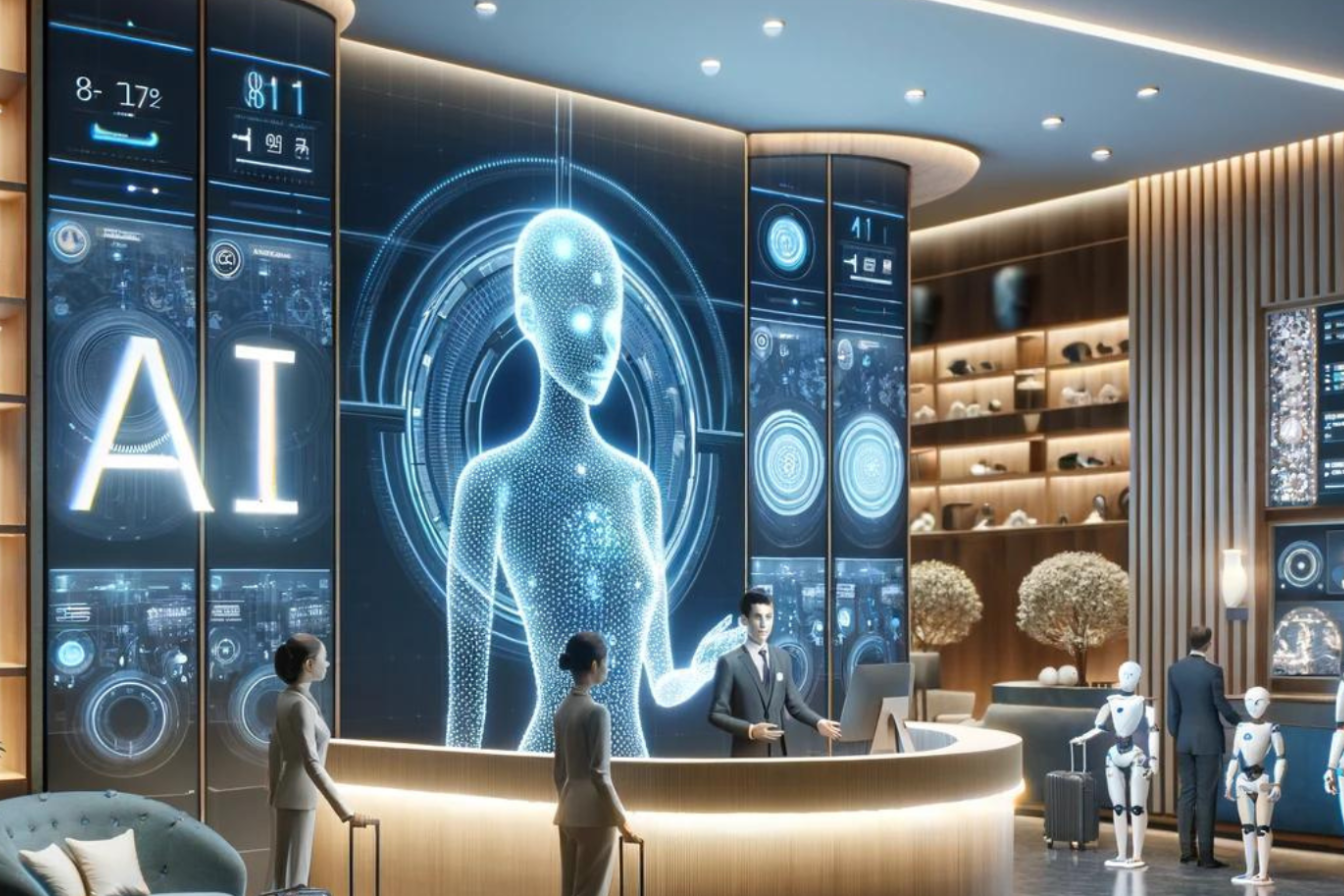
The UK hospitality industry is undergoing a quiet revolution. Behind the elegant façades of historic buildings and luxury interiors, a new kind of innovation is transforming how guests experience hotels. Artificial intelligence (AI), automation, smart-room technologies, and the implementation of the latest hospitality tech products are redefining convenience, personalization, and service.
From AI concierges to fully automated rooms, the most high-tech hotels in the UK are blending cutting-edge technology with hospitality to create futuristic guest experiences. In this article, we explore some of the most advanced examples and what they reveal about the future of travel.
The AI Revolution in Hospitality
Artificial intelligence is no longer a novelty in hotels, it’s becoming essential. Across the UK, hotels are using AI to streamline operations, personalize guest services, and deliver 24/7 support.
AI systems can now handle bookings, answer guest queries instantly, and even predict preferences based on past stays. This shift is not just about convenience, it’s about efficiency and enhancing the overall guest journey.
For travelers, this means faster service, tailored recommendations, and seamless experiences from check-in to check-out.
Eccleston Square Hotel: London’s Tech Pioneer
Arguably the most famous high-tech hotel in the UK, Eccleston Square Hotel in London has built its reputation around innovation.
This boutique hotel combines classic Georgian architecture with futuristic interiors. Each room is packed with advanced features, including:
- Smart glass bathroom walls that switch from transparent to opaque
- In-room tablets acting as digital concierges
- Adjustable Hästens smart beds with massage functions
- Fully automated lighting, temperature, and entertainment systems
More recently, the hotel has integrated advanced AI systems and automation across entertainment, energy management, and guest services, reinforcing its status as one of Europe’s most technologically advanced hotels.
Eccleston Square demonstrates how technology can elevate luxury without compromising comfort.
citizenM London Bankside: The Self-Service Smart Hotel
Another standout is citizenM London Bankside, designed for the modern, tech-savvy traveler.
citizenM has reimagined the traditional hotel experience by minimizing human interaction in favor of smart automation:
- Self-service check-in kiosks replace front desks
- In-room tablets control lighting, blinds, and climate
- Integrated streaming services like Netflix
- Seamless, password-free Wi-Fi
This model reflects a broader trend toward automation and efficiency. By removing friction points like long check-in queues, citizenM creates a streamlined experience that appeals particularly to younger travelers and digital nomads.
Park Hall Resort & Spa: AI Concierge in Action
While many hotels use smart devices, Park Hall Resort and Spa has taken a significant leap by introducing a fully functional AI concierge.
This AI system, developed by Inntelo AI, allows guests to interact with the hotel through messaging platforms like WhatsApp or phone calls. The AI can:
- Answer guest questions instantly
- Handle service requests
- Provide recommendations
- Operate in multiple languages, 24/7
Importantly, the AI works alongside human staff rather than replacing them, improving efficiency while maintaining a personal touch.
This hybrid model is likely to become the industry standard in the coming years.
The Ned London: Personalization Through Data
Luxury hotel The Ned London represents another dimension of AI integration, data-driven personalization.
The hotel uses advanced systems to manage guest interactions, reservations, and services. By analyzing guest data, it can:
- Offer personalized recommendations
- Anticipate guest needs
- Provide consistent service across departments
This kind of intelligent system creates a seamless, highly curated experience that feels both luxurious and intuitive.
Radisson Blu Edwardian: Virtual Assistants and Smart Services
The Radisson Blu Edwardian hotels in London have also embraced AI through virtual assistants.
Guests can interact with a virtual assistant, often referred to as “Edward”, to request services, control room features, or get information. Combined with mobile apps and smart room controls, this creates a highly connected stay.
Such systems demonstrate how AI can simplify communication and reduce reliance on traditional hotel processes.
What Makes a Hotel “High-Tech”?
A high-tech or “smart” hotel goes beyond offering Wi-Fi and digital TVs. It integrates advanced technologies into every aspect of the guest experience.
Key features typically include:
- AI-powered concierge services
- Smart room controls (lighting, temperature, entertainment)
- Mobile-first experiences (apps, digital keys, self check-in)
- Data-driven personalization
- Automation and energy management systems
These innovations not only improve convenience, but also help hotels operate more efficiently and sustainably.
The Future of AI Hotels in the UK
The adoption of AI in UK hotels is accelerating rapidly. As technology becomes more sophisticated, we can expect even more immersive experiences, such as:
- Voice-controlled rooms powered by advanced AI assistants
- Predictive personalization based on real-time data
- Robotics for room service and housekeeping
- AI-generated environments, including lighting and soundscapes
Some luxury hotels are already experimenting with AI-generated wellness experiences and virtual fitness environments, hinting at what’s to come.
Ultimately, the goal is not to replace human hospitality, but to enhance it. AI allows staff to focus on meaningful interactions while technology handles routine tasks.
The most high-tech hotels in the UK are redefining what it means to stay in luxury. Whether it’s a fully automated room, an AI concierge, or a data-driven personalized experience, these innovations are transforming hospitality into something smarter, faster, and more intuitive.
From pioneers like Eccleston Square Hotel to forward-thinking resorts like Park Hall, the UK is at the forefront of this evolution. As AI continues to advance, the line between technology and hospitality will blur even further, creating hotel experiences that feel less like services and more like seamless extensions of our digital lives.
The future of travel isn’t just about where you go, it’s about how intelligently you stay.
