

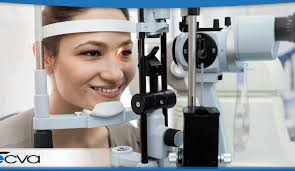
Maintaining good vision is one of the most important aspects of overall health and quality of life. Our eyes allow us to experience the world in vivid detail, from reading a book to driving safely or enjoying a sunset. Yet, many people overlook routine eye care until problems arise. Searching for an optometrist near me is often the first step when vision changes or concerns emerge, but understanding the role of these professionals and how to choose one can make a significant difference in long-term eye health.
What Does an Optometrist Do?
An optometrist is a primary eye care provider trained to examine, diagnose, treat, and manage a wide range of vision problems and eye conditions. They complete four years of optometry school after undergraduate studies, earning a Doctor of Optometry (OD) degree. Unlike ophthalmologists, who are medical doctors specializing in eye surgery and advanced treatments, optometrists focus on non-surgical care. They perform comprehensive eye exams, prescribe glasses and contact lenses, detect common eye diseases, and manage conditions like dry eyes or infections with medications.
Optometrists play a crucial role in preventive care, often identifying early signs of systemic health issues such as diabetes, high blood pressure, or even brain tumors through changes in the eyes’ blood vessels or retina. For routine vision correction or monitoring, consulting a local optometrist is typically the best starting point.
The Difference Between Optometrists and Other Eye Care Professionals
It’s common to confuse optometrists with ophthalmologists or opticians. Ophthalmologists are MDs or DOs who complete medical school, internships, and residencies, allowing them to perform surgeries like cataract removal or laser procedures. They handle complex diseases requiring surgical intervention. Opticians, on the other hand, are technicians who fit and dispense glasses or contacts based on prescriptions but do not perform exams or diagnose conditions.
For most people needing updated prescriptions, annual checkups, or management of mild to moderate eye issues, an optometrist provides comprehensive care without the need for referral to a specialist unless surgery is required.
Why Regular Eye Exams Are Crucial
Many eye conditions develop silently, with no early symptoms. Regular comprehensive eye exams are the most effective way to detect issues before they cause irreversible damage. For instance, glaucoma, often called the “silent thief of sight,” can lead to permanent vision loss if untreated, but early detection through pressure tests and optic nerve evaluation allows for effective management.
Adults should aim for exams every one to two years, or annually if over 40, at risk for diabetes, or with family history of eye disease. Children need exams starting around age three to catch issues like amblyopia (lazy eye) that can affect development if missed. Exams also reveal broader health clues—diabetic retinopathy might appear before a diabetes diagnosis, or high cholesterol could show as deposits in retinal blood vessels.
Beyond detection, exams ensure prescriptions stay current, reducing headaches, strain, and fatigue from outdated corrections.
Common Eye Conditions Diagnosed and Managed by Optometrists
Optometrists routinely diagnose and treat a variety of conditions:
- Refractive Errors: Myopia (nearsightedness), hyperopia (farsightedness), astigmatism, and presbyopia (age-related near vision loss). These are corrected with glasses, contacts, or sometimes refractive therapy.
- Dry Eye Syndrome: Caused by inadequate tear production, often from screen time or environmental factors; managed with drops, lifestyle changes, or punctal plugs.
- Glaucoma: Elevated eye pressure damaging the optic nerve; treated with drops or referrals for advanced care.
- Cataracts: Clouding of the lens, common with age; monitored until surgery is needed.
- Macular Degeneration: Age-related central vision loss; early intervention slows progression.
- Diabetic Retinopathy: Blood vessel damage from diabetes; regular monitoring prevents severe loss.
- Infections and Allergies: Conjunctivitis (pink eye) or allergic reactions, treated with medications.
Early visits allow optometrists to track changes and intervene promptly.
How to Choose the Right Optometrist
When looking for an “optometrist near me,” start with personal recommendations from friends, family, or your primary doctor—these often highlight reliable, compassionate providers. Consider location for convenience, as regular visits are easier when the office is accessible.
Check credentials: Ensure the optometrist is licensed and has experience matching your needs, such as pediatric care or contact lens fittings. Look for offices with modern equipment for accurate diagnostics, like digital retinal imaging.
Ask key questions during initial contact or consultation:
- What services do you offer, including exams for specific conditions?
- Do you use advanced technology for thorough evaluations?
- How do you handle emergencies or after-hours care?
- What is your approach to patient communication and education?
A good optometrist listens to concerns, explains findings clearly, and involves you in decisions. Friendly staff and flexible scheduling also matter for ongoing care.
Tips for Maintaining Healthy Eyes Between Visits
While professional exams are essential, daily habits support eye health:
- Eat a nutrient-rich diet: Include leafy greens, fish high in omega-3s, fruits, and vegetables for vitamins that protect against degeneration.
- Protect from UV: Wear sunglasses blocking 100% UVA/UVB rays outdoors.
- Follow the 20-20-20 rule: Every 20 minutes of screen time, look 20 feet away for 20 seconds to reduce strain.
- Quit smoking: It increases risks for cataracts and macular degeneration.
- Stay active and hydrated: Exercise improves circulation, and water prevents dry eyes.
- Use proper lighting and ergonomics: Avoid glare on screens and position monitors at eye level.
- Wear protective eyewear for sports or tasks involving debris.
These practices complement professional care, reducing risks and enhancing comfort.
Taking the Next Step Toward Better Vision
Prioritizing eye health through regular visits to a trusted local optometrist can prevent many vision problems and catch others early. Whether you’re experiencing blurry vision, headaches, or simply due for a checkup, don’t delay. Clear, healthy eyesight enhances every aspect of life, from work productivity to enjoying hobbies and time with loved ones. By staying proactive, you invest in vibrant vision for years to come.
