

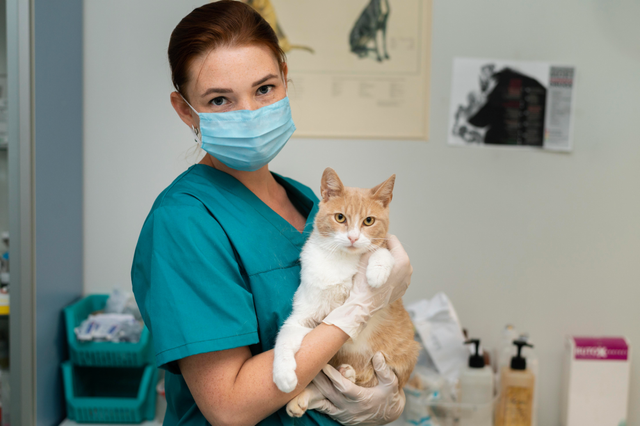
Your general veterinarian is the first and most steady line of support for your pet. You trust this person with your pet’s health, comfort, and safety. A general vet checks your pet from nose to tail, spots quiet warning signs, and guides you through hard choices. Regular visits keep small problems from turning into emergencies. They also give you clear steps for food, vaccines, and behavior. If you ever need a specialist or an emergency clinic, your general vet knows your pet’s history and can share it fast. That partnership protects your pet when time feels short. Whether you see a large hospital team or a single veterinarian in Temperance, this steady care builds a shield around your pet’s life. This blog explains how general veterinarians support you, what to expect from routine visits, and how to use their guidance every day.
Why routine vet visits matter
Pets hide pain. You often see only late signs. Regular visits give your vet a chance to catch small changes before they grow into deep problems.
In a typical yearly visit your vet will:
- Listen to your concerns about eating, drinking, mood, or movement
- Check eyes, ears, mouth, skin, heart, lungs, belly, and joints
- Review vaccines and parasite control
- Update weight and body condition
- Plan blood tests or other checks when needed
The American Veterinary Medical Association explains that routine care and vaccines protect pets and people from many diseases.
What your general vet does for your pet
Your general vet covers three main parts of care.
1. Prevention
- Vaccines for diseases like rabies and parvo
- Heartworm, flea, and tick control
- Spay or neuter counseling and surgery
- Diet advice for age and weight
- Dental cleanings and home care tips
2. Early detection
- Blood tests to screen for kidney, liver, or thyroid problems
- Urine tests for infection or early kidney changes
- Stool checks for worms
- X rays or ultrasound when your pet seems “off”
3. Treatment and follow up
- Care for skin, ear, and eye infections
- Pain control for arthritis or injury
- Short stays for fluids or close watching
- Stitches and wound care
- Care plans for long term disease
How general vets compare with specialists and emergency clinics
You may feel unsure about when to see your regular vet, a specialist, or an emergency clinic. This simple table can help you decide.
| Type of care | Who you see | When to use | Common examples |
|---|---|---|---|
| Routine and ongoing care | General veterinarian | Most health questions and checkups | Annual exams, vaccines, skin issues, weight checks |
| Special problems | Board certified specialist | When your general vet suggests extra testing or advanced treatment | Complex heart disease, cancer care, tough eye disease |
| Urgent or life threatening issues | Emergency veterinarian | When your pet cannot wait | Hit by car, trouble breathing, seizures, uncontrolled bleeding |
Your general vet often acts as the coordinator. You start there. Then you follow their advice about specialists or emergency rooms.
What to expect at different life stages
Puppies and kittens
- Frequent visits for vaccines and growth checks
- Guidance on house training and social skills
- Spay or neuter timing
- Microchipping and ID tags
Adult pets
- Yearly exams for healthy adults
- Weight and diet checks to prevent joint strain and diabetes
- Dental exams to reduce pain and tooth loss
- Behavior talks if anxiety or aggression grows
Senior pets
- Twice yearly exams for many older pets
- Blood and urine tests to find early organ changes
- Pain checks for arthritis and joint disease
- Plans for comfort at the end of life
The U.S. Food and Drug Administration offers clear guides on safe use of pet medicines and flea and tick products. You can use this with your vet’s advice when you choose products.
How to use your vet as a partner
You can get more from each visit when you prepare. Try these three steps.
- Write a short list of questions and changes you notice
- Bring photos or videos of odd behavior or limping
- Keep a record of food, treats, and any medicines
During the visit, ask your vet to explain the plan in plain words. Ask what to watch for at home. Ask when to call back. Clear plans ease fear.
When cost and access feel hard
Care can feel heavy when money is tight. Speak up early. Your vet can often:
- Offer a step by step plan instead of all tests at once
- Point you to low cost vaccine or spay and neuter clinics
- Help you choose which services matter most right now
You can also ask about pet insurance before problems start. Routine planning protects both your pet and your budget.
Taking the next step for your pet
Your general veterinarian stands at your pet’s side from the first vaccine to the last goodbye. You do not have to guess alone. Use their skill. Ask hard questions. Bring small worries early. Regular care, honest talks, and shared plans give your pet a safer life and give you more quiet nights.
