

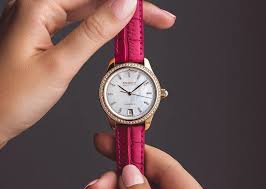
We live in an age where time is everywhere. Phones glow with it, laptops display it, and smart speakers announce it on command. Yet despite this constant digital presence, the traditional wristwatch continues to hold its ground. For many women, it has become less about necessity and more about meaning. A watch today is a conscious choice, one that reflects identity, lifestyle and attitude rather than simple practicality.
This enduring relevance fits neatly within modern culture, where individuality and intention often matter more than excess. Accessories are no longer just add-ons. They are part of a wider personal narrative, and few items tell that story as quietly and consistently as a watch.
Ladies’ watches as a statement of personal rhythm
Looking at ladies’ watches from a lifestyle perspective reveals why they continue to resonate. A watch is one of the only accessories worn daily by choice, not requirement. That alone gives it significance.
Unlike trend-driven items that come and go from wardrobes, a watch tends to remain. It becomes part of how someone moves through the day, marking moments without demanding attention. This subtle presence allows it to reflect the wearer’s personal rhythm rather than interrupt it.
For women navigating busy schedules, creative work, social lives and downtime, a watch offers structure without pressure. It supports organisation while still allowing freedom, which is increasingly valued in modern life.
Beyond fashion, into identity
Fashion is often about expression, but identity runs deeper than seasonal trends. Watches sit comfortably in this space. They are expressive, yet restrained. They reveal taste without needing explanation.
Some women are drawn to minimalist designs that complement everything they wear. Others choose pieces with texture, colour or heritage details that feel more distinctive. Both approaches are valid, and both say something about the wearer.
What unites these choices is intention. Wearing a watch suggests thoughtfulness. It implies that the wearer values objects that last, both in style and in purpose. This mindset aligns closely with contemporary attitudes towards conscious consumption.
The cultural appeal of analogue simplicity
In a world saturated with screens, analogue experiences are quietly gaining appreciation. Vinyl records, printed books and film photography have all seen renewed interest. Watches are part of this same cultural movement.
A watch offers a tactile connection to time. The feel of the strap, the weight on the wrist, the steady movement of the hands. These physical qualities create a grounding experience that digital devices cannot replicate.
For many women, this simplicity is refreshing. Checking the time becomes a moment of pause rather than a gateway to notifications. It is a small but meaningful way to reclaim focus in an always-on world.
Watches and the idea of balance
Balance is a recurring theme in modern conversations about lifestyle. Balancing work and rest, ambition and wellbeing, connection and solitude. A watch, in its quiet way, supports this balance.
Rather than encouraging constant engagement, it offers information without distraction. It helps manage time without overwhelming it. This makes it particularly appealing to women who value clarity and control over their schedules.
The act of wearing a watch can also reinforce boundaries. It allows time checking without drawing attention to emails, messages, or social media. This separation supports healthier relationships with technology.
Craftsmanship in an age of speed
Another reason watches endure is their connection to craftsmanship. Even in mass production, watches often retain a sense of precision and attention to detail. They are built to function accurately over long periods, which requires attention to detail.
This focus on making something well, rather than quickly, resonates with cultural shifts towards quality over quantity. For women who appreciate the craftsmanship behind things, a watch represents patience and skill.
Owning such an object can influence broader habits. It encourages respect for materials, design and longevity. These values extend beyond fashion into broader lifestyle choices.
Emotional value and personal milestones
Watches are often linked to moments that matter. They are gifted for birthdays, graduations, achievements and new beginnings. Over time, these associations deepen.
A watch worn daily becomes a silent witness to change. It is present during successes, challenges and ordinary days alike. This accumulation of shared experience gives it emotional weight.
For women, this can make a watch one of the most personal items they own. It is not easily replaced, because its value is tied to memory as much as appearance.
Style that adapts rather than expires
One of the strengths of watches is their adaptability. A single piece can work across different settings and stages of life. This makes them ideal for women whose roles and routines evolve.
Rather than owning multiple accessories for different looks, one well-chosen watch can move effortlessly between professional, casual and social contexts. This versatility supports a more streamlined approach to style.
In a culture increasingly aware of overconsumption, this adaptability is important. It reduces the need for constant buying and reinforces the appeal of thoughtful investment.
Comfort and daily connection
A watch must feel right to become part of daily life. Comfort plays a crucial role in this. The fit, weight and strap material all influence whether a watch becomes a favourite or stays in a drawer.
When a watch sits comfortably on the wrist, it fades into the background, becoming an extension of the wearer rather than a distraction. This ease is essential for long-term wear.
Design choices also matter. Some women prefer understated faces that blend with any outfit. Others enjoy distinctive details that add character. Both reflect personal priorities and lifestyles.
Gifting with meaning in mind
In a world of fast gifts and quick purchases, choosing a watch carries weight. It suggests thought and consideration. It implies a desire to give something lasting.
For women, receiving a watch often feels significant. It is not just an object, but a gesture that acknowledges time, growth and shared moments. Each wear reinforces that connection.
This makes watches particularly suited to meaningful gifting, where the intention matters as much as the item itself.
Care, longevity and responsibility
A watch encourages care. It needs occasional maintenance and mindful handling. This relationship fosters responsibility and appreciation.
Caring for a watch reflects a broader lifestyle choice. It aligns with sustainability and respect for belongings. Rather than discarding and replacing, it invites upkeep and preservation.
For many women, this sense of stewardship adds depth to ownership. It transforms the watch from a purchase into a commitment.
A quiet constant in changing times
Trends shift, technology evolves, and lifestyles change, but watches remain. Their appeal lies in their ability to adapt without losing identity.
For the modern woman, a watch is not just about keeping time. It is about choosing how to experience it. It represents balance, intention and a connection to something steady in a fast-moving world.
Ladies’ watches continue to hold their place because they offer more than function. They offer presence, meaning and a reminder that time, when treated with care, is one of the most valuable things we have.
