

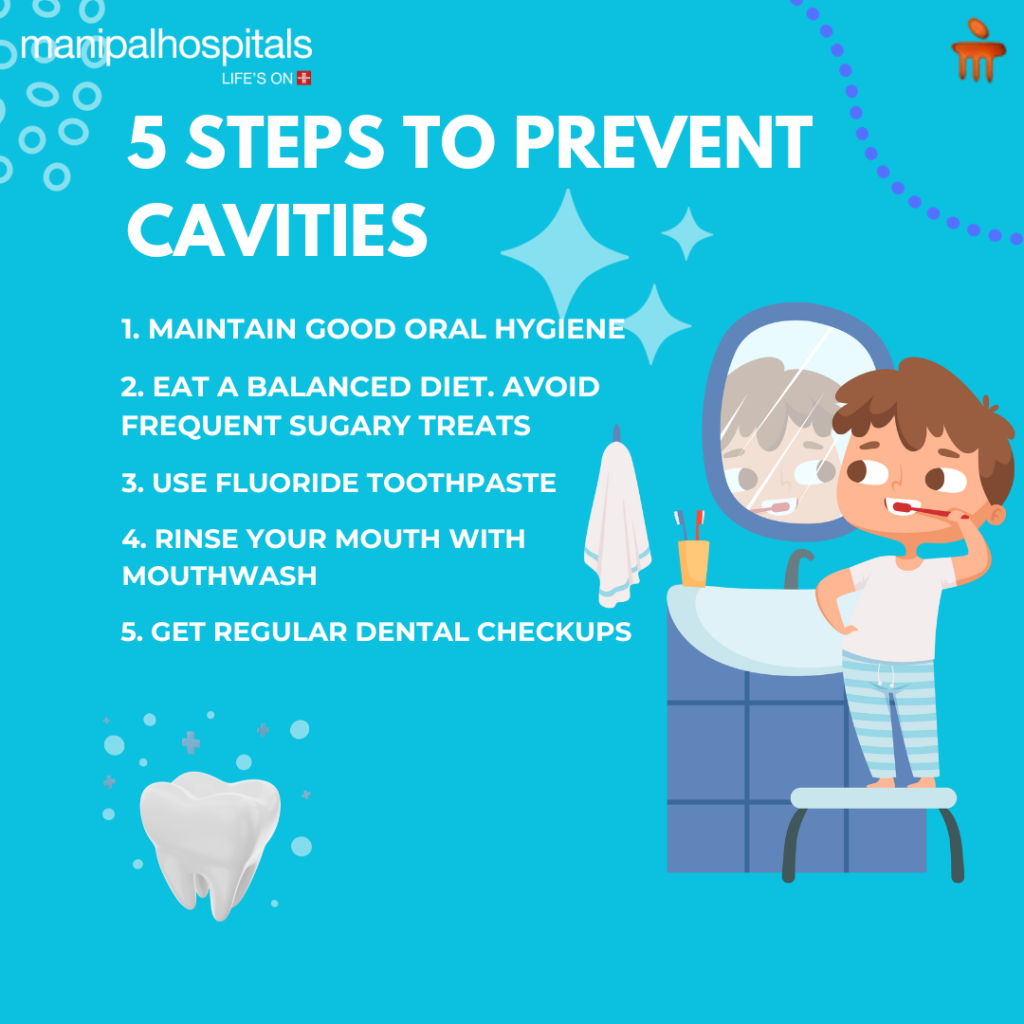
You want to avoid the pain, cost, and worry that come with cavities. You can. Cavities do not appear overnight. They grow slowly. That gives you time to act. This blog shares four clear steps that lower your risk and protect your teeth. You will see how small daily habits block decay. You will also learn when to seek help and what to ask for at each visit. Some people look for brighter teeth through cosmetic dentistry Des Moines clinics offer. First protect the teeth you already have. Then any treatment will last longer. Each approach in this guide is simple. You can start today, even if your mouth feels damaged or neglected. You deserve a calm, pain free smile. You also deserve straight answers. This guide gives you both.
1. Clean Your Teeth With Purpose Every Day
Cavities start when sticky plaque sits on your teeth. Bacteria in plaque turn sugar into acid. The acid eats the hard surface of your teeth. You stop this when you clean your teeth the right way and at the right times.
Use three simple habits.
- Brush twice each day for two minutes with fluoride toothpaste
- Clean between teeth once each day with floss or small brushes
- Rinse with a fluoride mouthwash if your dentist suggests it
Brush all sides of every tooth. Front. Back. Chewing surfaces. Gums. Move the brush in short strokes. Do not scrub hard. Scrubbing can hurt your gums and still miss sticky plaque.
Children need help with brushing until they can write their name in clear print. Many adults rush and leave plaque behind. You might think you brush well. You might still miss the same spots each time. Ask your dentist or hygienist to show you where you miss. You can also chew a plaque disclosing tablet for proof. The color shows weak spots you can fix.
For step-by-step brushing guidance, you can review the simple guide from the National Institute of Dental and Craniofacial Research.
2. Use Fluoride To Strengthen Your Teeth
Fluoride makes teeth harder and more resistant to acid. It can even help repair early damage before a cavity forms. You can get fluoride from three main sources.
- Fluoridated tap water
- Fluoride toothpaste
- Professional fluoride treatments
If your home uses public water, chances are it contains safe levels of fluoride. You can confirm with your local water report. Bottled water often does not contain enough fluoride. That can raise the risk for children and adults.
Use a pea-sized amount of fluoride toothpaste for adults and older children. Use a smear the size of a grain of rice for children under age three. Help children spit out extra paste. Do not rinse with a large amount of water after brushing. A small amount of foam left on the teeth keeps working.
Some people face a higher risk. You may have dry mouth, braces, frequent snacks, or past cavities. In that case, your dentist might suggest stronger fluoride. That might be a prescription toothpaste, a fluoride rinse, or a quick treatment in the office.
Common Fluoride Sources And Cavity Protection
| Fluoride Source | How Often | Main Benefit |
|---|---|---|
| Fluoridated tap water | Daily drinking | Constant low level protection for teeth |
| Fluoride toothpaste | Twice each day | Stronger enamel and repair of early damage |
| Fluoride mouth rinse | Once each day if advised | Extra help for high-risk teeth and braces |
| Professional fluoride varnish | Every 3 to 12 months | Strong targeted defense for weak spots |
The Centers for Disease Control and Prevention explains how community water fluoridation protects teeth for all ages.
3. Change What And How Often You Eat And Drink
Every time you eat or drink something with sugar or starch, bacteria release acid. The acid attack lasts about 20 minutes. If you snack all day, the attack never stops. Teeth do not get a chance to recover.
You gain control when you change three things.
- What you eat and drink
- How often you consume it
- How long does it stay on your teeth?
Focus on these steps.
- Limit sugary drinks such as soda, sports drinks, energy drinks, sweet tea, and juice
- Drink plain water between meals
- Keep sweets with meals instead of separate snacks
- Choose teeth-friendly snacks such as cheese, nuts, and crisp vegetables
- Avoid sticky candies that cling to teeth
Children who sip juice or milk from a bottle or sippy cup throughout the day face a high risk. Adults who keep a sugary coffee or soda on the desk face the same risk. It is not just the amount of sugar. It is the constant contact.
Think of your day in three parts. Morning. Afternoon. Evening. Plan one snack choice for each part at most. Drink water the rest of the time. That keeps your mouth more neutral and gives your teeth space to heal.
4. See Your Dentist Before You Feel Pain
Many people wait for pain before they see a dentist. By that time, the cavity is large. Treatment needs more time and cost. You can avoid that path. Early visits find small problems before they grow.
Most people need a checkup and cleaning every six months. Some need visits every three or four months. Your dentist will set the right schedule based on your risk.
At each visit, you should expect three main steps.
- Review of your health and daily habits
- Careful look at teeth and gums, and sometimes X-rays
- Cleaning to remove plaque and hard tartar
Ask clear questions.
- Where do you see early signs of decay
- What can I change at home to lower my risk
- Do my children need sealants on their back teeth?
Dental sealants are thin coatings placed on the chewing surfaces of back teeth. They fill deep grooves where a brush cannot reach. Sealants can prevent most cavities in those teeth when placed early and checked at each visit.
If cost or fear stops you, say that out loud. Dental teams hear this every day. Many offices offer payment plans or lower fee options for children. Some clinics use gentle tools and methods that reduce noise and pressure. You still stay in control and can raise a hand to pause.
Pulling The Four Approaches Together
Cavities are common. They are not unavoidable. When you combine daily cleaning, fluoride, smart eating, and regular visits, you cut your risk. You also pass strong habits to your children. Small choices, repeated, protect your mouth and your budget.
Start with one change today. Brush tonight with focus. Drink water instead of a sweet drink this afternoon. Call to book a checkup if it has been more than a year. Each step moves you away from pain and toward a quiet, confident smile.
