

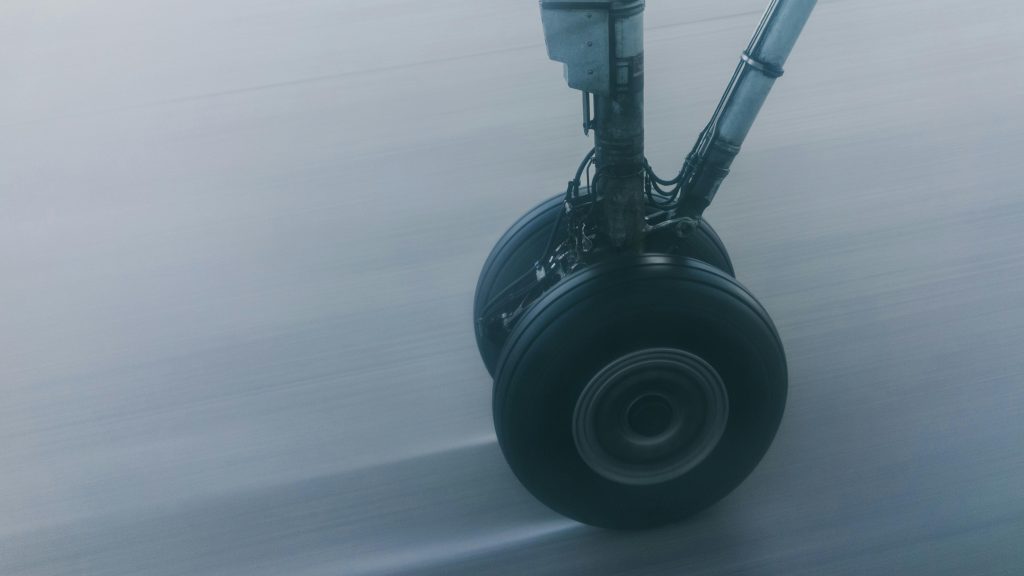
Aircraft tires play a crucial role in safety, performance, and overall reliability. They endure significant stress during takeoff, landing, and taxiing, making proper selection essential for every pilot and aircraft owner. Yet tire choice is often overlooked or rushed, leading to issues that could have been avoided with a bit more attention. Understanding the most common mistakes pilots make when selecting tires can help ensure better performance, longer lifespan, and greater peace of mind on every flight.
Overlooking Load Ratings and Performance Requirements
One of the most frequent mistakes pilots make is choosing tires without fully considering load ratings. Every aircraft has specific requirements based on weight, landing speeds, and operational conditions. Selecting a tire that cannot handle the aircraft’s maximum takeoff or landing weight can lead to premature wear, overheating, or even failure during high stress moments.
Pilots should always verify that the tire’s load rating meets or exceeds the aircraft manufacturer’s recommendations. This includes considering factors such as frequent short field operations, rough runway surfaces, or higher than average landing weights. A tire that is properly rated for the aircraft’s demands will perform more reliably and last longer under real world conditions.
Choosing Tires Based Solely on Price
Budget is always a consideration, but selecting tires based solely on price can lead to costly consequences. Lower priced tires may seem appealing upfront, but they often lack the durability, tread quality, or heat resistance needed for consistent performance. Cheaper options may wear out faster, require more frequent replacements, or fail to provide the stability needed during demanding operations.
Investing in quality tires is an investment in safety. Many pilots choose reputable goodyear aircraft tires because they offer proven performance, strong construction, and reliable tread life. While premium tires may cost more initially, they often deliver better long term value by reducing maintenance needs and improving overall safety margins.
Ignoring Operating Environment and Runway Conditions
Not all tires are designed for the same environments. Pilots sometimes overlook the importance of matching tire selection to the conditions in which they regularly operate. For example, aircraft that frequently land on grass, gravel, or uneven surfaces require tires with stronger sidewalls and more durable tread patterns. Conversely, aircraft operating primarily on smooth, paved runways may benefit from tires optimized for heat dissipation and longevity.
Failing to consider runway conditions can lead to faster wear, increased risk of punctures, or reduced handling performance. Pilots should evaluate their typical operating environment and choose tires designed to withstand those specific challenges. This ensures better performance and reduces the likelihood of unexpected tire issues during critical phases of flight.
Neglecting Proper Tire Size and Fit
Another common mistake is selecting tires that do not match the aircraft’s recommended size specifications. Even small deviations in tire diameter, width, or ply rating can affect ground handling, braking performance, and landing gear alignment. Incorrect tire size may also interfere with wheel fairings or create clearance issues that compromise safety.
Pilots should always refer to the aircraft’s maintenance manual or type certificate data sheet when selecting tire size. Ensuring the correct fit helps maintain proper weight distribution, improves stability during takeoff and landing, and reduces stress on the landing gear. A properly sized tire also wears more evenly, extending its lifespan and improving overall performance.
Failing to Consider Tube and Valve Compatibility
Tire selection does not end with the tire itself. Pilots sometimes overlook the importance of choosing compatible tubes and valves, especially when replacing only one component. Using mismatched or low quality tubes can lead to leaks, uneven inflation, or premature failure. Valve stems that are too short, too long, or improperly angled can create clearance issues or make inflation difficult.
Selecting tubes and valves that match the tire’s specifications ensures proper inflation, reduces the risk of blowouts, and supports consistent performance. Pilots should also consider whether their aircraft benefits from tubeless options, which can reduce maintenance and improve reliability in certain applications.
Conclusion
Choosing the right aircraft tires is essential for safety, performance, and long term value. By avoiding common mistakes such as overlooking load ratings, choosing tires based solely on price, ignoring operating conditions, selecting incorrect sizes, and neglecting tube compatibility, pilots can make more informed decisions that support reliable operations. If you want help comparing tire options based on your aircraft type or flying environment, I can put together a tailored breakdown.
