

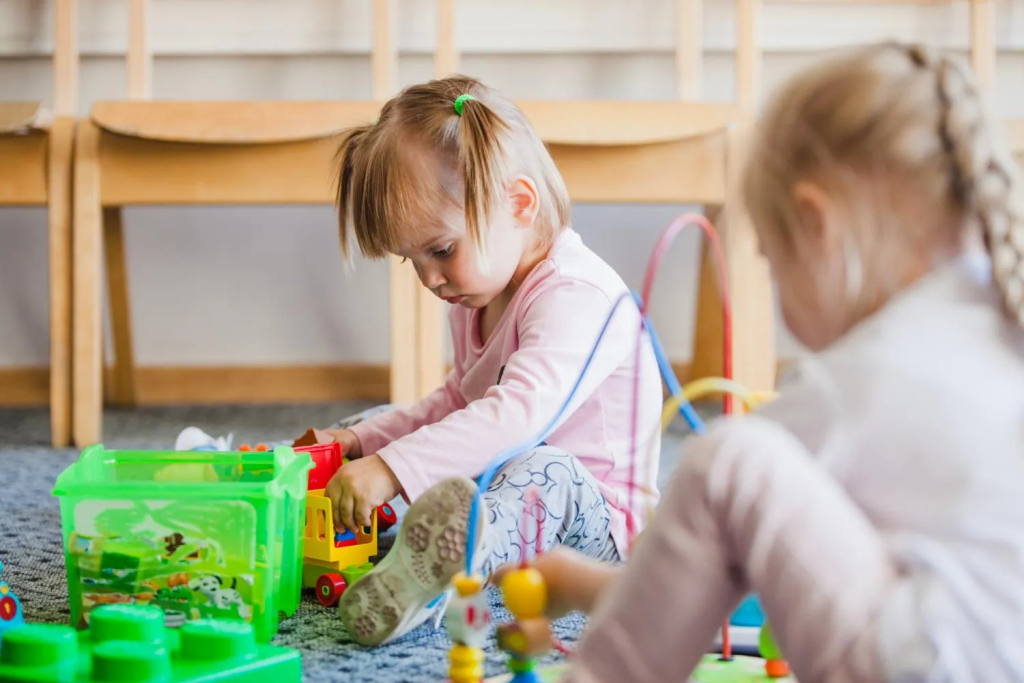
Starting kindergarten is a big milestone for both children and parents.
For many children, it’s their first experience in a structured classroom environment with new routines, teachers, and classmates. While every child develops at their own pace, early childhood education can help make this transition smoother by building the skills children need to feel confident and ready.
A quality early learning program does more than introduce children to letters and numbers. It helps them develop social skills, independence, curiosity, and the ability to adapt to new situations. These early experiences create a strong foundation that supports children as they enter kindergarten and beyond.
Here are five ways early childhood education helps prepare your child for kindergarten.
Builds social and communication skills
Kindergarten is not just about academics. It’s also about learning how to interact with others. Children need to know how to share, take turns, listen, express their feelings, and work together with classmates.
An early learning centre in Vermont gives children daily opportunities to practice these important social skills. Through group activities, playtime, and classroom discussions, children learn how to communicate their ideas and understand different perspectives.
They also begin developing important emotional skills, such as managing frustration, solving small conflicts, and asking for help when they need it.
These skills can make the first days of kindergarten feel less overwhelming and help children build positive relationships with teachers and classmates.
Encourages independence and confidence
One of the biggest changes children experience in kindergarten is becoming more responsible for themselves. They may need to organize their belongings, follow classroom routines, complete simple tasks, and make choices throughout the day.
Early childhood education helps children develop independence through age-appropriate responsibilities. Simple activities like cleaning up after play, putting away materials, and following daily routines teach children confidence and self-reliance.
When children learn that they can complete tasks on their own, they enter kindergarten with a stronger sense of confidence. They become more willing to participate, try new activities, and handle challenges.
Introduces early academic skills
While early childhood education focuses heavily on learning through play, children are also introduced to important academic concepts that prepare them for kindergarten.
Children may explore letters and sounds, early reading skills, counting, and basic math concepts. They also learn shapes, colors, and patterns, problem-solving activities, and science and exploration.
These experiences help children become familiar with classroom learning while keeping education fun and engaging. Instead of memorizing information, children develop curiosity and a love for learning.
A strong early learning foundation can help children feel more comfortable when they begin kindergarten lessons and activities.
Helps children adjust to classroom routines
For some children, kindergarten is the first time they spend several hours away from home in a structured environment. This adjustment can feel challenging at first.
Early childhood education introduces children to routines that are similar to what they will experience in kindergarten. They learn how to follow instructions, transition between activities, participate in group settings, and listen to educators.
Becoming familiar with classroom expectations before kindergarten can reduce anxiety and help children feel prepared for their new environment.
Develops creativity and problem-solving skills
Kindergarten requires children to think independently, ask questions, and find solutions to new challenges. Early childhood education encourages these abilities through hands-on activities and exploration.
Whether children are building with blocks, creating artwork, experimenting with materials, or participating in pretend play, they are learning how to make decisions and solve problems.
Creative activities also help children express themselves and develop confidence in their own ideas. These skills are valuable not only in kindergarten but throughout their educational journey.
Choosing the right early childhood education program
Every child is unique, and the right early learning environment should support their individual needs, interests, and personality.
When choosing an early childhood education program, parents should look for caring and experienced educators, a safe and welcoming environment, and opportunities for play-based learning.
Additionally, look for activities that support social, emotional, and academic growth, and positive communication between teachers and families.
A supportive early learning experience can help children develop the skills they need while making learning enjoyable.
Final Thoughts
The transition to kindergarten is an exciting step, and early childhood education can help children approach this new experience with confidence.
By developing social skills, independence, early academic abilities, classroom habits, and problem-solving skills, children gain a strong foundation for future learning.
The lessons children learn during their early years extend far beyond the classroom. A quality early childhood education program helps children become curious, capable, and confident learners who are ready to take on new challenges.
