

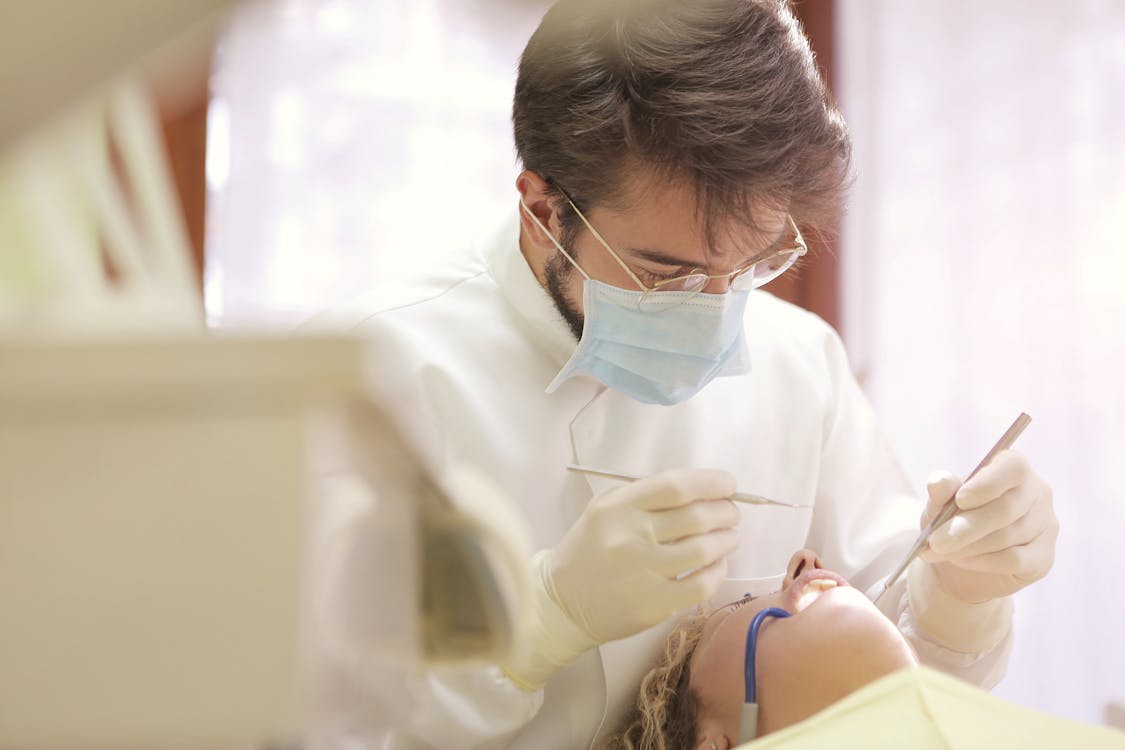
Children’s dental health is a vital part of their overall well-being. Healthy teeth and gums not only support proper nutrition and speech development but also build confidence as kids grow. Unfortunately, dental issues are common among children, often due to diet, oral hygiene habits, or developmental factors. The good news is that most of these problems can be prevented with consistent care and professional guidance. Understanding the most frequent dental concerns and how to address them helps parents create a strong foundation for lifelong oral health.
Tooth Decay
Tooth decay, or cavities, is one of the most widespread dental issues in children. Sugary snacks, juices, and inadequate brushing allow bacteria to produce acids that erode enamel. Cavities can cause pain, sensitivity, and even infections if left untreated. Prevention starts with limiting sugary foods, encouraging water instead of sweetened drinks, and ensuring children brush twice daily with fluoride toothpaste. Regular dental checkups also help detect early signs of decay before they become serious.
Gum Disease
Although gum disease is often associated with adults, children can also develop gingivitis. Symptoms include red, swollen gums that may bleed during brushing. Poor oral hygiene is the primary cause, but factors such as mouth breathing or certain medications can contribute. Teaching children proper brushing and flossing techniques is key to prevention. Parents should supervise brushing until children are capable of cleaning thoroughly on their own. Routine dental visits provide professional cleanings that reduce the risk of gum problems.
Tooth Sensitivity
Children may experience tooth sensitivity when enamel wears down or gums recede, exposing the inner layers of teeth. Sensitivity can make eating hot, cold, or sweet foods uncomfortable. Preventing sensitivity involves protecting enamel by avoiding excessive sugary snacks and encouraging gentle brushing with a soft-bristled toothbrush. Fluoride treatments and desensitizing toothpaste can also help strengthen enamel. If sensitivity persists, a professional evaluation ensures that underlying issues are addressed promptly.
Misaligned Teeth
Crooked or misaligned teeth are common in children due to genetics, thumb sucking, or prolonged use of pacifiers. Misalignment can affect chewing, speech, and self-confidence. Early orthodontic evaluations help identify potential problems before they worsen. Parents can discourage habits like thumb sucking and ensure children receive regular dental assessments. Preventive orthodontics, such as spacers or early braces, may be recommended to guide teeth into proper alignment.
Correcting these issues at a young age also makes it much easier to maintain proper oral hygiene, as straight teeth are simpler to brush and floss effectively. According to this trained dentist in Seabrook NH, by addressing misalignment early, you help prevent future complications like uneven tooth wear or gum disease, setting the foundation for a lifetime of healthy dental habits.
Tooth Eruption Problems
Sometimes, children experience difficulties when permanent teeth begin to erupt. Issues such as delayed eruption, crowding, or impacted teeth can cause discomfort and affect oral development. Monitoring tooth eruption during routine dental visits allows professionals to intervene early. Maintaining good oral hygiene during this stage is crucial, as erupting teeth are more vulnerable to decay. Parents should encourage patience and reassure children, while dentists provide guidance on managing discomfort and ensuring proper growth.
Dental Trauma
Active children are prone to accidents that may result in chipped, cracked, or knocked-out teeth. Dental trauma can occur during sports, play, or falls. Prevention includes using mouthguards during athletic activities and teaching children safe play habits. In the event of trauma, immediate dental care is essential to preserve the tooth and prevent complications. Parents should keep emergency dental contact information handy to respond quickly when accidents happen.
Thumb Sucking and Pacifier Use
Prolonged thumb sucking or pacifier use can lead to misaligned teeth and bite problems. While these habits are normal in infants, they should be discouraged as children grow older. Positive reinforcement and gentle reminders help children break these habits. In some cases, dentists may recommend orthodontic appliances to correct bite issues caused by prolonged sucking. Early intervention prevents long-term dental complications and supports healthy oral development.
Staining and Discoloration
Children’s teeth can become stained or discolored due to diet, medications, or poor oral hygiene. While discoloration may not always indicate serious problems, it can affect confidence and appearance. Prevention involves limiting foods and drinks that cause staining, such as sodas or dark juices, and encouraging consistent brushing. Professional cleanings remove surface stains, while fluoride treatments strengthen enamel. Parents should also ensure children avoid excessive exposure to certain medications that may contribute to discoloration.
The Role of Professional Care
While parents play a crucial role in prevention, professional dental care ensures that children’s oral health is monitored and maintained. A pediatric dentist in Oceanside can provide specialized care tailored to children’s needs, from preventive treatments to managing developmental concerns. Pediatric dentists create a welcoming environment that reduces anxiety and encourages children to view dental visits positively. Partnering with a trusted professional helps parents stay proactive in preventing common dental issues and addressing them effectively when they arise.
Conclusion
Children face a variety of dental challenges, from cavities and gum disease to misalignment and trauma. Fortunately, most of these issues can be prevented with consistent oral hygiene, healthy habits, and regular professional care. By understanding the most common dental problems and taking proactive steps, parents can protect their child’s smile and set the stage for lifelong oral health. With guidance from pediatric specialists and support at home, children can grow up with strong, healthy teeth and the confidence that comes with them.
