

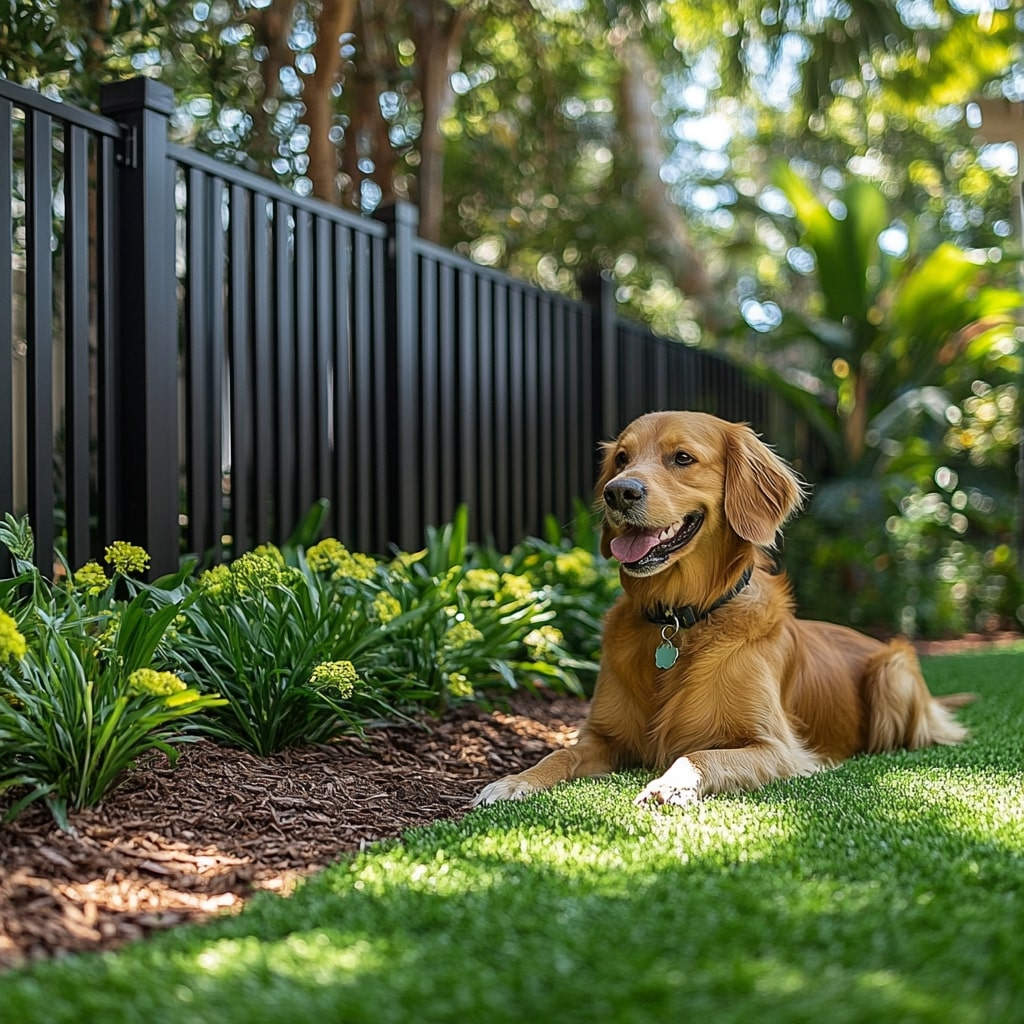
There is no worse feeling than pulling out of the driveway and hearing the sad, lonely whine of your dog left behind. We love our pets, but our busy lives often mean they spend long hours alone. You might worry about them getting bored, chewing up the sofa, or just being sad without company.
A common solution is simply leaving them in the backyard. But is that truly enough? A dog needs more than just space. They need engagement, routine, and safe social contact. When left alone, many dogs experience boredom or anxiety, which can lead to barking, digging, or destructive chewing.
The best way to turn that guilt into peace of mind is by finding a high-quality dog daycare. This is not just a place to ‘dump’ your dog. A great facility acts as a vital extension of your home, providing structured activities and expert supervision. It ensures your beloved companion stays physically fit and mentally happy while you handle your responsibilities.
Why Structure Matters for Your Dog
Think about a classroom for children. You wouldn’t want the kids running wild for eight hours straight, right? Dogs are the same way. While they need play, they also need routine and balance to truly thrive. This balance is often described as the “Work, Rest, Play” philosophy.
The Importance of Scheduled Routine
In a chaotic environment, dogs can become over-stimulated, which leads to stress, exhaustion, and sometimes even conflict. A structured daycare makes sure every dog has:
- Work (Mental Stimulation): Time dedicated to puzzle toys, scent games, or learning simple commands. This tires their brain out in a positive way.
- Play (Physical Exercise): Supervised group activities and running around. This is crucial for burning off physical energy.
- Rest (Mandatory Nap Time): A structured break, usually mid-day, where dogs retreat to quiet, separate areas. This is perhaps the most important part of the day, as it prevents dogs from getting irritable or “cranky” from constant excitement.
When a dog’s day is well-managed, they come home tired in a good way—relaxed, happy, and ready to cuddle, not hyperactive or stressed.
Socialization Versus a Free-For-All
Many people think “socialization” means letting all dogs play together without interference. This is wrong. True, healthy socialization involves supervised learning. In a structured setting, staff guide interactions. They teach dogs polite manners, step in before play gets too rough, and make sure shy dogs are protected from overly boisterous ones. This supervised approach is far better than a chaotic dog park where bad habits can be picked up.
Key Features of a Safe Daycare Facility
When you are touring facilities, knowing what questions to ask is critical. The right daycare should prioritize safety and well-being above everything else.
Supervision and Staff Training
The people watching your dog are the most important factor. Ask these questions:
- Trained Professionals: Does the staff truly understand dog body language? Can they spot the subtle signs of stress, fear, or over-excitement before it escalates into a fight? Look for staff who are constantly moving and observing, not just standing still.
- Low Staff-to-Dog Ratios: There must be enough adults to safely manage the group. Overcrowding leads to poor supervision. A safe ratio is usually around one staff member for every 10 to 15 dogs, but this can change based on the group’s activity level.
The Physical Environment
The building itself tells you a lot about the care philosophy.
- Cleanliness and Hygiene: A well-run facility should smell clean, even with many dogs around. Look for clean floors, fresh water bowls, and prompt cleanup of accidents. Ask about their deep-cleaning schedule and the cleaning products they use.
- Secure Play Areas: Safety means having high, secure fences and a double-gate entry system to prevent dogs from escaping. Additionally, a great daycare will have separate zones for different groups—perhaps based on size, energy level, or age. A tiny chihuahua should not be running with a massive Great Dane.
For residents in Australia seeking a premium and secure option, look for services that excel in these specific areas. Finding an excellent Dog Daycare Melbourne wide can be simplified by focusing on those that are government-approved and prioritize structured play. For instance, facilities like Woofers World in Ormond offer specifically designed indoor and outdoor play spaces to ensure safety, along with structured programs of enrichment activities, making them a leading example of a safe, high-quality environment.
The Importance of a Trial Day (The Assessment)
A top-tier daycare will never simply take your dog without a vetting process. This temperament assessment or “trial day” is essential for both your dog and the facility.
What the Assessment Does
- For the Daycare: It lets the staff evaluate your dog’s personality. Do they play gently? Are they too shy? Are they aggressive? This helps the daycare place them in the correct play group (e.g., the “mellow” group or the “high-energy” group).
- For Your Dog: It gives your dog a chance to experience the environment without being overwhelmed. It’s often a shorter, half-day visit to see if they genuinely enjoy the experience and are not stressed out by it.
A responsible daycare will require up-to-date vaccination records and potentially ask you to fill out a detailed form about your dog’s behavior, fears, and quirks. If a facility skips this step, it is a serious red flag.
Red Flags to Watch Out For
While most daycare owners are passionate about dogs, not all facilities are created equal. Knowing these warning signs can help you choose the safest place.
Too Much Play, Not Enough Rest
If you observe the dogs, and they appear to be playing intensely and constantly for hours on end, this is a bad sign. As mentioned, lack of scheduled rest leads to over-tired, stressed, and grumpy dogs who are more likely to snap or start a conflict. A truly safe environment mandates quiet, scheduled naps.
A Staff That Ignores or Avoids Dogs
The staff should be constantly interacting with the dogs, praising good behavior, gently redirecting bad behavior, and moving around the space. If you see staff members standing on the sidelines, chatting amongst themselves, or glued to their phones, the dogs are not being properly supervised, and safety is at risk.
Unclean or Smelly Facilities
While a dog daycare will never smell like a fresh bakery, persistent strong urine or faeces odor is unacceptable. It signals poor cleaning protocols, which is a major health risk. This includes having dirty play equipment, unwashed beds, or bowls that look like they haven’t been scrubbed in days.
Conclusion
Leaving your dog is a necessary part of a busy life, but it doesn’t have to be a source of stress or worry. By choosing a structured, professional, and safe dog daycare, you are investing in your dog’s health and happiness.
A high-quality daycare provides what a home alone cannot: expert supervision, engaging mental activities, and safe, controlled socialization. When you pick up your dog at the end of the day, you will feel the reward. Instead of a lonely, destructive, or anxious pet, you will have a content, tired, and well-adjusted companion ready to relax with you.
Take the time to research, tour facilities, and ask the hard questions. Finding the perfect place for your dog will give you true peace of mind while you are away.
