

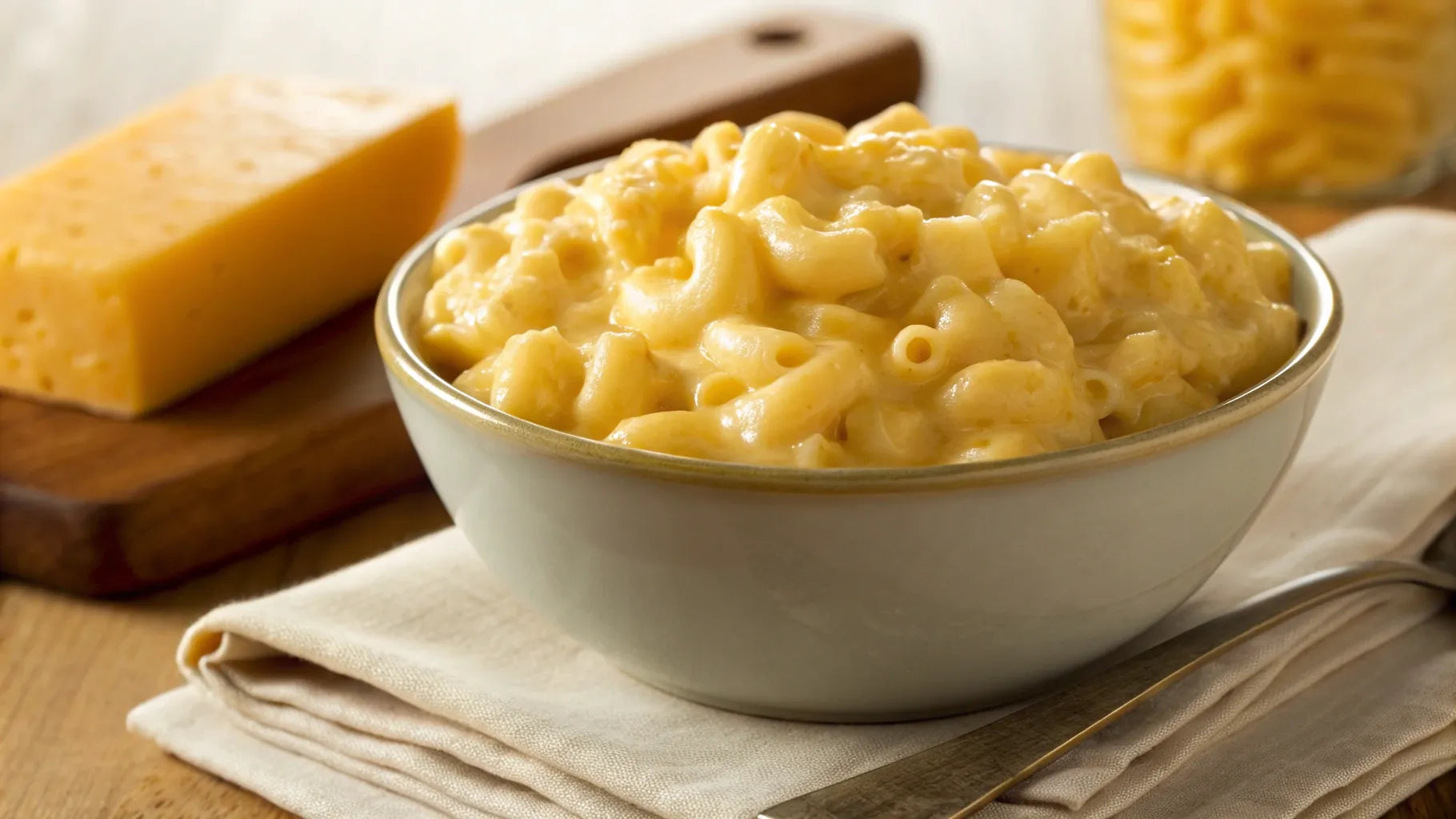
Few culinary creations deliver comfort quite like a perfectly smooth, rich, and flavorful cheese sauce. Whether you’re drizzling it over vegetables, tossing it with pasta, or using it as a dip for game night snacks, a well-crafted cheese sauce can elevate almost any dish. But while cheese sauce may sound simple, achieving flawless texture, ideal consistency, and balanced flavor takes a bit of technique. In this guide, you’ll learn everything from the fundamentals to advanced tips—plus a few recipe ideas to get you stirring with confidence.
Understanding the Basics of a Great Cheese Sauce
A successful cheese sauce typically starts with a simple base: a roux (equal parts butter and flour) combined with milk to form a béchamel. This creates a silky foundation that supports the cheese and keeps the sauce from becoming grainy or separating. While this classic method remains the gold standard, you can also tweak the formula for different textures and flavor profiles. For example, swapping milk for cream produces a richer sauce, while using broth lightens it.
One important key is patience—cheese needs gentle heat to melt smoothly. High temperatures can cause proteins to tighten, resulting in a gritty texture. Stir the sauce consistently, maintain low to medium heat, and add cheese gradually for the best results.
Choosing the Best Cheeses for Smooth, Flavorful Sauces
Not all cheeses melt equally, which means your choice of cheese will impact the final consistency. Cheddar, Gruyère, Monterey Jack, Colby, and Fontina are classic melters. For a sharper flavor, aged cheeses can be added in small amounts, but pairing them with young, melt-friendly cheeses ensures smoothness.
Freshly grating your own cheese is another must. Pre-shredded cheeses often contain anti-caking agents that prevent smooth melting. Choosing blocks of cheese and shredding them yourself guarantees a cleaner, silkier sauce.
Enhancing Flavor: Seasonings, Aromatics, and Add-Ins
Once you’ve mastered the base, you can personalize your cheese sauce with complementary flavors. A pinch of mustard powder brightens the cheese, while garlic and onion powder add depth. Paprika or cayenne introduces subtle heat, and a dash of nutmeg brings warmth—especially in cream-based sauces.
Broths, wine reductions, or aromatics like sautéed shallots can also introduce complexity. Just be sure to keep liquids minimal to avoid thinning your sauce more than intended.
Classic Variations and When to Use Them
The number of ways to customize a cheese sauce is nearly endless. A smooth, mild sauce works beautifully for vegetables, while a bold sharp cheddar version is perfect for macaroni and cheese. For nachos or dips, many home cooks love experimenting with shortcuts like velveeta cheese sauce, which melts flawlessly and creates a silky texture that’s ideal for drizzling.
Whether you’re creating a gourmet sauce or a nostalgic comfort-food classic, the real magic lies in balancing flavor, texture, and consistency for the dish you’re preparing.
Common Cheese Sauce Mistakes (and How to Fix Them)
Even experienced cooks encounter cheese sauce issues from time to time. Luckily, most problems have easy solutions:
- Grainy texture: Reduce heat and whisk vigorously. Adding a bit more milk or cream can help loosen the proteins.
- Sauce too thick: Slowly whisk in warm milk until it reaches the desired consistency.
- Sauce too thin: Let it simmer gently—do not boil—so it thickens naturally. A small slurry of flour and water may help if it’s still too loose.
- Cheese clumping: Add cheese gradually and off the heat if necessary. Overheating often causes clumping.
Mastering these fixes ensures your cheese sauce stays luscious and smooth every time.
Recipe 1: Classic Creamy Cheddar Cheese Sauce
Ingredients:
- 2 tbsp butter
- 2 tbsp all-purpose flour
- 2 cups milk
- 1 ½ cups shredded sharp cheddar
- ½ tsp mustard powder
- Salt and pepper to taste
Instructions:
- Melt butter over medium heat, then whisk in flour to form a roux.
- Cook for 1–2 minutes until lightly golden.
- Slowly whisk in milk, stirring until smooth.
- Reduce heat, then add cheese by the handful, stirring until melted.
- Season with mustard powder, salt, and pepper.
This is a versatile sauce ideal for pasta, vegetables, and casseroles.
Recipe 2: Gourmet Gruyère and White Wine Cheese Sauce
Ingredients:
- 2 tbsp butter
- 2 tbsp flour
- 1 ¾ cups milk
- ¼ cup dry white wine
- 1 ½ cups shredded Gruyère
- Pinch of nutmeg
- Salt and pepper
Instructions:
- Prepare a roux with butter and flour.
- Add milk and wine, whisking until combined.
- Reduce heat and incorporate cheese gradually.
- Add nutmeg, salt, and pepper.
This sophisticated sauce is perfect for fondue, steamed vegetables, or chicken dishes.
Recipe 3: Spicy Jalapeño Cheese Sauce
Ingredients:
- 2 tbsp butter
- 2 tbsp flour
- 1 ½ cups milk
- 1 cup Monterey Jack
- 1 cup cheddar
- 1–2 jalapeños, minced
- ½ tsp smoked paprika
Instructions:
- Prepare a roux, then add milk.
- Stir in jalapeños and spices.
- Add cheese gradually until fully melted.
Serve with pretzels, fries, or nachos for a flavorful kick.
Final Tips for Restaurant-Quality Cheese Sauce
- Use low heat when adding cheese. This prevents separation.
- Season slowly. Cheese is naturally salty, so taste as you go.
- Consider texture early. If you want a pourable sauce, use more milk; for a thick dip, reduce liquids.
- Store properly. Cheese sauce thickens as it cools, so reheat gently with a splash of milk to restore creaminess.
Creamy, rich cheese sauce is more than just a recipe—it’s a technique. With the right ingredients, a little patience, and an understanding of how cheese behaves under heat, you can turn a simple sauce into something extraordinary. Whether you prefer classic cheddar, gourmet blends, or bold spicy variations, mastering cheese sauce opens the door to endless culinary creativity. Enjoy the process, experiment with flavors, and savor every silky bite.
