

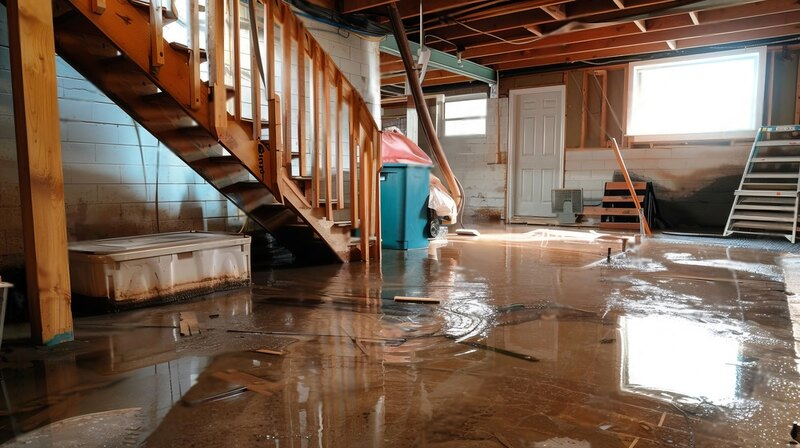
Emergency water damage in Southern California homes often begins without warning and escalates quickly due to plumbing failures, weather events, or appliance malfunctions. A rapid response matters because water spreads fast, seeps into structural materials, and creates conditions that worsen damage within hours. Homeowners in SoCal face unique challenges because varied housing styles, slab foundations, and regional building materials react differently to moisture. Understanding emergency response helps residents act decisively instead of hesitating during stressful moments. This educational guide draws on real restoration workflows to explain how timely action protects property, safety, and long-term home value.
Understanding Emergency Water Damage in Southern California
Water damage emergencies occur when uncontrolled water enters living spaces and threatens structural stability or occupant safety. In Southern California, common triggers include burst supply lines, overflowing fixtures, failed water heaters, and storm-driven roof leaks. Even small leaks can become emergencies when water migrates beneath flooring or into wall cavities. Local building designs often hide moisture until visible damage appears, which delays awareness. Recognizing early warning signs allows homeowners to treat the situation as urgent rather than routine maintenance.
Why Fast Response Matters in Water Damage Situations
Water damage follows a predictable but rapid progression that accelerates with every passing hour. Within minutes, water spreads across surfaces and begins saturating porous materials like drywall and timber. Within hours, swelling, warping, and adhesive failure can compromise floors and cabinetry. Delayed response increases repair scope and cost because secondary damage develops alongside the original problem. Immediate action interrupts this chain reaction and preserves more of the original structure.
Emergency Response Workflow in Real Homes
A proper emergency response begins with stopping the water source whenever it is safe to do so. Professionals then assess moisture spread using specialized tools that identify hidden saturation. Extraction equipment removes standing water before it penetrates deeper into materials. Controlled drying stabilizes the environment and prevents further deterioration. This structured approach defines effective emergency water damage restoration in SoCal when homes face sudden flooding or leaks.
Common Residential Water Damage Scenarios
Kitchen sink failures often release water into cabinets and subfloors before homeowners notice the issue. Bathroom overflows can send water through ceiling cavities and into lower levels of multi-story homes. Washing machine supply line ruptures frequently flood laundry rooms and adjacent living spaces. Slab leaks in Southern California homes can remain hidden while continuously saturating foundations. Each scenario requires tailored emergency handling to prevent compounding damage.
Risks of Delayed Water Damage Response
Delaying action allows water to weaken structural components that rely on dry conditions for strength. Prolonged moisture exposure can degrade insulation and reduce its thermal effectiveness. Flooring materials may permanently deform when drying is delayed beyond critical thresholds. Electrical systems exposed to water present safety hazards that worsen over time. These risks illustrate why emergency response should never be postponed in residential settings.
Health and Safety Considerations During Water Emergencies
Standing water increases slip hazards and can conceal sharp debris or electrical dangers. Contaminated water from sewer backups or exterior flooding introduces additional safety concerns. Even clean water becomes a risk when it stagnates and spreads through living areas. Emergency response protocols prioritize safe access and controlled removal to protect occupants. Addressing safety early prevents secondary incidents during restoration.
Professional Cleanup Standards in Emergency Restoration
Professional water damage restoration follows documented standards for extraction, drying, and monitoring. Equipment selection depends on material types, moisture depth, and environmental conditions. Technicians track drying progress to ensure materials reach safe moisture levels. This process prevents premature repairs that could trap moisture inside structures. Adhering to standards ensures outcomes are reliable rather than cosmetic.
Structural Impact of Water on SoCal Homes
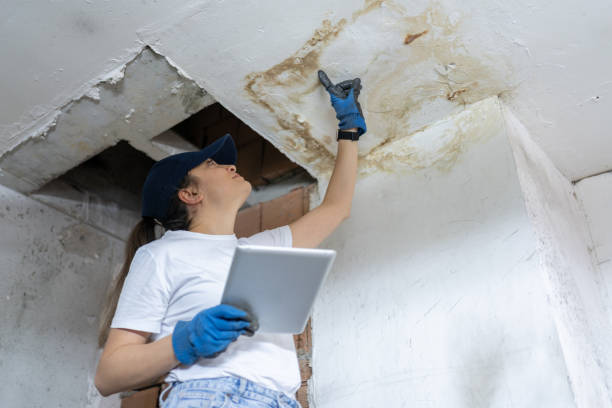
Many Southern California homes use wood framing that absorbs water quickly and loses integrity when saturated. Concrete slabs can transmit moisture upward into flooring systems. Stucco exteriors may trap water inside wall assemblies after heavy rain intrusion. Emergency restoration addresses these regional construction factors during drying. Understanding local building behavior improves restoration effectiveness.
Role of Moisture Detection in Emergency Response
Visible water represents only part of the actual damage footprint. Moisture detection tools reveal saturation behind walls and beneath surfaces. Accurate mapping prevents missed wet areas that could later cause damage. Emergency teams rely on this data to guide extraction and drying placement. Thorough detection separates professional restoration from surface-level cleanup.
Service Reliability in Emergency Restoration
During emergencies, homeowners depend on providers who respond promptly and follow through consistently. Reliable service means clear communication, documented processes, and predictable timelines. Trust builds when restoration teams demonstrate knowledge of local conditions and housing types. Companies such as Superior Restoration are evaluated on their ability to deliver steady emergency support rather than marketing claims. Service reliability directly influences recovery outcomes for affected homes.
Drying and Dehumidification in Residential Settings
Drying involves controlling airflow, temperature, and humidity to remove moisture efficiently. Dehumidification captures airborne moisture released during evaporation. Improper drying can lead to uneven results that leave hidden damp areas. Professionals adjust equipment as conditions change throughout the process. Effective drying restores balance to indoor environments after water intrusion.
Managing Contents During Water Damage Emergencies
Furniture, rugs, and personal items often absorb water alongside structural materials. Emergency response includes evaluating which contents can be dried and which require specialized handling. Quick decisions reduce loss and prevent cross-contamination. Controlled drying environments protect salvageable belongings. This approach limits disruption to household life during recovery.
Documentation and Transparency in Emergency Work
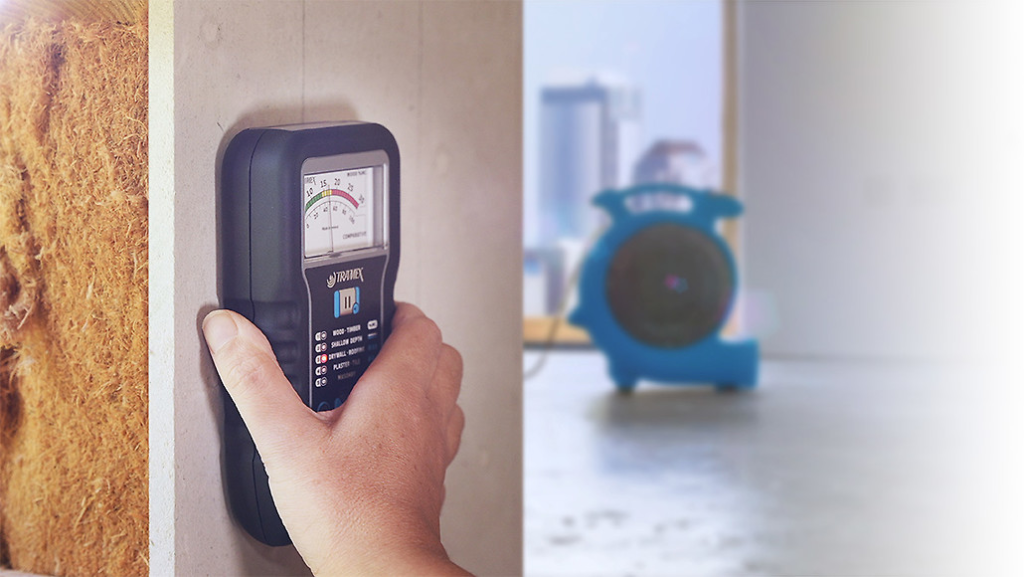
Accurate documentation supports informed decision-making during restoration. Moisture readings, drying logs, and visual records provide clarity on progress. Transparency reassures homeowners that work follows established procedures. Clear records also help coordinate repairs after drying completes. Emergency restoration benefits from accountability at every stage.
Coordination With Repairs After Emergency Stabilisation
Emergency response focuses on stopping damage progression rather than full reconstruction. Once drying achieves safe levels, repair planning can begin. Coordinating these phases prevents overlapping work that could undo progress. Proper sequencing protects materials and budgets. Emergency stabilization sets the foundation for successful long-term repairs.
Local Factors Affecting Water Damage in SoCal
Climate variability across Southern California influences drying strategies and timelines. Coastal humidity differs from inland desert conditions. Housing density and shared plumbing increase risk in multi-residences. Emergency response adapts to these local variables. Local knowledge improves restoration accuracy and efficiency.
Educating Homeowners for Future Preparedness
Understanding emergency water damage response empowers homeowners to act quickly. Knowing where shut-off valves are located reduces response time. Recognizing early warning signs prompts faster professional involvement. Education reduces panic during real emergencies. Prepared homeowners contribute to better outcomes.
The Value of Professional Experience in Emergencies
Experience guides decisions under pressure when conditions change rapidly. Seasoned teams anticipate complications before they escalate. Familiarity with local construction methods informs effective strategies. Professional judgment complements equipment and protocols. Experience remains a critical asset in emergency restoration.
Long-Term Property Protection Through Timely Action
Prompt emergency response preserves materials that would otherwise require replacement. Protecting original structures maintains property value over time. Effective restoration reduces the likelihood of recurring issues. Timely action supports both immediate recovery and future stability. Emergency preparedness ultimately safeguards Southern California homes.
