

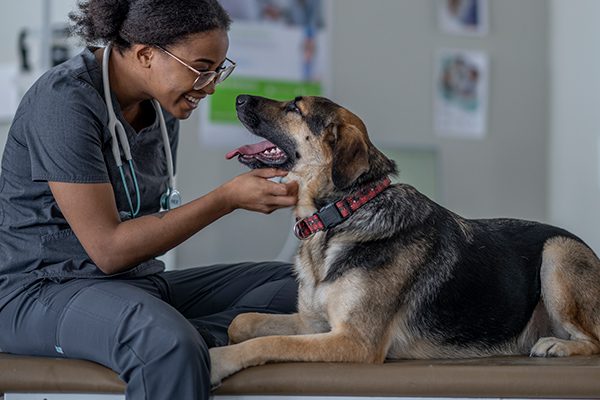
Walking through the door of an animal hospital can shake any pet. Strange smells. Loud sounds. Unknown people. Your pet reads all of it as a threat. That fear can lead to shaking, hiding, snapping, or shutting down. It also makes exams and treatment hard. You want safety for your pet. You also want clear answers about health. Fear free care respects both. Many hospitals now design every step of a visit to lower stress. Staff watch body language. They use soft voices and slow movements. They plan visits around your pet’s comfort, not speed. They use treats, toys, and calm spaces. Some even coach you before you arrive. A veterinarian in Lake Charles may greet your pet on the floor, not on a cold table. That small change can steady a racing heart and rebuild trust, one gentle visit at a time.
Why fear hurts your pet and your family
Fear does more than cause fuss during a visit. It changes the body. Heart rate climbs. Muscles tighten. Breathing gets fast. Stress can raise blood pressure and blood sugar. That can confuse test results. It can hide pain or make it look worse.
Fear also changes how you use care. If every visit feels like a battle, you wait. You may skip vaccines or follow up checks. Your pet then loses early help. The stress grows. The health risk grows too.
Research from the Centers for Disease Control and Prevention shows that regular vet care protects both pets and people. Calm visits make that care possible. They protect your pet’s body and also the bond you share.
Key parts of a fear free animal hospital
Fear free design is not one single trick. It is a set of choices that work together. You can look for three main parts.
- Quiet, thoughtful spaces
- Gentle handling and clear routines
- Support for you before, during, and after visits
Quiet, thoughtful spaces
The building itself can calm your pet. Many hospitals now:
- Separate dogs and cats in lobbies and exam rooms
- Use soft flooring so paws do not slip
- Play low volume music to cover harsh sounds
- Use dimmer lights in some rooms for nervous pets
- Clean with low scent products to avoid strong smells
Some clinics place covers over exam tables. Others use floor mats. That gives steady footing. It cuts fear of heights. It also prevents cold touch that startles many pets.
Gentle handling and clear routines
Staff training matters. Fear free teams learn to read small signals. Ears back. Tail tucked. Lip licking. Wide eyes. They change how they move and touch in response.
Common handling steps include:
- Letting your pet explore the room before the exam
- Starting exams where your pet is most calm such as on the floor or in your lap
- Using towels to wrap small pets instead of firm holds
- Breaking up long procedures into short steps with rest time
- Stopping to regroup when fear signs rise
Teams use food, toys, and praise as rewards. They may give a treat for every touch. They may pair each step with a word cue. Over time your pet learns that the exam has a pattern and a reward.
Support for you as the caregiver
Fear free care includes you. Your mood feeds your pet’s mood. When you feel tense, your pet sees it. Staff can guide you in simple ways.
- Before the visit staff may suggest carrier training or car practice
- During check in they may move you to a quiet room right away
- During the exam they may coach you on how to hold and soothe your pet
- After the visit they may review what went well and what to change next time
The Ohio State University Veterinary Medical Center offers simple steps for cats and dogs before visits. Many clinics now share similar guides. Use these tools. They put you back in control.
Examples of fear free methods in action
Hospitals use many tools. Here is a simple comparison of common methods and how they help.
| Fear free method | What your pet experiences | How it helps |
|---|---|---|
| Separate dog and cat areas | Fewer strange scents and sounds | Lowers alertness and tension |
| Pre visit planning | Familiar carrier and calm car ride | Reduces fear before you arrive |
| Treat based handling | Food during touch and exams | Builds positive link to the clinic |
| Floor exams | Secure footing at a low height | Prevents panic on tables |
| Quiet waiting rooms | Less noise and crowding | Helps shy pets stay calm |
| Shorter, more frequent visits | Quick, predictable contact | Builds trust step by step |
When fear is severe
Some pets carry deep fear or past trauma. Others have pain that flares when touched. In these cases the team may suggest extra help.
- Calming pheromone sprays on towels or bandanas
- Prescription calming medicine before the visit
- Extra time slots so your pet is never rushed
- Home visits for certain services
These steps are not signs of failure. They are signs of respect for your pet’s limits. They protect staff and you from bites or scratches. They keep your pet safe.
How you can support a fear free visit
You play a direct role. You can make three simple promises to your pet.
- Prepare early. Practice carriers, car rides, and gentle handling at home.
- Protect space. Keep your pet away from other animals in the lobby.
- Speak up. Tell staff what scares your pet and what comforts your pet.
You also can bring your pet in for “happy visits”. These are short trips where staff greet your pet, give treats, and do no procedures. Over time the clinic stops feeling like a threat and starts feeling routine.
Choosing a fear free animal hospital
When you call a clinic, ask clear questions.
- Do you have separate waiting spaces for dogs and cats
- Do your staff receive training on low stress handling
- Can my pet wait in the car until the exam room is ready
- Are pre visit calming medicines an option if my pet needs them
Listen to how the team responds. You deserve direct, patient answers. Your pet deserves care that treats fear as real. When you choose a fear free animal hospital, you guard your pet’s health and heart at the same time.
