

Introduction
Urban living has reshaped how people think about home design, space usage, and daily comfort. As cities grow denser and living spaces become more compact, the traditional idea of fixed interiors no longer aligns with modern lifestyles. Homes are no longer static environments designed for one purpose. They are dynamic spaces that must support work, rest, social interaction, and personal well-being within limited square footage. This shift has transformed furniture from a static necessity into a flexible lifestyle tool that supports movement, change, and daily adaptation.
Modern urban homes demand adaptability. Living rooms become workspaces by day and relaxation zones by night. Dining areas double as creative spaces or study corners. Bedrooms often serve as personal retreats, offices, and storage hubs. In this environment, flexibility is no longer a luxury but a necessity. Interiors must respond to changing needs without constant renovation, structural changes, or complete redesign. Space must work harder, smarter, and more efficiently to support modern urban life.
Modular furniture has emerged as a direct response to these evolving demands. Instead of fixed layouts, modular systems allow spaces to transform easily. Furniture becomes fluid, adaptable, and responsive to daily routines. Units can be rearranged, expanded, reduced, or repurposed without disrupting the entire space. This approach supports a lifestyle where movement, flexibility, and personalization become central to comfort and functionality rather than rigid structure.
Urban interiors are also increasingly focused on emotional well-being. A flexible home reduces stress, increases personal control, and supports mental comfort. When a space adapts to the individual rather than forcing adaptation from the individual, daily life feels more balanced and manageable. The home becomes a supportive environment rather than a limiting structure.
In this new model of urban living, modular furniture is not just a design trend. It represents a deeper shift in how homes function, how people interact with their spaces, and how cities shape daily life. Flexibility becomes the foundation of modern comfort, transforming urban homes into responsive, supportive, and truly livable environments that evolve with their occupants rather than restricting them.
Urban Living and the Need for Adaptable Interiors
Urban living environments are defined by density, limited space, and constant movement. Apartments and city homes are often designed within tight structural constraints, making every square meter valuable. Traditional fixed interiors struggle to meet the demands of modern urban lifestyles, where homes must serve multiple purposes throughout the day. Adaptability becomes essential for comfort, functionality, and long-term livability. Without flexibility, even well-designed spaces quickly feel restrictive and inefficient.
Modern urban residents require interiors that can shift seamlessly between roles. Living spaces must support work, relaxation, social interaction, and personal time without feeling crowded or chaotic. Fixed furniture layouts restrict movement and limit flexibility. In contrast, adaptable interiors allow spaces to evolve based on daily needs, making small homes feel more open, usable, and functional. Rooms no longer serve a single identity but transform throughout the day as routines change.
Space efficiency is no longer only about storage solutions. It is about spatial intelligence. Layouts must support circulation, flow, and usability. Adaptable interiors focus on mobility rather than permanence. Furniture placement becomes fluid, allowing rooms to transform without structural changes. This approach supports both practicality and comfort within compact environments. Movement becomes part of the design language rather than a limitation of space.
Adaptability also supports emotional well-being. When a home responds to daily routines instead of resisting them, stress levels decrease. People feel more in control of their environment. The ability to reshape a space creates a sense of agency and comfort, turning small homes into supportive living environments rather than restrictive ones. Emotional ease becomes as important as physical functionality.
Urban living continues to evolve, and interiors must evolve with it. Adaptable design is no longer a design preference but a functional requirement. Homes must support changing lifestyles, growing families, remote work, and shifting routines. In modern cities, the most successful interiors are those that move with life rather than against it. They respond to change instead of resisting it. Adaptable interiors create spaces that are responsive, flexible, and human-centered, allowing urban homes to remain livable, comfortable, and emotionally supportive despite limited space and constant change.
Modular Furniture as a Lifestyle Solution
Modular furniture represents more than a design innovation—it reflects a lifestyle shift toward flexibility, efficiency, and intentional living. In modern homes, where space and functionality must coexist, furniture systems adapt to real-life needs rather than idealized layouts. Components can expand, contract, or reconfigure, making homes responsive rather than static. Practical solutions like the modular lounge sofa exemplify how modular design combines comfort, style, and versatility. This approach transforms interiors into living systems that evolve with routines, personal habits, and changing life stages.
- Function-First Flexibility: Modular pieces respond to shifting daily routines and spatial needs. Seating can expand for social gatherings or contract for quiet evenings. Layouts adjust between work, rest, and leisure without requiring additional furniture, supporting multifunctional living areas.
- Personalization and Identity: Users are no longer limited to rigid layouts or standard configurations. Spaces can be shaped to reflect lifestyle, family structure, and personal habits. This personalization creates interiors that feel unique and expressive rather than generic or formulaic.
- Sustainability and Long-Term Usability: Modular systems evolve with changing needs, reducing the need to replace furniture. Components can be reconfigured, repurposed, or expanded over time, minimizing waste. This supports sustainable living while ensuring long-term value and functionality.
- Enhancing Emotional and Spatial Experience: Flexible furniture empowers people to control their environment rather than adjust to it. Interiors feel responsive, supportive, and comfortable, promoting both emotional ease and functional clarity. Modular solutions turn homes into adaptive ecosystems that grow with daily life.
Modular furniture transforms how people experience their homes by prioritizing flexibility, personalization, and sustainability. Solutions like the modular lounge sofa demonstrate how interiors can evolve without losing style or comfort. Spaces become multifunctional, adaptive, and emotionally supportive. Residents gain freedom, control, and harmony in their daily routines. Ultimately, modular design turns furniture into a foundation for modern living, shaping how people move, interact, and thrive in their environments.
Multi-Functional Living Room Concepts
The modern living room is no longer a single-purpose space. In urban homes, it must serve as a social hub, workspace, relaxation zone, entertainment area, and sometimes even a dining space. This transformation has reshaped interior planning, shifting the focus from fixed-purpose rooms to hybrid environments that support multiple daily functions. The living room becomes a flexible platform rather than a defined zone.
Multi-functional design relies on spatial versatility. Layouts are created to support different activities without visual or physical disruption. Seating arrangements adapt to social gatherings, quiet evenings, and work sessions. Furniture placement supports both openness and intimacy, allowing the space to feel dynamic without becoming chaotic. This balance creates environments that respond to changing needs while maintaining visual harmony.
Hybrid living rooms also support modern lifestyle rhythms. Work-from-home culture, flexible schedules, and digital living require spaces that shift seamlessly throughout the day. A living room may function as a professional workspace in the morning, a family gathering space in the evening, and a relaxation zone at night. This adaptability allows homes to support evolving routines without requiring structural changes.
Emotionally, multi-functional spaces create a sense of control and comfort. People feel supported rather than restricted by their environment. The ability to reconfigure a space reduces stress and increases mental ease. Living rooms become responsive environments rather than rigid settings, enhancing daily experience through flexibility and intention.
As urban lifestyles continue to evolve, multi-functional living room concepts become essential rather than optional. They reflect a new understanding of space as dynamic, adaptable, and human-centered. The living room becomes the heart of the home not because of its size, but because of its ability to support life in all its changing forms.
Designing for Movement and Flow
Designing for movement and flow is fundamental to creating interiors that feel natural and comfortable. Urban homes often struggle with congestion and restricted pathways due to limited space and fixed layouts. Effective spatial planning focuses on how people move through a room rather than how furniture fills it. Flow becomes a design priority rather than an afterthought.
Movement-centered design creates clear circulation paths without rigid boundaries. Furniture placement supports natural walking patterns and intuitive navigation. Rooms feel open even when fully furnished because nothing obstructs movement. This creates interiors that feel breathable and accessible, allowing spaces to function efficiently without visual clutter.
Flow also enhances spatial perception. Well-planned layouts make rooms feel larger, brighter, and more open. Visual continuity guides the eye smoothly across the space, reducing visual fragmentation. This sense of openness improves comfort and reduces sensory fatigue, making interiors feel calm rather than overwhelming.
From a lifestyle perspective, flow supports daily routines. People move easily between activities without friction or disruption. Spaces support productivity, relaxation, and social interaction naturally. The environment adapts to behavior rather than forcing behavior to adapt to the environment.
Designing for movement and flow transforms interiors into living systems rather than static arrangements. Homes become environments that respond to motion, rhythm, and daily patterns. This approach creates spaces that feel intuitive, balanced, and emotionally comfortable. In urban living, where every movement matters, spatial flow becomes one of the most powerful tools for creating functional and livable homes.
Comfort Zoning in Modern Homes
Comfort zoning has become a defining principle in contemporary interior design, particularly within urban environments where space must support multiple activities. Instead of designing rooms for single purposes, modern homes are structured around zones of comfort based on function, emotion, and daily routine. Each area within a space serves a specific need while remaining visually and spatially connected to the whole. This approach creates environments that feel organized without feeling divided, where openness is preserved but purpose is emphasized, allowing each zone to support specific activities naturally.
Activity-based layouts allow different comfort zones to coexist seamlessly within a single room. A relaxation area may exist beside a work zone, while social seating integrates naturally into the same environment. Furniture placement, lighting, and layout define these zones without physical barriers such as walls or partitions. The use of modular furniture, rugs, and subtle color differentiation helps to delineate zones while maintaining flow. This method preserves openness while creating emotional and functional boundaries that support focus, rest, and social interaction.
Comfort zoning also enhances emotional well-being. When spaces are aligned with specific activities, mental clarity improves. People feel more relaxed in rest zones, more productive in work areas, and more socially engaged in communal spaces. The home becomes psychologically supportive rather than mentally overwhelming. Each zone feels intentional and purposeful rather than accidental, helping occupants interact with their environment in a way that feels natural, organized, and calming.
From a practical perspective, comfort zoning improves daily efficiency. Movement between activities becomes smoother, and transitions feel fluid rather than disruptive. Spaces adapt to routines instead of forcing them to adjust to static layouts. Homes become responsive to lifestyle patterns, supporting multiple simultaneous needs without compromise. The environment encourages balance and intentional living.
Modern homes benefit from this layered approach to design. Comfort zoning allows flexibility without chaos and structure without rigidity. It creates interiors that feel purposeful, adaptable, and emotionally balanced. In urban living, where homes must serve many roles within limited space, comfort zoning transforms interiors into environments that support both productivity and relaxation. This strategy ensures that every part of the home contributes to well-being, comfort, and efficient living while maintaining aesthetic cohesion across the space.
The Psychology of Flexible Spaces
Flexible spaces have a profound psychological impact on daily living. Environments that adapt to individual needs create a sense of control, security, and emotional comfort. When people can shape their surroundings to match their routines and preferences, they experience less stress and greater mental ease. The home becomes a supportive environment rather than a source of pressure, restriction, or spatial frustration. Adaptability transforms interiors from static structures into responsive, nurturing environments that support both functionality and emotional well-being.
Psychological comfort is closely linked to spatial autonomy. The ability to adjust layouts, seating, and functionality creates a sense of ownership and agency. Residents feel empowered by their space rather than confined by it. This sense of control strengthens emotional resilience and enhances daily living. When individuals can manipulate their environment to suit changing needs, the home becomes a place of calm and reassurance rather than tension and compromise. Flexibility allows people to align their surroundings with personal rhythms, increasing comfort and satisfaction.
Flexible spaces also reduce cognitive overload. When a space adapts to activities, mental energy is preserved. People do not need to constantly navigate obstacles, reorganize furniture, or adjust to layouts that are misaligned with their routines. The environment works in harmony with daily life, reducing friction and minimizing the mental effort required to function effectively. Predictable, adaptable spaces support focus, productivity, and clarity, especially in compact urban homes where space is limited and routines are varied.
Emotionally, flexible interiors feel safe, responsive, and calming. They adjust to changing moods and needs without disruption. A space can transition from social to private, from energetic to restful, depending on the occupant’s needs. This adaptability creates emotional stability and comfort, allowing residents to feel supported at every moment. Flexible design becomes a tool for mental well-being rather than simply spatial efficiency.
The psychology of flexible spaces demonstrates that adaptability is not only functional but deeply emotional. Homes that evolve with daily life promote mental health, reduce stress, and enhance overall quality of life. Flexible interiors create environments that feel responsive, nurturing, and human-centered. By prioritizing emotional and functional adaptability, homes become spaces of security, comfort, and empowerment rather than constraint, making flexible design a cornerstone of modern living.
Material Innovation in Modular Furniture
Material innovation has become a defining force in the evolution of modular furniture. As urban homes demand flexibility without sacrificing longevity, manufacturers are developing advanced materials that balance strength, comfort, and adaptability. Modular systems must withstand constant reconfiguration, movement, and daily use, making durability a foundational requirement rather than a premium feature. This has led to the use of reinforced internal frames, high-resilience foams, performance fabrics, and engineered wood structures that maintain integrity over time.
Comfort technology has evolved alongside structural innovation. Seating modules now integrate layered cushioning systems that combine support with softness, allowing furniture to adapt to different body types and uses. Breathable upholstery fabrics regulate temperature, making seating comfortable across seasons. Shock-absorbing bases and flexible suspension systems improve pressure distribution, creating seating experiences that remain supportive even during extended use. These innovations ensure that flexibility does not come at the cost of physical well-being.
Material selection also reflects changing lifestyle priorities. Eco-conscious composites, recycled fabrics, and low-emission finishes support healthier indoor environments while reducing environmental impact. Modular furniture increasingly aligns with sustainability values, offering products designed for long life cycles rather than rapid replacement. Replaceable components further extend product lifespan, allowing individual modules to be repaired or refreshed instead of discarded. This approach supports both economic and environmental responsibility.
Together, durability and comfort technology redefine what modular furniture represents in modern homes. These systems are no longer viewed as temporary solutions or trend-driven pieces. They are long-term investments designed to evolve with changing needs while maintaining quality and performance. In urban living environments where space, comfort, and longevity must coexist, material innovation ensures that modular furniture delivers consistent value. The result is furniture that adapts physically, functionally, and ethically to contemporary lifestyles.
Visual Minimalism Through Modular Design
Visual minimalism has become a defining aesthetic in modern urban interiors, and modular furniture plays a central role in shaping this clarity. Clean lines, simple forms, and neutral palettes create calm environments that feel open and breathable. Modular systems support this aesthetic by reducing visual clutter and replacing excess furniture with multifunctional components. Instead of filling rooms with multiple single-purpose pieces, modular layouts streamline space into cohesive, adaptable structures.
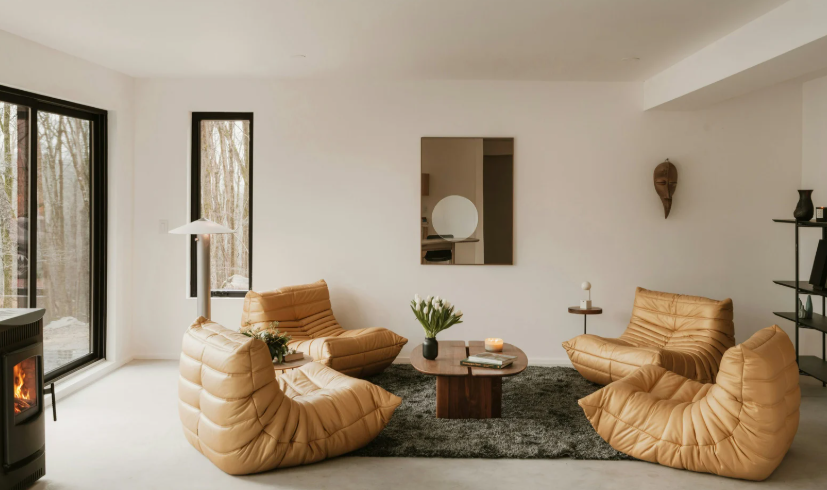
The modular lounge sofa exemplifies this balance between visual simplicity and functional depth. Its segmented form allows expansive seating without overwhelming the room, maintaining spatial openness while offering flexibility. Low-profile silhouettes and neutral upholstery tones integrate seamlessly into minimalist interiors. The result is furniture that supports visual calm while still providing comfort and adaptability for everyday living.
Storage integration further enhances visual minimalism. Modular furniture often incorporates concealed compartments, hidden storage, and seamless joins that reduce visible disorder. This allows living spaces to remain visually clean without sacrificing practicality. The absence of excess decoration shifts attention toward form, proportion, and spatial flow. Interiors feel curated rather than crowded, with each piece serving a clear purpose.
This approach transforms how people experience their homes. Clean interiors reduce sensory overload and create environments that feel restorative rather than stimulating. Visual simplicity supports mental clarity, emotional calm, and daily focus. Modular design makes this lifestyle sustainable by ensuring that minimalism is not rigid or restrictive. Spaces remain flexible, adaptable, and responsive to change while preserving aesthetic order. In this way, modular furniture becomes a foundation for modern minimalist living, offering both beauty and balance without excess.
Family-Centric Modular Layouts
Modern family homes demand flexibility that supports multiple lifestyles, routines, and age groups within a single space. Modular furniture responds to this need by allowing living areas to transform throughout the day. A single room may function as a play area in the morning, a workspace in the afternoon, and a relaxation zone in the evening. Modular layouts make this possible without constant rearrangement or disruption, creating homes that adapt naturally to family rhythms.
Multi-user design prioritizes accessibility and inclusivity. Children, adults, and older family members can use the same spaces comfortably through adaptable furniture configurations. Low seating modules, movable components, and reconfigurable layouts ensure that spaces remain functional for different physical needs and activity levels. Families are no longer required to separate spaces by age or purpose. Instead, shared environments evolve dynamically to accommodate everyone.
Safety and durability are essential in family-centric design. Modular furniture uses stable construction, soft-edge forms, and resilient materials that withstand daily activity. Washable fabrics, replaceable components, and durable finishes ensure long-term use without constant maintenance. These practical qualities allow families to focus on living rather than managing their environment. Furniture becomes supportive rather than restrictive.
Family-centric modular layouts also strengthen emotional connection within the home. Shared spaces encourage interaction, communication, and togetherness. Flexible configurations support both time and personal space without physical separation. Homes feel inclusive rather than segmented, adaptable rather than rigid. In this way, modular furniture does more than organize space. It shapes healthier family dynamics by creating environments that support connection, comfort, and shared experience across generations.
Final Conclusion
Modular furniture reflects a deeper transformation in how urban living spaces are designed, experienced, and valued. As cities grow denser and homes become more compact, flexibility has shifted from luxury to necessity. Modular systems offer a practical response by allowing interiors to evolve alongside changing lifestyles, routines, and needs. They create environments that adapt rather than constrain.
This shift supports more balanced living. Homes become responsive spaces that accommodate work, rest, social connection, and personal time within the same footprint. Modular furniture enables this balance through adaptable layouts, multifunctional design, and long-term durability. It removes the pressure to choose between beauty and practicality. Both can coexist naturally.
The long-term value of modular design lies in its sustainability. Furniture that adapts reduces waste, extends product life cycles, and supports responsible consumption. Instead of constant replacement, homeowners invest in systems that grow with them. This creates economic, environmental, and emotional continuity within living spaces.
As urban environments continue to evolve, modular furniture will remain central to how people shape their homes. It supports movement, comfort, clarity, and connection without excess. Flexible living is no longer a design trend. It is a foundational principle of modern urban life, redefining how people live, move, and feel within their spaces.
