

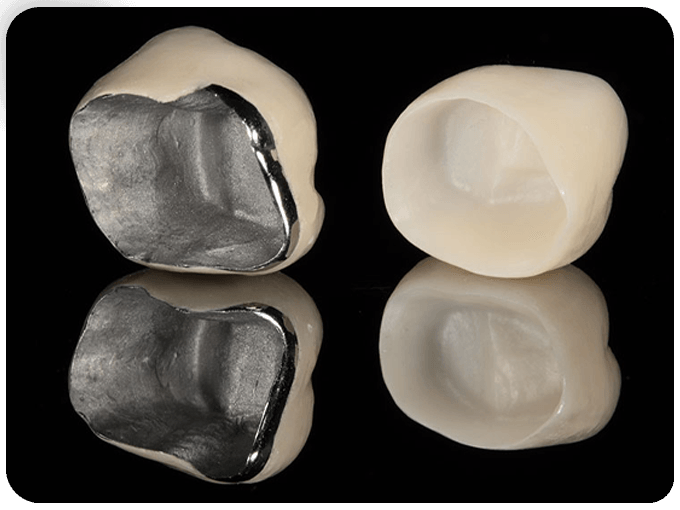
Porcelain Crowns: Aesthetics and Biocompatibility
Porcelain crowns are a popular choice, especially for front teeth, because they look so natural. They can be made to match the exact shade of your surrounding teeth, making your smile look seamless. Plus, porcelain is a material that your body generally accepts well, meaning it’s unlikely to cause allergic reactions or bother your gums. This makes porcelain crowns a good option for many people.
However, while they look great, porcelain crowns aren’t the toughest option out there. They can chip or crack if too much force is applied, so they might not be the best fit for back teeth that do a lot of heavy chewing. Dentists often recommend them for areas of the mouth that aren’t under constant, heavy pressure. It’s all about finding the right material for the job.
Porcelain crowns offer a beautiful, natural appearance and are well-tolerated by the body. They are a solid choice when aesthetics are a top priority, but patients should be mindful of their durability limitations, especially in high-stress areas of the mouth. Choosing porcelain means prioritizing a natural look.
Ceramic Crowns: A Balance of Appearance and Strength
Ceramic crowns are quite similar to porcelain in how they look. They also do a fantastic job of mimicking the natural color and translucency of your own teeth, making them another excellent choice for visible areas. Many people find that ceramic offers a nice middle ground – it looks good and is reasonably strong.
These crowns are also metal-free, which is a big plus for anyone concerned about metal allergies. They tend to be a bit more resilient than pure porcelain, offering a better balance between looking good and holding up to daily wear. Still, like porcelain, they can wear down over time, especially when compared to stronger materials.
Ceramic crowns are a good pick when you want a natural look without sacrificing too much strength. They provide a pleasing aesthetic while being a biocompatible option for those sensitive to metals. The balance they strike makes them a versatile choice for many dental restorations.
Metal Crowns: Unmatched Durability for Heavy Use
When it comes to sheer toughness, metal crowns are hard to beat. Typically made from alloys like gold, palladium, or even nickel and chromium, these crowns are incredibly strong. They can handle the intense forces of biting and chewing without chipping or breaking, making them ideal for molars and other teeth that take a lot of abuse.
Another advantage is that placing metal crowns often requires less removal of your natural tooth structure compared to other types. This means more of your original tooth is preserved. They also tend to be gentle on the teeth they bite against. However, their metallic color means they aren’t the best choice for highly visible areas of your smile.
Metal crowns are the go-to for durability and strength, especially for back teeth. Their ability to withstand heavy chewing forces and their conservative preparation requirements make them a practical, albeit less aesthetic, option for many patients. For maximum resilience, metal crowns are often the top consideration.
Exploring Advanced Crown Options
Zirconia Crowns: Strength Meets Natural Appearance
Zirconia crowns are a newer player in the dental crown game, and they’re making waves. Think of them as the tough guys with a surprisingly gentle touch. They’re made from a super strong ceramic material that’s almost as hard as metal, but they look like natural teeth. This makes them a great choice for back teeth that do a lot of heavy lifting when you chew, but also for front teeth where appearance matters. Zirconia is also pretty biocompatible, meaning your gums and body usually get along with it just fine.
One of the big pluses with zirconia is its strength. It’s really hard to chip or break, which is a big deal if you’re prone to grinding your teeth or if you just want a crown that’s going to last. Plus, they can be made pretty thin, which means the dentist might not have to remove as much of your natural tooth structure to get a good fit. This is always a good thing, right? Keeping more of your own tooth is usually the best-case scenario.
Zirconia offers a fantastic blend of durability and aesthetics, making it a top-tier choice for many patients seeking a long-lasting and natural-looking restoration.
Porcelain-Fused-to-Metal Crowns: Combining Benefits
These crowns are like a team-up of two materials, porcelain and metal. The idea is to get the best of both worlds. You get the strength and durability of the metal core, which is great for holding up under pressure, and then a layer of porcelain on the outside that gives it a natural tooth color. This was a really popular option for a long time because it offered a good balance for many situations.
Porcelain-fused-to-metal crowns can look quite good, especially when they’re done well. The porcelain can be shaded to match your other teeth, so they don’t stand out like a sore thumb. However, there’s a small catch. Sometimes, the metal layer can show through the porcelain over time, especially if the gum line recedes a bit. This can create a darker line at the gum edge, which isn’t always the most attractive look. Also, the porcelain part can still chip, just like a regular porcelain crown.
Composite Resin Crowns: An Affordable Alternative
If you’re looking for a more budget-friendly option, composite resin crowns might be worth considering. These are made from a type of plastic material that dentists often use for fillings. They can be shaped and colored to match your natural teeth, so they don’t look too out of place. They’re a good choice for people who are sensitive to metal or porcelain, or if you just need a temporary fix.
However, composite resin crowns aren’t as strong or as long-lasting as some of the other materials out there. They can wear down more quickly, and they’re more prone to chipping or breaking, especially if they’re on a tooth that takes a lot of force when you chew. So, while they’re a good affordable alternative, they might not be the best pick for back teeth or for people who are really hard on their teeth. It’s all about weighing the pros and cons for your specific needs.
Key Considerations When Choosing Dental Crowns
Picking the right dental crown material involves looking at a few important things. It’s not just about how it looks, but also how it will hold up over time and fit with your lifestyle. Thinking about these points helps make sure you get a crown that works best for you.
Tooth Location and Visibility
The spot in your mouth where the crown will go matters a lot. For front teeth that show when you smile or talk, appearance is usually the top priority. Materials like porcelain and ceramic are great here because they can be matched to your natural tooth color, making them look very real. On the other hand, back teeth, like molars, deal with a lot of chewing force. For these, durability often trumps looks. Metal or zirconia crowns are often better choices for these less visible but harder-working teeth.
Durability and Chewing Forces
How much stress will the crown be under? This is a big question. If you grind your teeth or eat a lot of tough foods, you need a material that can handle it. Metal crowns are known for their toughness and rarely chip or break. Zirconia is another strong option that’s becoming more popular. Porcelain, while beautiful, can be more prone to chipping, especially under heavy chewing forces. The durability of the material directly impacts how long the crown will last and how well it will function.
Aesthetic Preferences and Smile Design
What do you want your smile to look like? Your personal preferences play a significant role. Some people want their crown to be completely unnoticeable, blending in perfectly with their natural teeth. For them, porcelain or all-ceramic options are usually the way to go. Others might not be as concerned with the exact shade or translucency, especially if the crown is in the back of their mouth. It’s about finding a balance between function and the look you want for your smile. Your dentist can help you visualize the outcome based on different materials.
Material Properties and Patient Needs
Biocompatibility and Allergy Concerns
When picking a dental crown, how your body reacts to the material matters a lot. Some folks have sensitivities or outright allergies to certain metals. This is where biocompatibility comes into play. Materials like all-porcelain or ceramic are generally well-tolerated, meaning they’re less likely to cause irritation or a reaction in your gums or body. It’s a big deal for comfort and long-term health.
For those with known metal allergies, choosing a crown material that avoids metals altogether is key. Full porcelain or ceramic crowns are often recommended in these cases. They offer a natural look without the risk of an allergic response. Discussing any known allergies with your dentist beforehand is a smart move to avoid potential issues down the line.
Tooth Preparation Requirements
Getting a crown ready involves shaping the tooth underneath. Different crown materials need different amounts of tooth removal. For instance, metal crowns are super strong, so they often need less tooth structure to be shaved off. This means more of your natural tooth is preserved, which is a plus.
On the other hand, materials like porcelain, while beautiful, can be a bit more fragile. They might require more tooth preparation to make sure there’s enough space for the crown and to give it a solid base. This is something your dentist will assess based on the specific material and your tooth’s condition.
Longevity and Wear Resistance
How long will your crown last, and how well will it hold up to daily use? That’s where longevity and wear resistance come in. Metal crowns, for example, are known for their toughness. They can handle heavy chewing forces without much trouble, making them a good pick for back teeth where the pressure is highest. They tend to last a very long time.
Porcelain and ceramic crowns look great, but they can be more prone to chipping or wearing down over time, especially if you grind your teeth. While advancements have made them stronger, it’s still a factor to consider. The best choice often balances how long the crown will last with how it looks and feels.
Comparing Popular Dental Crown Choices
When it comes to dental crowns, picking the right material can feel like a big decision. You’ve got a few main players, each with its own strengths and weaknesses. Let’s break down some of the most common choices to help you figure out what works best for your smile.
Metal vs. Porcelain Crowns: A Detailed Comparison
Metal crowns, often made from gold or other alloys, are known for their sheer toughness. They can handle serious chewing and biting without a fuss, making them a solid pick for back teeth where durability is key. Plus, they usually need less of your natural tooth removed to fit. On the flip side, their metallic look isn’t exactly subtle, which is why they’re not usually the first choice for front teeth. Porcelain crowns, however, shine when it comes to looks. They can be matched to your natural tooth color, blending in beautifully. They’re great for visible areas. But porcelain isn’t as tough as metal and can chip or crack under heavy force. So, while porcelain offers great aesthetics, metal crowns win on pure resilience.
Ceramic vs. Porcelain: Subtle Differences
Ceramic and porcelain crowns are often grouped together because they both offer excellent natural appearance. Which is why many patients considering dental crowns or crowns look at all-ceramic options first for lifelike color and light reflection. Both can be shaded to match your existing teeth, making them ideal for smiles where aesthetics are a top priority. Ceramic tends to be a bit stronger and more resistant to wear than traditional porcelain. This means a ceramic crown might hold up a little better over time, especially if you tend to grind your teeth. However, both ceramic and porcelain are generally less robust than metal options. The choice between ceramic and porcelain often comes down to the specific type of ceramic used and the dentist’s recommendation based on your bite and where the crown will be placed. For front teeth, both ceramic and porcelain are fantastic aesthetic choices.
Gold Crowns: A Durable and Gentle Option
Gold crowns have been around for a long time, and for good reason. They’re incredibly durable, resisting wear and tear from chewing and grinding exceptionally well. Gold is also quite gentle on opposing teeth, meaning it’s less likely to cause damage to the teeth it bites against. Another plus is that gold crowns often require less removal of the natural tooth structure during preparation, which helps preserve more of your healthy tooth. While their appearance is distinctly metallic and not always preferred for visible areas, their longevity and biocompatibility make them a strong contender, especially for molars. Many patients find that gold crowns offer a comfortable and long-lasting solution.
Wrapping Up Your Crown Choice
So, picking the right material for a dental crown really comes down to what you need. If looking good is your top priority, especially for teeth you see when you smile, porcelain or ceramic are great choices. They look natural. But if you need something super tough for chewing, especially for back teeth, metal or zirconia might be a better bet. They hold up better to pressure. Sometimes, a mix, like porcelain fused to metal, can give you a bit of both worlds – strength and looks. The most important thing is to chat with your dentist. They can look at your specific situation, like where the tooth is, how you bite, and any allergies you might have, and help you figure out the best material for your smile and your health. It’s not a one-size-fits-all deal, so talking it through is key.
