

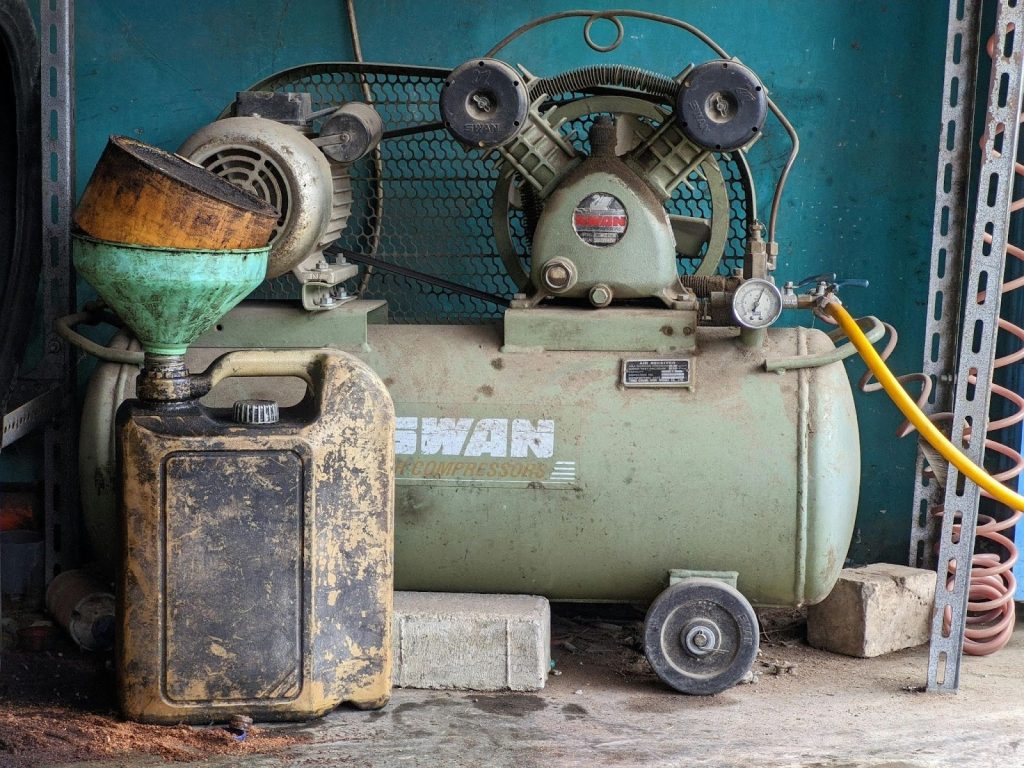
Photo by Eky Rima Nurya Ganda: https://www.pexels.com/photo/vintage-air-compressor-with-oil-can-in-workshop-31095182/
In the world of industrial operations and home maintenance, the reliability of your equipment determines the efficiency of your workflow.
Whether you are managing a high-output manufacturing facility or ensuring a household remains warm through a Canadian winter, consistent maintenance is the thin line between seamless productivity and costly emergency repairs. Neglecting heavy machinery or climate control systems leads to premature wear, energy inefficiency, and safety hazards.
To help you protect your investments, we have compiled eight expert tips for maintaining some of the most critical hardware in your inventory: air compressors, furnaces, and professional-grade tools.
1. Monitor Fluid Levels and Filtration
For industrial pneumatic systems, lubrication is the lifeblood of the machine. This is especially true for rotary screw air compressors, which rely on a continuous film of oil to seal the rotors and dissipate heat. Check oil levels daily. Check the manufacturer’s schedule and replace the filters accordingly. Clogged filters force the motor to work harder, increasing energy consumption and the risk of internal overheating.
2. Prioritize Seasonal Furnace Inspections
A furnace rarely fails at a convenient time; it usually breaks down during the peak of a cold snap when the system is under maximum stress. Homeowners and property managers should schedule professional inspections annually. If you find yourself facing an unexpected outage, seeking professional assistance like this furnace repair in Pickering can ensure that your heat exchanger, blower motor, and thermostat are calibrated correctly to avoid future disruptions.
3. Clean and Replace Air Filters Regularly
Both furnaces and air compressors “breathe” vast amounts of air. In a furnace, a dirty filter restricts airflow, causing the system to cycle too frequently (short-cycling) and damaging the limit switch. In a compressor, particulate matter entering the intake can score internal cylinders. A simple monthly check of your filters can extend the lifespan of your equipment by years.
4. Manage Moisture and Drainage
Compression naturally creates condensation. If water is allowed to sit in an air tank or within the lines of a high-efficiency furnace, it leads to corrosion and microbial growth. For air compressors, ensure that manual or automatic tank drains are functioning correctly. For furnaces, check the condensate lines and pumps to ensure there are no blockages that could lead to water damage or system shutdowns.
5. Inspect Belts and Tension
Many older compressors and furnace blower motors utilize belt-driven systems. Over time, these belts can fray, crack, or lose tension. A slipping belt reduces the CFM (cubic feet per minute) output of a compressor and the CFM of air moving through a home. Inspect belts for “glazing” (a shiny appearance) and replace them at the first sign of wear to prevent a total mechanical failure.
6. Maintain Professional Welding and Power Tools
High-end tools require specific care to maintain their precision. If you are using professional welding equipment, it is vital to source your consumables and parts from a reputable miller supplier to ensure compatibility and durability. Keeping welding torches clean and ensuring that power cables are free of nicks or exposed wiring is essential for both performance and operator safety.
7. Calibrate Controls and Thermostats
Precision is key to efficiency. For furnaces, a calibrated thermostat ensures you aren’t overworking the burner. For compressors, the pressure switch must be set to the lowest functional pressure required for your tools. Running a compressor at 125 PSI when your tools only require 90 PSI wastes significant amounts of electricity and accelerates the wear on gaskets and seals.
8. Keep a Detailed Maintenance Log
The most overlooked aspect of equipment care is documentation. By keeping a log of when oil was changed, when a furnace was last serviced, or when a tool was recalibrated, you can identify patterns of failure. A log helps you transition from “reactive” maintenance (fixing things when they break) to “predictive” maintenance (replacing parts before they fail).
Takeaways
Investing time into these eight areas will yield significant returns in the form of lower utility bills, fewer emergency service calls, and a safer working environment.
Whether you are draining the tanks on your compressors or ensuring your furnace is ready for the winter, a proactive approach is always more cost-effective than a replacement.
When you’re choosing quality parts and professional service providers, you ensure that your tools and systems remain ready for the task at hand.
