

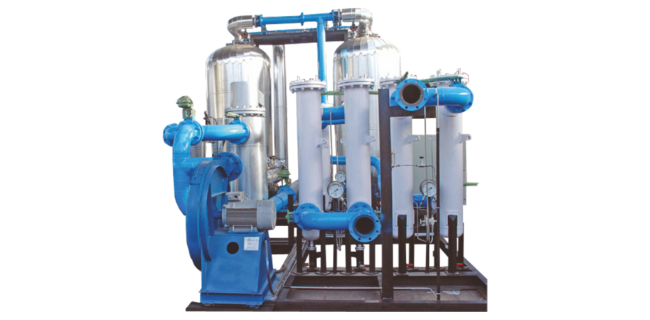
Industrial facilities rely heavily on compressed air systems for smooth production and equipment efficiency. However, compressed air often contains moisture that can affect equipment performance, reduce efficiency, and cause operational disruptions. A reliable air drying system helps maintain the quality of compressed air and supports consistent industrial processes. One advanced solution used across industrial environments is the blower reactivated desiccant air dryer.
A blower reactivated desiccant air dryer is designed to remove moisture from compressed air using adsorption technology. It uses a separate blower to regenerate the desiccant material without consuming large amounts of compressed air. This approach improves energy efficiency and ensures stable performance for industrial air systems. Many industries prefer this type of dryer because it delivers low dew point air while reducing operational losses. The design supports large compressed air systems that require continuous moisture control.
Introduction to Blower Reactivated Desiccant Air Dryers
Why Compressed Air Drying Is Critical in Industrial Systems
Compressed air used in industrial environments contains moisture that forms during the compression process. If this moisture is not removed, it can accumulate in pipelines, valves, and sensitive equipment. Moisture can also affect product quality and reduce the lifespan of air system components. This is why air drying systems are essential in modern compressed air networks.
Proper air drying improves reliability and protects downstream equipment. A desiccant air dryer removes water vapor from compressed air to maintain consistent air quality. Industrial operations often require extremely dry air to maintain stable processes and equipment protection.
Key reasons compressed air drying is important include:
- Prevents corrosion in air pipelines and system components
- Protects pneumatic tools and control instruments
- Maintains consistent air quality for production systems
- Reduces maintenance and operational disruptions
- Improves efficiency of compressed air distribution networks
What Makes Blower Reactivated Desiccant Air Dryers Different
Blower reactivated desiccant air dryers are known for their energy efficient design and high capacity drying capability. Unlike some other dryer types, they use ambient air through a blower to regenerate the desiccant bed. This process eliminates the need to use compressed air for regeneration, which reduces energy losses.
The design supports continuous operation and is suitable for large compressed air systems that demand reliable moisture removal. The dryer operates through an adsorption and regeneration cycle that maintains consistent dew point levels in industrial environments.
Companies such as Delair India Pvt Ltd manufacture advanced air treatment equipment designed to support industrial compressed air systems with reliable and energy efficient drying technology.
What Is a Blower Reactivated Desiccant Air Dryer?
Definition and Basic Concept
A blower reactivated desiccant air dryer is an industrial air drying system that removes moisture from compressed air using a desiccant material. The desiccant has the ability to adsorb water vapor from the air stream. Once the desiccant becomes saturated, it must be regenerated so it can continue removing moisture.
The regeneration process in this dryer uses a dedicated blower that circulates heated air through the desiccant bed. This removes the accumulated moisture and restores the drying capability of the desiccant. Because compressed air is not used for regeneration, the system maintains higher energy efficiency.
Key Components of a Blower Reactivated Desiccant Dryer
A blower reactivated desiccant air dryer consists of several essential components that work together to maintain air quality. These components ensure stable performance and efficient moisture removal in industrial systems.
Key components include:
- Desiccant towers for adsorption and regeneration cycles
- Industrial blower used for regeneration airflow
- Heater element to increase regeneration temperature
- Control system for cycle management and monitoring
- Valves that regulate airflow between towers
Each component contributes to the efficient removal of moisture and ensures the dryer operates continuously in demanding industrial environments.
Role of Desiccant in Moisture Removal
Desiccant materials are specially designed substances that attract and hold water vapor. When compressed air passes through the desiccant bed, moisture molecules are captured on the surface of the desiccant particles. This process is known as adsorption.
Over time, the desiccant becomes saturated and requires regeneration to restore its drying capacity. The blower reactivation process removes moisture from the desiccant and prepares it for the next drying cycle. This continuous cycle allows the dryer to maintain stable air quality in compressed air systems.
Blower Reactivated Desiccant Air Dryer Working Principle
Adsorption Process in Desiccant Dryers
The adsorption process begins when compressed air enters the drying tower. The air flows through the desiccant material, which captures water vapor and removes moisture from the air stream. As the air leaves the tower, it becomes dry and suitable for industrial use.
The adsorption stage continues until the desiccant bed approaches saturation. At that point, the system switches to the regeneration phase to restore the drying capability of the desiccant.
How the Blower Reactivation Process Works
The regeneration phase is where the blower reactivated design provides a significant advantage. Instead of using compressed air for regeneration, the dryer uses ambient air supplied by a blower. The blower pushes heated air through the saturated desiccant bed to remove accumulated moisture.
Important steps in the regeneration process include:
- Ambient air is drawn into the blower
- The air passes through a heating element
- Heated air flows through the desiccant bed
- Moisture is removed and carried away with the exhaust air
This method reduces compressed air losses and improves overall system efficiency.
Drying and Regeneration Cycle Explained
A blower reactivated desiccant air dryer normally operates with two drying towers. While one tower performs the adsorption process, the other tower undergoes regeneration. This dual tower configuration allows continuous air drying without interrupting the compressed air supply.
Once regeneration is complete, the towers switch roles. The regenerated tower becomes active for adsorption while the other tower enters regeneration mode. This cycle repeats continuously to maintain consistent dew point levels in the compressed air system.
Key Advantages of Blower Reactivated Desiccant Air Dryers
Energy Efficiency Compared to Other Dryer Types
Blower reactivated dryers are widely recognized for their ability to reduce energy consumption. By eliminating the need for compressed air during regeneration, the system prevents unnecessary energy loss.
Energy efficiency is achieved through:
- Reduced purge air consumption
- Optimized regeneration airflow
- Efficient heating and control systems
- Stable drying performance at high capacities
These benefits make blower reactivated dryers a preferred option for large industrial air systems.
Lower Operating Costs and Reduced Purge Air Loss
Operational cost reduction is another major advantage of this dryer technology. Because compressed air is not used for regeneration, the system avoids the loss of valuable compressed air.
This improves overall system efficiency and reduces operating costs over time. Industrial facilities benefit from lower energy consumption while maintaining reliable moisture removal performance.
Reliable Performance in Continuous Industrial Operations
Industrial production often requires uninterrupted compressed air supply. Blower reactivated desiccant air dryers are designed for continuous operation with stable dew point control. Their dual tower design ensures that the drying process continues even during regeneration cycles.
The system provides dependable moisture removal for high capacity compressed air systems. In some air treatment setups, additional equipment such as a low pressure industrial dryer may also be used depending on system requirements and operating conditions.
Industrial Applications of Blower Reactivated Desiccant Air Dryers
Manufacturing and Process Industries
Manufacturing environments require stable compressed air quality to maintain efficient production processes. Moisture free air supports equipment performance and helps maintain operational stability across production lines.
Pharmaceutical and Food Processing Plants
Industries that require strict air quality control often use desiccant dryers to maintain extremely dry compressed air. Controlled air quality supports hygiene standards and prevents moisture related issues within production systems.
Power Plants and Heavy Engineering Facilities
Power plants and heavy engineering environments rely on compressed air systems for various operational processes. Reliable air drying helps protect equipment and ensures long term system efficiency.
Common industrial sectors using blower reactivated desiccant air dryers include:
- Automotive manufacturing
- Chemical processing plants
- Electronics manufacturing facilities
- Power generation plants
- Heavy engineering industries
When Should Industries Choose a Blower Reactivated Desiccant Air Dryer?
Situations Where Ultra Dry Air Is Required
Industries that require extremely low moisture levels in compressed air systems often select desiccant dryers. These dryers are capable of achieving very low dew point temperatures, which helps maintain stable air quality in critical operations.
High Capacity Compressed Air Systems
Blower reactivated dryers are suitable for large industrial facilities with high compressed air demand. Their energy efficient design helps manage large airflow volumes while maintaining effective moisture removal.
Energy Optimization in Industrial Facilities
Many organizations aim to improve energy efficiency across industrial systems. Choosing an energy efficient air dryer can significantly reduce energy consumption within compressed air networks.
Key Factors to Consider When Selecting an Industrial Compressed Air Dryer
Required Dew Point Levels
The required dew point level determines the type of dryer needed for a compressed air system. Desiccant dryers are often selected when extremely dry air is required for industrial processes.
Air Flow Capacity and System Pressure
The size and pressure rating of the compressed air system also influence dryer selection. Industrial facilities must ensure the dryer can handle the required airflow without affecting system performance.
Energy Consumption and Maintenance Needs
Energy efficiency and maintenance requirements are important factors when selecting an air dryer. A well designed dryer system helps maintain consistent air quality while minimizing operational costs.
Conclusion
A blower reactivated desiccant air dryer is a highly efficient solution for removing moisture from compressed air in industrial environments. Its advanced design uses adsorption technology combined with blower based regeneration to deliver stable and energy efficient air drying performance. This system helps maintain consistent dew point levels while preventing moisture related problems in compressed air systems.
Industries that require reliable air quality often choose this dryer type because it supports high capacity operations and reduces compressed air losses. Its dual tower configuration ensures continuous operation and consistent moisture removal in demanding industrial conditions.
Selecting the right air dryer plays a critical role in maintaining system efficiency and protecting equipment. Organizations seeking reliable air treatment solutions can contact Delair India Pvt Ltd to explore advanced compressed air drying technologies designed for industrial applications.
FAQs
1. What is a blower reactivated desiccant air dryer?
A blower reactivated desiccant air dryer is an industrial air drying system that removes moisture from compressed air using desiccant material and a blower based regeneration process.
2. How does a blower reactivated desiccant air dryer work?
The dryer uses adsorption to capture moisture in a desiccant bed. During regeneration, a blower pushes heated air through the desiccant to remove stored moisture.
3. What are the advantages of blower reactivated desiccant dryers?
These dryers offer energy efficiency, reduced compressed air loss, reliable moisture removal, and stable performance for high capacity industrial compressed air systems.
4. Where are blower reactivated desiccant air dryers used?
They are commonly used in manufacturing, power generation, chemical processing, electronics production, and other industrial environments that require dry compressed air.
5. How do industries select the right compressed air dryer?
Industries consider factors such as dew point requirements, airflow capacity, system pressure, energy efficiency, and maintenance requirements when selecting an air dryer.
