

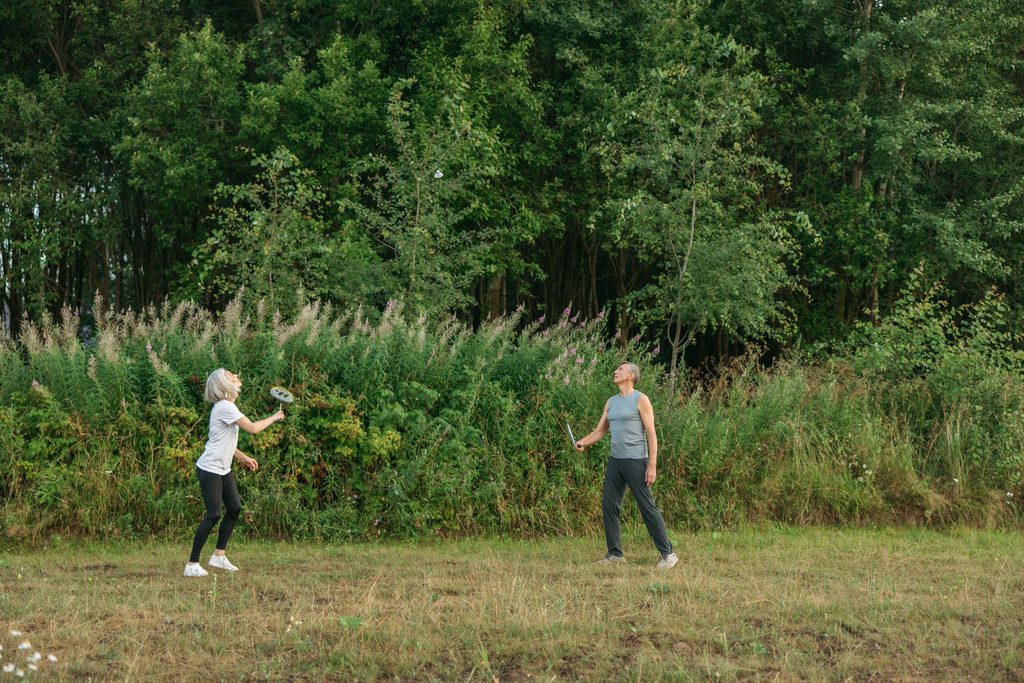
There’s a persistent misconception that slowing down is the natural goal of retirement, but for a lot of people, the opposite ends up being true. An active independent living lifestyle has become increasingly popular among retirees who want to stay engaged, social, and physically capable well into their later years, without sacrificing the freedom and autonomy that matters so much to them. Rather than settling into a passive routine, many retirees are discovering that staying active, both physically and socially, actually makes this stage of life feel more fulfilling than ever. Here’s a closer look at why this lifestyle has resonated with so many people.
Physical Health Benefits That Compound Over Time
Staying physically active during retirement does far more than simply pass the time, it genuinely supports long term health in ways that compound significantly over the years. Regular movement, whether through structured fitness classes, walking groups, or simple daily activity, helps maintain mobility, balance, and cardiovascular health as the body ages. Communities built around an active lifestyle often make this easier by offering accessible fitness amenities and organized group activities right on site, removing common barriers like motivation or convenience that can otherwise get in the way. Over time, these consistent habits tend to reduce the risk of falls, chronic disease, and the kind of physical decline that can quietly limit independence later on.
Mental Sharpness and Cognitive Engagement
An active lifestyle isn’t just about physical movement, it also plays a meaningful role in maintaining cognitive health during retirement. Engaging regularly in social activities, learning new skills, and staying mentally stimulated through classes, games, or hobbies has been linked to better cognitive function and a reduced risk of cognitive decline over time. Retirees who stay actively engaged, rather than settling into a passive daily routine, often report feeling sharper and more mentally present, which contributes significantly to overall quality of life. This kind of ongoing mental engagement tends to have a ripple effect, supporting confidence, independence, and a stronger sense of purpose as well.
Social Connection as a Core Part of Daily Life
Isolation is one of the more serious risks associated with aging, and an active independent living lifestyle directly addresses this by weaving social connection into everyday routines rather than leaving it up to chance. Shared meals, group outings, and organized events naturally create opportunities for meaningful interaction, making it far easier to build and maintain friendships compared to living in a more isolated setting. Communities offering independent Living with supportive services** in Arlington Plaza have built their entire approach around this idea, combining helpful daily support with an environment designed to encourage genuine social engagement among residents. This kind of built in connection tends to have a noticeable impact on emotional wellbeing, often more than people expect going in.
Maintaining Independence Without Sacrificing Support
One of the biggest draws of an active independent living lifestyle is the balance it strikes between autonomy and support. Residents maintain control over their own daily schedules, choices, and routines, while still having access to helpful services and amenities that make everyday life more convenient. This middle ground appeals to a lot of retirees who aren’t looking for the level of care associated with more intensive senior living options, but who do appreciate having support available for things like meal preparation, transportation, or general household logistics. The result is a lifestyle that feels genuinely independent, without the burden of managing every single responsibility entirely alone.
A Renewed Sense of Purpose and Routine
Beyond the physical and social benefits, an active lifestyle in retirement often brings a renewed sense of purpose that can be harder to find in a more sedentary daily routine. Structured activities, volunteer opportunities, and regular social engagement give days a sense of shape and meaning, which many retirees find surprisingly important for overall satisfaction. Rather than each day blending into the next without much distinction, an active lifestyle tends to create a rhythm that feels intentional and fulfilling, helping retirees feel genuinely engaged with their own lives rather than simply passing time.
Final Thoughts
An active independent living lifestyle offers far more than just a way to stay busy during retirement, it supports physical health, mental sharpness, social connection, and a genuine sense of purpose all at once. By striking the right balance between independence and support, this approach allows retirees to maintain autonomy while still benefiting from a community built around engagement and wellbeing. For many, this lifestyle ends up being one of the most rewarding and fulfilling ways to spend their later years.
