

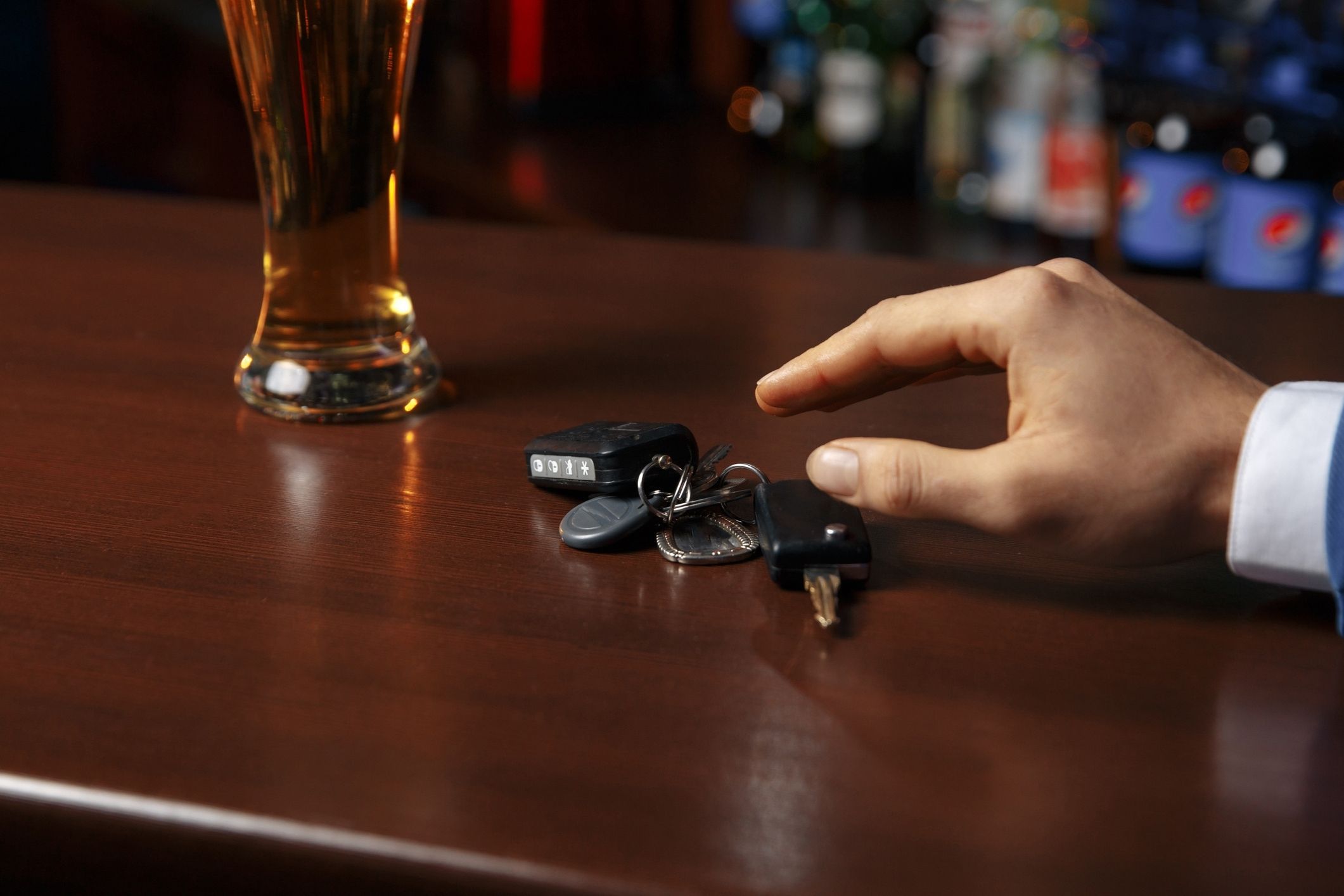
Every weekend across Texas, bartenders make hundreds of judgment calls about when to stop serving a customer. Most of those calls are routine. But when one of those customers walks out the door, gets behind the wheel, and causes a crash, the legal consequences can reach back through the door and land directly on the business that kept filling the glass.
This is the core of dram shop liability in Texas, and it’s something every bar owner, restaurant manager, and hospitality professional should understand thoroughly before a problem arises, not after.
What Is the Texas Dram Shop Act?
The term “dram shop” traces back to 18th-century England, where taverns sold spirits by the dram, a small unit of liquid measurement. In modern Texas law, the phrase refers to any licensed business that sells or serves alcohol, including bars, nightclubs, restaurants, and even sports venues.
Texas dram shop liability is governed by the Texas Alcoholic Beverage Code, Sections 2.01 through 2.03. The critical provision is Section 2.02, which establishes the legal standard for when an alcohol provider can be held financially responsible for the harm caused by an intoxicated patron after leaving the premises.
The law is direct: if a business serves alcohol to a person who is obviously intoxicated to the point of presenting a clear danger to themselves or others, and that intoxication causes injury or death, the business can be named as a defendant in a civil lawsuit.
This does not require the establishment to have intended harm. Negligence is enough.
The “Obviously Intoxicated” Standard: Where Does Normal Service End?
One of the most debated questions in dram shop cases is exactly where the line sits between normal service and legally negligent over-service. Texas courts have consistently focused on visible, observable signs of intoxication, not just the number of drinks consumed.
Signs that courts and juries typically weigh include:
- Slurred speech
- Loss of balance or stumbling
- Glassy or bloodshot eyes
- Belligerent or erratic behavior
- Difficulty communicating or following conversation
- Vomiting on or near the premises
- Falling asleep at the bar
The key word in the statute is “obviously.” A server is not expected to run a breathalyzer test. However, they are expected to use common sense and stop service when impairment becomes visible.
Practical scenario 1: A customer arrives, orders four drinks over two hours, remains conversational and steady on his feet. He drives home and rear-ends another vehicle. This scenario is unlikely to support a successful dram shop claim because the signs of danger were not obvious to a reasonable server.
Practical scenario 2: A customer has been at the bar for three hours. She is loud, stumbling when she goes to the restroom, and knocking over her drink. The bartender continues serving her and even comps a round. She gets into her car and causes a serious crash. This is exactly the scenario the Texas Dram Shop Act was written to address.
The distinction matters because proving liability requires showing that the establishment served someone in the second scenario, not just someone who later turned out to have been drinking.
Who Can Be Held Liable Under Texas Law?
Dram shop liability extends beyond the bartender who poured the last drink. Any business licensed or permitted to sell or serve alcohol in Texas can face a lawsuit, including:
- Bars and nightclubs
- Full-service restaurants
- Hotels and country clubs
- Liquor stores (in limited circumstances)
- Sports stadiums and entertainment venues
It is worth noting that social host liability in Texas works differently. Private individuals who host parties and serve alcohol to adult guests generally cannot be sued under the Dram Shop Act. The one significant exception involves minors: an adult who knowingly provides alcohol to someone under 18 who is not their own child can face civil liability if that minor causes harm.
For businesses, however, the standard is straightforward. If you hold a Texas alcohol license or permit and you overserve a visibly intoxicated patron, your business faces exposure.
The Safe Harbor Defense: Protection for Responsible Businesses
Texas law does give alcohol-serving businesses a path to avoid liability, but it requires proactive effort, not just good intentions after the fact.
The Safe Harbor Defense, found in Texas Alcoholic Beverage Code Section 106.14, protects a business if it can demonstrate all three of the following:
- The business required its employees to attend a TABC-approved seller/server training program.
- The employee who overserved the patron actually completed that training.
- The business did not encourage or incentivize employees to overserve, whether directly (verbal instructions) or indirectly (sales contests based on drink volume, tip-sharing arrangements that reward overservice, etc.).
If all three elements are met, the establishment may avoid liability even if a customer later causes a crash. However, the burden of proving the first two elements rests with the business. And critically, this defense evaporates if management was creating conditions that pushed staff toward overserving.
Courts have found that setting aggressive drink-sales quotas, rewarding bartenders who move the most volume, or failing to discipline employees with a history of overserving can all strip away the Safe Harbor protection.
By the Numbers: The Scale of the Problem in Texas
The statistics behind dram shop claims illustrate why this area of law has grown in importance for both the hospitality industry and personal injury attorneys.
- According to the Texas Department of Transportation (TxDOT), alcohol-related crashes resulted in 1,053 fatalities in Texas in 2024 alone. (TxDOT Crash Statistics, 2024)
- The National Highway Traffic Safety Administration (NHTSA) reports that Texas’s drunk driving fatality rate sits at approximately 40% of all traffic deaths, well above the national average of roughly 30%. (NHTSA Traffic Safety Data)
- TxDOT data shows that on average, Texas experienced approximately 65 alcohol-related crashes every single day in 2023. (TxDOT Drive Sober Campaign)
- In 2022, 1,162 people died in drunk driving crashes in Texas, according to NHTSA data. (The Callahan Law Firm, citing NHTSA 2022)
These numbers are not abstract. Each one represents someone who may have a viable legal claim against the establishment that served the driver before the crash, and a business whose legal and financial exposure may be substantial.
Dram shop verdicts and settlements in Texas reflect this reality. One notable Texas case resulted in a $301 billion jury verdict against a bar whose patron killed two people in a drunk driving crash. While such figures are rare, even mid-range settlements in these cases can reach hundreds of thousands or millions of dollars, threatening the financial survival of a small hospitality business.
People Also Ask: Common Questions About Texas Dram Shop Liability
Can I sue a bar if a drunk driver hit me in Texas?
Yes. If a bar or restaurant served alcohol to the driver when they were visibly intoxicated, you may have a dram shop claim against that establishment in addition to a personal injury claim against the driver. These claims can be pursued simultaneously.
What evidence do I need to win a dram shop case in Texas?
Winning requires showing that the establishment served a visibly intoxicated person who then caused harm. Useful evidence includes surveillance footage from inside and outside the bar, bartender and witness testimony, bar receipts showing the number of drinks served, credit card records, and expert toxicology reports that calculate the patron’s likely blood alcohol level at the time of service.
Does Texas law require bars to cut off drunk customers?
Yes. Under the Texas Alcoholic Beverage Code, licensed establishments are prohibited from serving alcohol to anyone who is obviously intoxicated. Continuing to serve such a person is a violation of the law and the foundation of a dram shop lawsuit.
How long do I have to file a dram shop claim in Texas?
Texas applies a two-year statute of limitations to dram shop claims, measured from the date of the injury. It is critical to speak with an attorney as quickly as possible, since evidence such as surveillance footage is often erased within days.
What is the Safe Harbor Defense in Texas?
The Safe Harbor Defense is a protection available to bars and restaurants that required employees to complete TABC-certified training and did not encourage overserving. If a business can prove all three elements of this defense, it may avoid liability even when a crash occurs. The burden of proof for most elements falls on the establishment.
What Victims Need to Know About Pursuing a Dram Shop Claim
If you or someone you love was injured by a drunk driver, the investigation should not stop with the driver alone. Identifying whether an alcohol-serving establishment contributed to the crash can open an additional avenue for compensation, which matters significantly when the driver has insufficient insurance or limited personal assets.
Here is what the process typically looks like:
Step 1: Preservation of evidence. An attorney can send a litigation hold letter to the bar or restaurant, requiring them to preserve surveillance footage, point-of-sale records, and employee schedules before they are routinely overwritten or deleted.
Step 2: Gathering witness accounts. Other patrons, bartenders, waitstaff, and bouncers may have observed the driver’s condition before they left. These accounts can be powerful, particularly if corroborated by video.
Step 3: Toxicology and expert analysis. A forensic toxicologist can work backward from the driver’s blood alcohol content at the time of the crash to estimate how much they were drinking and over what period, helping establish when the bar should have stopped serving.
Step 4: Examining business practices. Discovery in a dram shop lawsuit can reveal whether the establishment had written responsible-service policies, whether staff were actually trained, and whether management created incentives that encouraged overserving.
Many of the most significant outcomes in drunk driving accident claims in Texas have involved establishments where the pattern of overserving was not an isolated incident but a reflection of how the business operated. Understanding how courts have handled drunk driving accident claims Texas can give victims and their attorneys a clearer picture of what compensation may be available and what proving a claim realistically requires.
What Bar and Restaurant Owners Should Do Right Now
For hospitality businesses, the risk is real but manageable with the right practices in place.
Invest in TABC certification seriously.
The certification requirement for the Safe Harbor Defense must be genuine and documented. Simply having a certificate on file is not enough if staff were not actually trained or if the training is years out of date.
Establish clear written policies.
A written responsible-service policy that specifies when to stop serving, how to handle an intoxicated guest, and how to contact emergency services or arrange a safe ride creates both a legal record and a culture of accountability.
Eliminate incentives to overserve.
If your tip structure, sales goals, or shift rewards encourage staff to sell more drinks without regard for patron condition, you have likely eliminated your ability to use the Safe Harbor Defense.
Train staff to document and communicate.
If a staff member cuts off a customer, that should be logged. If a customer is visibly impaired, other staff should know. A brief, contemporaneous record can be invaluable if a claim is filed weeks later.
Arrange alternatives for impaired guests.
Partnering with rideshare services, posting information about safe ride programs, and training staff to gently encourage alternatives can reduce liability exposure and, more importantly, prevent tragedies.
Final Thoughts: The Business Case for Responsible Service
Dram shop liability in Texas is not just a legal abstraction. It is a real financial and reputational risk that has ended businesses and resulted in multi-million-dollar verdicts against establishments that could have prevented the harm with better training and clearer standards.
For injury victims, dram shop law offers a path to justice beyond the driver alone. The history of dram shop liability cases in Texas shows that juries and courts take these claims seriously, and that the financial consequences for establishments that ignored obvious warning signs can be severe.
The threshold between normal service and negligent over-service is visible intoxication. That is the line Texas law draws. Understanding it, training staff to recognize it, and building a culture that respects it is not just good legal practice. It is the foundation of a responsible hospitality business.
