

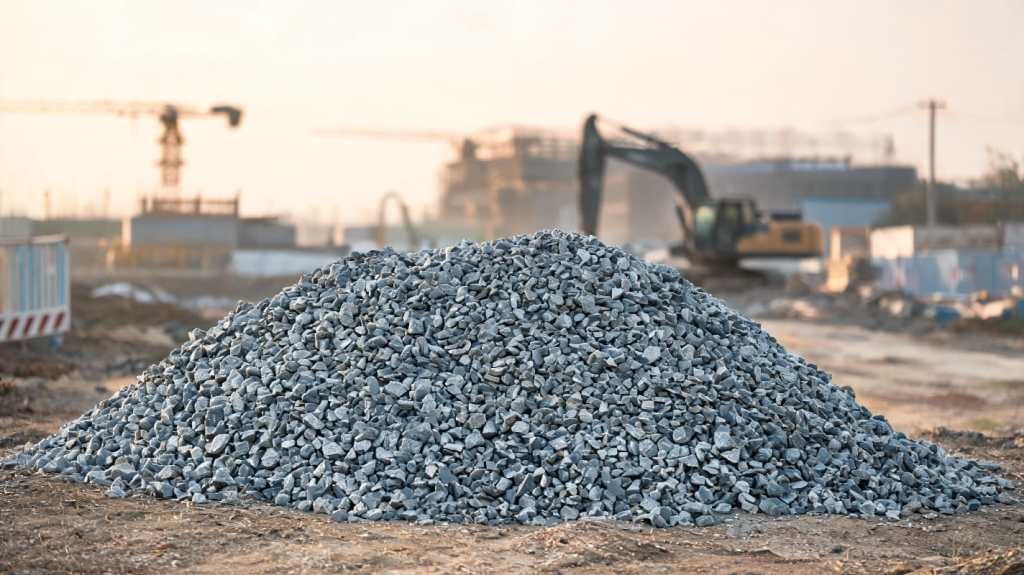
Accurately estimating your crushing costs can make or break profitability on a construction project. Whether you’re recycling concrete, processing aggregate, or managing demolition debris, understanding your cost structure helps you bid smarter and operate more efficiently. Using a portable jaw crusher on-site can significantly reduce hauling and material expenses, but only if you clearly understand your cost per ton. In this guide, we’ll break down how to approach crushing cost per ton calculation in a practical, contractor-focused way.
Why Cost Per Ton Matters
For contractors, every decision comes down to margins. Knowing your portable jaw crusher cost per ton allows you to:
- Set competitive but profitable bids
- Identify inefficiencies in your workflow
- Compare renting vs owning equipment
- Justify investments in newer machinery
Without a clear understanding of your numbers, it’s easy to underestimate expenses and lose money over time.
The Core Formula for Cost Per Ton
At its simplest, your crushing cost per ton calculation looks like this:
Total Operating Costs ÷ Total Tons Produced = Cost Per Ton
But the real challenge lies in accurately capturing all the costs that go into your crushing operation.
Key Cost Components to Include
1. Equipment Costs
This includes the purchase price or rental fees of your crusher.
- Ownership costs: depreciation, financing, insurance
- Rental costs: daily, weekly, or monthly rates
If you own your machine, divide the total cost over its expected lifespan and usage hours. This gives you a realistic hourly or daily rate that feeds into your mobile crusher operating costs.
2. Fuel Consumption
Fuel is often one of the largest ongoing expenses.
- Track gallons used per hour
- Multiply by fuel price
- Divide by tons produced per hour
Improving fuel efficiency can significantly lower your aggregate crushing cost analysis, especially on long-term projects.
3. Labor Costs
Include all personnel directly involved:
- Equipment operators
- Loader operators
- Supervisors (if dedicated to crushing)
Calculate hourly wages, including benefits and overtime if applicable. Labor can vary widely depending on your crew size and efficiency.
4. Wear Parts and Maintenance
Jaw crushers rely heavily on wear parts like:
- Jaw plates
- Cheek plates
- Toggle plates
Track how often these components are replaced and their cost. Preventive maintenance also plays a role in reducing downtime and unexpected expenses.
This category is essential for accurate jobsite crushing cost estimation, as neglecting it can lead to major underestimation.
5. Downtime and Repairs
Even the best equipment experiences downtime.
- Scheduled maintenance
- Unexpected breakdowns
- Weather-related delays
Estimate a percentage of downtime and factor it into your production rate. Lower uptime means higher cost per ton.
6. Support Equipment
Your crusher rarely works alone. Include costs for:
- Excavators or loaders feeding the crusher
- Conveyors or screeners
- Fuel and maintenance for these machines
These supporting assets are critical to your overall mobile crusher operating costs.
7. Transportation and Setup
Even though the equipment is portable, there are still logistics involved:
- Transporting the crusher to site
- Setup and teardown time
- Permits if required
Spread these costs across the total tonnage expected from the project.
Step-by-Step Example
Let’s walk through a simplified example to illustrate how to calculate cost per ton crushing.
Daily Costs:
- Equipment (owned): $800
- Fuel: $500
- Labor: $1,200
- Wear parts: $300
- Support equipment: $700
Total Daily Cost = $3,500
Production Rate:
- 350 tons per day
Cost Per Ton = $3,500 ÷ 350 = $10 per ton
This basic model gives you a starting point, but your real-world numbers may vary based on efficiency, material type, and site conditions.
Factors That Affect Cost Per Ton
Material Hardness
Harder materials increase wear and reduce production rates, raising your portable jaw crusher cost per ton.
Feed Size and Consistency
Uniform feed improves efficiency and lowers costs. Oversized or inconsistent material slows production.
Operator Skill
Experienced operators optimize throughput and reduce wear, improving your overall aggregate crushing cost analysis.
Site Layout
Efficient positioning of equipment reduces cycle times and fuel consumption.
Tips to Reduce Crushing Costs
Optimize Equipment Utilization
Maximize your crusher’s runtime. Idle equipment still costs money.
Improve Material Flow
Ensure a steady and consistent feed to avoid bottlenecks.
Schedule Preventive Maintenance
Regular checks reduce unexpected downtime and costly repairs.
Monitor Fuel Usage
Track consumption and identify inefficiencies.
Train Your Crew
Skilled operators can significantly lower your jobsite crushing cost estimation over time.
Comparing On-Site vs Off-Site Crushing
One major advantage of portable equipment is the ability to crush material on-site.
On-site crushing benefits:
- Eliminates hauling costs
- Reduces material purchase needs
- Speeds up project timelines
These advantages often result in a lower mobile crusher operating costs compared to off-site processing.
Common Mistakes to Avoid
- Ignoring wear parts: leads to underestimating costs
- Overestimating production rates: inflates expectations
- Not accounting for downtime: skews calculations
- Forgetting support equipment: incomplete cost picture
Avoiding these mistakes ensures your crushing cost per ton calculation remains accurate and reliable.
Using Technology for Better Estimates
Modern crushing equipment often includes:
- Telematics systems
- Fuel monitoring tools
- Production tracking software
These tools provide real-time data, making it easier to refine your aggregate crushing cost analysis and improve future estimates.
Final Thoughts
Understanding how to calculate cost per ton crushing is essential for any contractor working with aggregate or recycled materials. By carefully tracking your expenses and production rates, you can develop accurate estimates that protect your margins and improve decision-making.
Whether you’re evaluating a new project or optimizing an existing operation, a detailed approach to jobsite crushing cost estimation gives you a competitive edge. Over time, refining your calculations will lead to better efficiency, lower costs, and stronger profitability across all your crushing projects.
