

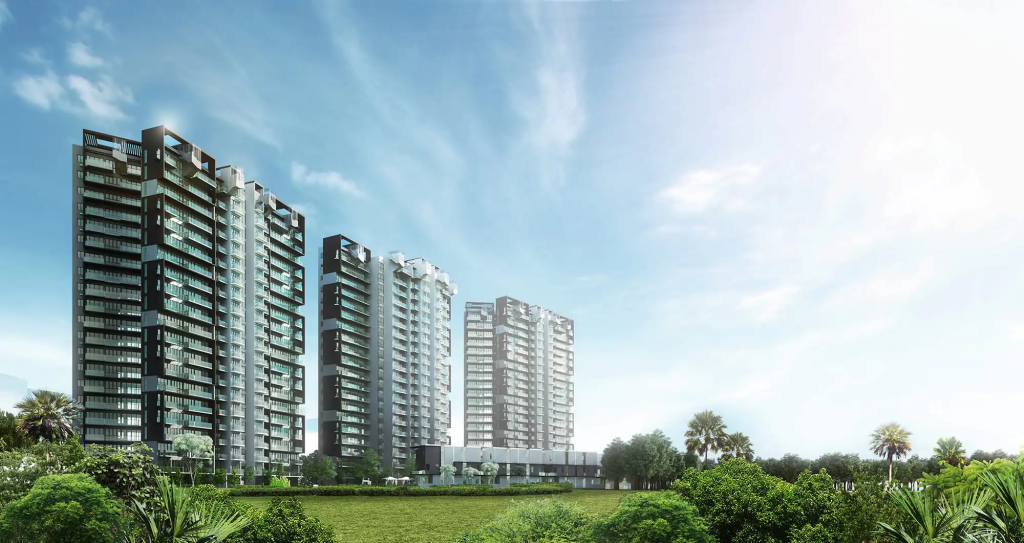
Purchasing a residential property in Singapore requires a clear understanding of the transactional costs involved. Among these expenses, the Additional Buyer’s Stamp Duty (ABSD) represents a significant financial consideration for both local and foreign investors. Whether you are looking at a boutique development like the Lucerne Grand or a larger suburban project, ABSD rates directly affect your upfront capital requirements. This tax, introduced as a cooling measure, varies based on your residency status and the number of residential properties you already own. Managing these regulations successfully helps buyers avoid unexpected financial strain and ensures a smoother acquisition process. Understanding how ABSD applies to your specific profile is the first step toward making a sound real estate investment.
What is ABSD and Who Must Pay It?
The Additional Buyer’s Stamp Duty is a tax levied on top of the standard Buyer’s Stamp Duty (BSD). The Inland Revenue Authority of Singapore (IRAS) introduced this tax to manage demand in the residential property market and keep housing affordable. The exact percentage you pay depends heavily on your nationality and property portfolio. For instance, Singapore citizens buying their first residential property do not pay any ABSD, but they face a 20% rate on their second property and 30% on subsequent purchases.
Permanent Residents (PRs) face ABSD even on their first purchase, starting at 5%, which rises to 30% for their second property. Foreigners face the steepest rate, currently set at 60% for any residential property purchase. Entities and housing developers pay even higher rates. When buyers look at premium developments like the Thomson Reserve, these percentages translate into substantial cash outlays. For example, a foreigner purchasing a two-million-dollar unit faces an ABSD of $1.2 million, which must be paid in cash or Central Provident Fund (CPF) savings within 14 days of signing the option agreement. This makes accurate pre-purchase calculations vital for budgeting.
Calculating ABSD and Using CPF Funds
To calculate your ABSD liability, you must apply the relevant percentage to the higher of the purchase price or the market valuation of the property. Buyers cannot simply use an artificially lowered purchase price to reduce their tax burden, as IRAS conducts regular audits to ensure compliance. For example, if you acquire a unit at Lucerne Grand for $2.5 million, but the official valuation stands at $2.6 million, your stamp duty calculations will be based on the higher $2.6 million figure.
Paying ABSD with CPF
Many buyers wonder if they can use their CPF Ordinary Account (OA) savings to pay for ABSD. The answer is yes, but with a major catch: you must pay the stamp duty in cash first. After the transaction is finalized and registered, you can apply for a reimbursement from your CPF OA. This means you still need to have the physical cash ready at the time of purchase to meet the immediate 14-day payment deadline. If you do not pay on time, you face heavy penalties from IRAS, which can quickly erase any potential investment gains. Therefore, securing bridging loans or maintaining high liquidity is essential when finalizing your purchase strategy.
Legal Methods to Manage or Avoid ABSD
Property buyers frequently seek legitimate avenues to minimize their ABSD exposure. One common strategy is decoupling, where co-owners transfer their share of a property to one partner, leaving the other free to purchase a second property as a first-time buyer. However, this process involves legal fees, seller’s stamp duty if done within three years, and the complete refinancing of outstanding home loans.
Purchasing via Trust or FTAs
Another approach involves setting up a trust to buy property for a minor child. While this allows the purchase to be treated under the child’s profile, the government has closed loopholes by imposing a 65% ABSD on transfers of residential property into a trust, though buyers can apply for a refund if specific conditions are met. Alternatively, citizens of certain countries with Free Trade Agreements with Singapore—such as the United States, Iceland, Norway, and Switzerland—enjoy the same tax treatment as Singapore citizens. If a US citizen decides to buy an apartment at Thomson Reserve, they pay 0% ABSD on their first residential property, saving hundreds of thousands of dollars compared to other international buyers. Understanding these treaties allows global investors to allocate their capital more efficiently.
ABSD Remissions for Married Couples
Married couples enjoy specific concessions designed to help them upgrade their living spaces without permanent tax penalties. If a married couple buys a second residential property jointly, they must pay the ABSD upfront. However, they can apply for a full refund if they sell their first property within six months of purchasing the second one (for completed properties) or within six months of the Temporary Occupation Permit (TOP) date (for uncompleted properties).
To qualify for this matrimonial home remission, the couple must remain married, and at least one spouse must be a Singapore citizen. Additionally, they must not own any other residential properties at the point of application. If a couple decides to move from their HDB flat to a larger unit at Lucerne Grand, they can pay the ABSD initially, complete their move, sell their flat within the six-month window, and receive their refund. This system prevents genuine upgraders from being unfairly penalized by cooling measures intended to curb speculative investing. It provides a practical financial pathway for families seeking to transition to private condominiums.
The Impact of ABSD on the Private Condo Market
The implementation of ABSD has fundamentally reshaped the dynamics of Singapore’s private residential market. By making multiple-property ownership more expensive, the government has successfully curbed short-term speculation. Buyers now focus heavily on long-term capital preservation and rental yields rather than quick resale profits. This shift has stabilized property prices, making the market more resilient against global economic volatility.
For developers and buyers alike, this regulatory environment influences which projects attract interest. Premium developments like the Thomson Reserve remain attractive because they offer strong locational advantages, proximity to reputable schools, and excellent transit connectivity. Investors are willing to pay the ABSD on these properties because they view them as safe-haven assets that will retain value over decades. Furthermore, the high tax barrier has encouraged buyers to conduct deeper due diligence, focusing on layout efficiency, developer reputation, and district growth potential. Ultimately, while ABSD increases the entry cost, it also fosters a healthier, more stable real estate ecosystem that benefits genuine homeowners and long-term investors.
Conclusion
Understanding the complexities of the Additional Buyer’s Stamp Duty is a vital step for anyone entering the Singapore private property market. Whether you are eyeing a boutique residence or a larger suburban development, knowing your specific tax bracket prevents costly surprises during the transaction process. While the upfront financial commitment can be substantial, careful planning, utilizing CPF options, and exploring legal tax remissions can help optimize your purchase. By aligning your investment goals with the prevailing regulatory framework, you can make informed decisions that secure your financial future. Working with experienced real estate professionals and legal advisors ensures that your property acquisition remains compliant and financially sound.
