

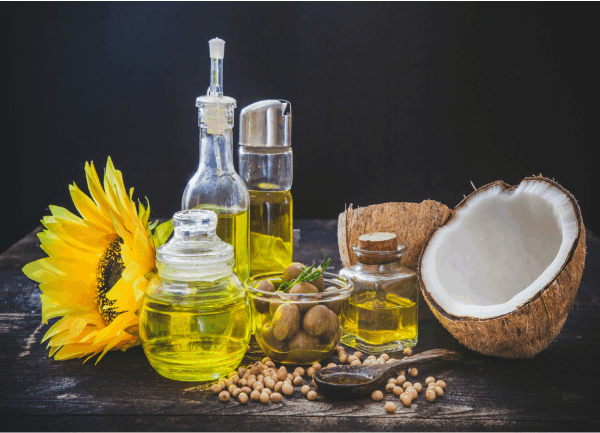
Cold-pressed oils have become one of the most talked-about ingredients in modern kitchens. From health influencers to nutritionists and gourmet chefs, everyone seems to be praising these oils as a cleaner, more natural alternative to refined cooking oils. But are cold-pressed oils (auksti spiestas eļļas) truly a healthy hero, or are they simply another overhyped food trend riding the wellness wave?
In this comprehensive guide, we’ll cut through the marketing noise and look at cold-pressed oils honestly—how they’re made, how they compare to refined oils, their real health benefits, cooking uses, myths, and whether they’re actually worth your money.
What Are Cold-Pressed Oils? (And How They’re Made)
Cold-pressed oils are extracted from seeds, nuts, or fruits using mechanical pressure without applying high heat or harsh chemicals. The extraction process typically keeps temperatures below 120°F (49°C), which helps preserve the oil’s natural nutrients, flavor, and aroma.
This method is very different from conventional refined oil production, where seeds are heated at high temperatures and treated with chemical solvents like hexane to extract maximum oil. While efficient and cheap, refining strips oils of many beneficial compounds.
Because cold-pressed oils (šalto spaudimo aliejus) undergo minimal processing, they retain more of their natural characteristics, making them closer to how oils were traditionally produced for centuries.
Common cold-pressed oils include:
- Olive oil
- Coconut oil
- Mustard oil
- Sesame oil
- Flaxseed (linseed) oil
- Groundnut (peanut) oil
Cold-Pressed Oils vs Refined Oils: The Real Difference
To understand whether cold-pressed oils deserve their health halo, it’s important to compare them with refined oils.
Refined oils are processed using high heat, bleaching agents, and deodorizing steps. This results in oils that are neutral in taste, lighter in color, and have a longer shelf life—but at a cost. Most antioxidants, vitamins, and essential fatty acids are destroyed in the process.
Cold-pressed oils, on the other hand, maintain their natural micronutrients, including vitamin E, polyphenols, and healthy fats. They also have a richer aroma and deeper flavor, which is why you often need less oil when cooking.
In short, refined oils prioritize convenience and cost, while cold-pressed oils prioritize nutritional integrity and taste.
The Health Benefits of Cold-Pressed Oils (Backed by Science)
One of the biggest reasons people switch to cold-pressed oils is their potential health benefits.
Rich in Healthy Fats
Cold-pressed oils contain higher levels of monounsaturated and polyunsaturated fats, which support heart health, reduce bad cholesterol (LDL), and improve overall lipid profiles.
Higher Antioxidant Content
Because they aren’t exposed to extreme heat, cold-pressed oils retain antioxidants such as polyphenols and tocopherols. These compounds help fight inflammation and oxidative stress—two major contributors to chronic diseases.
Better for Heart Health
Cold-pressed olive oil, for example, is strongly linked to reduced risk of heart disease due to its oleic acid and antioxidant content.
Supports Skin and Hair Health
Natural oils like cold-pressed coconut, sesame, and almond oil are beneficial not just when consumed but also when applied topically, helping nourish skin and strengthen hair.
Easier on Digestion
Minimally processed oils are generally easier for the body to digest and metabolize compared to heavily refined oils.
Popular Types of Cold-Pressed Oils and Their Best Uses
Not all cold-pressed oils serve the same purpose. Choosing the right one depends on how you plan to use it.
- Cold-Pressed Olive Oil: Ideal for salads, drizzling, light sautéing
- Cold-Pressed Coconut Oil: Suitable for medium-heat cooking and baking
- Cold-Pressed Mustard Oil: Common in South Asian cooking; good for sautéing
- Cold-Pressed Sesame Oil: Excellent for flavoring, stir-fries, and finishing dishes
- Cold-Pressed Flaxseed Oil: Best consumed raw; rich in omega-3 fatty acids
Understanding each oil’s smoke point and flavor profile helps you use them safely and effectively.
Can You Cook with Cold-Pressed Oils? Myths vs Facts
One of the most common myths is that cold-pressed oils should never be used for cooking. The truth is more nuanced.
Yes, some cold-pressed oils have lower smoke points and are better suited for low to medium heat. However, oils like cold-pressed coconut, mustard, and groundnut oil can handle cooking temperatures reasonably well.
The key is not overheating the oil. Once oil begins to smoke excessively, its beneficial compounds break down—whether it’s refined or cold-pressed.
Best practices:
- Use cold-pressed oils for sautéing, light frying, and finishing
- Avoid deep-frying at very high temperatures
- Match the oil to the cooking method
Are Cold-Pressed Oils Really Healthier—or Just Hype?
Here’s where the honest answer lies: cold-pressed oils are healthier in terms of nutrient retention and natural composition—but they are not miracle foods.
They won’t undo a poor diet or compensate for excessive calorie intake. The health benefits are real, but they work best as part of a balanced lifestyle that includes whole foods, moderation, and mindful cooking.
In some situations—like high-heat commercial frying—refined oils may still be more practical due to their stability. The smartest approach is not choosing one over the other blindly, but understanding when and how to use each.
How to Choose High-Quality Cold-Pressed Oils
With growing demand, many low-quality or falsely labeled oils have entered the market. Here’s how to choose wisely:
- Check the label: Look for “cold-pressed,” “unrefined,” or “wood-pressed”
- Packaging: Prefer dark glass bottles over plastic
- Aroma & color: Natural oils have a distinct smell and color
- Shelf life: Cold-pressed oils usually have shorter shelf lives
- Source transparency: Trust brands that disclose sourcing and extraction methods
Buying smaller quantities also ensures freshness.
Environmental and Ethical Impact of Cold-Pressed Oils
Cold-pressed oil production is generally more environmentally friendly. It uses less energy, avoids chemical solvents, and produces minimal industrial waste.
Additionally, many cold-pressed oils are produced by small-scale farmers and traditional mills, helping preserve local economies and sustainable agricultural practices.
Choosing cold-pressed oils can therefore align your kitchen habits with more ethical and eco-conscious living.
What Most People Get Wrong About Cold-Pressed Oils
Many misconceptions about cold-pressed oils stem from oversimplified health advice and marketing soundbites. A common belief is that these oils should never be used for cooking, when in fact several cold-pressed varieties can handle low to medium heat quite well if used properly. Another widespread misunderstanding is that cold-pressed oils are meant only for salads or raw dishes. While they do excel in dressings and finishing touches, they are also practical for everyday cooking, enhancing flavor without excessive processing. Cost is another area where people often hesitate. Although cold-pressed oils may appear expensive at first glance, their richer taste and higher quality usually mean smaller quantities are needed, making them more economical over time. Finally, many assume all cold-pressed oils are identical, overlooking the importance of seed quality, extraction methods, freshness, and storage. Clearing up these misunderstandings helps reveal cold-pressed oils for what they truly are—versatile, thoughtful choices rather than niche health trends.
Are Cold-Pressed Oils Worth the Price?
Cold-pressed oils are undeniably more expensive than refined oils. But value isn’t just about price—it’s about what you’re getting.
When you consider nutrient density, flavor, health benefits, and environmental impact, cold-pressed oils offer strong long-term value. Using them strategically—rather than excessively—can make them a worthwhile investment.
Who Should (and Shouldn’t) Use Cold-Pressed Oils
Cold-pressed oils are not a one-size-fits-all solution, but for the right users, they can be a powerful addition to the diet. They are particularly ideal for health-conscious individuals who prioritize nutrient-dense foods. Because these oils retain natural antioxidants, vitamins, and healthy fats, they provide a more wholesome alternative to heavily refined oils. People dealing with heart health concerns, inflammation, or chronic conditions may also benefit from incorporating cold-pressed oils into their meals, as the monounsaturated and polyunsaturated fats support cardiovascular wellness and can help reduce inflammatory markers in the body.
Home cooks and culinary enthusiasts who value flavor, aroma, and quality also find cold-pressed oils indispensable. Their robust taste can elevate simple dishes, from lightly sautéed vegetables to drizzled salads, making meals more enjoyable without relying on artificial flavoring or excess salt.
However, cold-pressed oils may be less practical in certain scenarios. High-heat commercial cooking—like deep-frying in restaurants or large-scale industrial kitchens—can degrade these oils quickly, causing them to lose nutritional value and develop off-flavors. Similarly, budget-conscious, large-scale operations may find the higher upfront cost challenging, especially when cooking in bulk where stability and cost-efficiency are more important than subtle flavor nuances.
Ultimately, the key is balance and informed use. For most households and individual cooks, using cold-pressed oils strategically—for dressings, moderate sautéing, and finishing dishes—strikes the perfect compromise between health, taste, and practicality. Choosing the right oil for the right purpose ensures that it’s not just a trendy ingredient, but a genuinely beneficial one for your kitchen and well-being.
Final Verdict: Healthy Hero or Overhyped Trend?
Cold-pressed oils are not a passing fad, nor are they magic potions. They are a return to traditional, mindful food preparation—offering real nutritional and culinary advantages when used correctly.
So, are they a healthy hero or an overhyped trend?
They’re a healthy hero—when chosen wisely, used properly, and consumed in moderation.
In the end, the smartest kitchens aren’t trendy—they’re informed. And cold-pressed oils, when understood and respected, deserve a place in them.
