

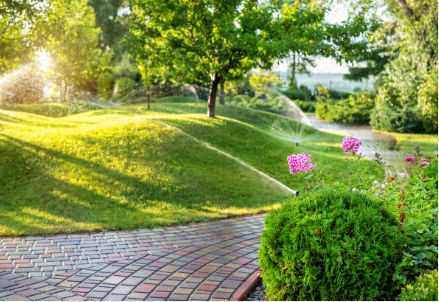
Creating a beautiful backyard doesn’t have to come at the expense of the environment. Sustainable landscaping practices can help you design an outdoor space that is both stunning and kind to the planet. By making thoughtful choices about plants, water usage, and materials, you can cultivate a gorgeous, green oasis that supports local ecosystems.
These eco-friendly ideas will guide you in transforming your yard into a sustainable sanctuary.
Embrace Native Plants
One of the most effective ways to create an eco-conscious garden is by choosing native plants. These are species that have grown in your region for centuries, making them perfectly adapted to the local climate, soil, and rainfall patterns.
Why Choose Native Species?
Native plants offer numerous benefits. They require less water once established, reducing your reliance on irrigation. They are also naturally resistant to local pests and diseases, which means you can avoid using chemical pesticides and fertilizers. Furthermore, native flora provides essential food and shelter for local wildlife, including birds, bees, and butterflies, helping to support biodiversity in your area.
Practice Smart Water Management
Water conservation is a cornerstone of sustainable landscaping. Implementing strategies to use water wisely not only helps the environment but can also lower your utility bills.
Rainwater Harvesting
Set up rain barrels to collect runoff from your roof. This harvested rainwater is free of chlorine and other chemicals found in tap water, making it an excellent source for watering your plants. It’s a simple and effective way to reduce your household’s water consumption.
Drip Irrigation and Soaker Hoses
Instead of using traditional sprinklers that lose a lot of water to evaporation, consider installing a drip irrigation system or using soaker hoses. These methods deliver water directly to the base of your plants, right where it’s needed. This targeted approach minimizes waste and ensures your plants get a deep, thorough watering that encourages strong root growth.
Choose Sustainable Materials
The materials you use for paths, patios, and garden beds can have a significant environmental impact. Opting for recycled or natural materials can enhance the beauty of your yard while minimizing its carbon footprint.
Permeable Paving Solutions
Hard surfaces like concrete and asphalt contribute to water runoff, which can carry pollutants into local waterways. Instead, choose permeable materials for your walkways and patios. Options like gravel, wood chips, or pavers with gaps allow rainwater to seep through into the ground. This process replenishes groundwater and filters out pollutants naturally. For a modern, durable ground cover in arid climates, using materials like black lava rock in Salt Lake City can reduce water needs and add a striking visual contrast.
Create a Healthy Foundation with Compost
Healthy soil is the foundation of a thriving garden. Composting is a fantastic way to enrich your soil naturally, reducing the need for synthetic fertilizers.
How to Start Composting
You can easily start a compost pile in your backyard using a bin or an open heap. Add a mix of “green” materials (like fruit and vegetable scraps, coffee grounds, and grass clippings) and “brown” materials (like dried leaves, twigs, and cardboard). Over time, these organic materials will break down into a nutrient-rich humus that you can add to your garden beds to improve soil structure and fertility.
By implementing these eco-friendly landscaping ideas, you can craft a backyard that is not only beautiful but also environmentally beneficial. Start small, perhaps by adding a few native plants or a rain barrel, and gradually build a sustainable and gorgeous outdoor living space.
