

Introduction
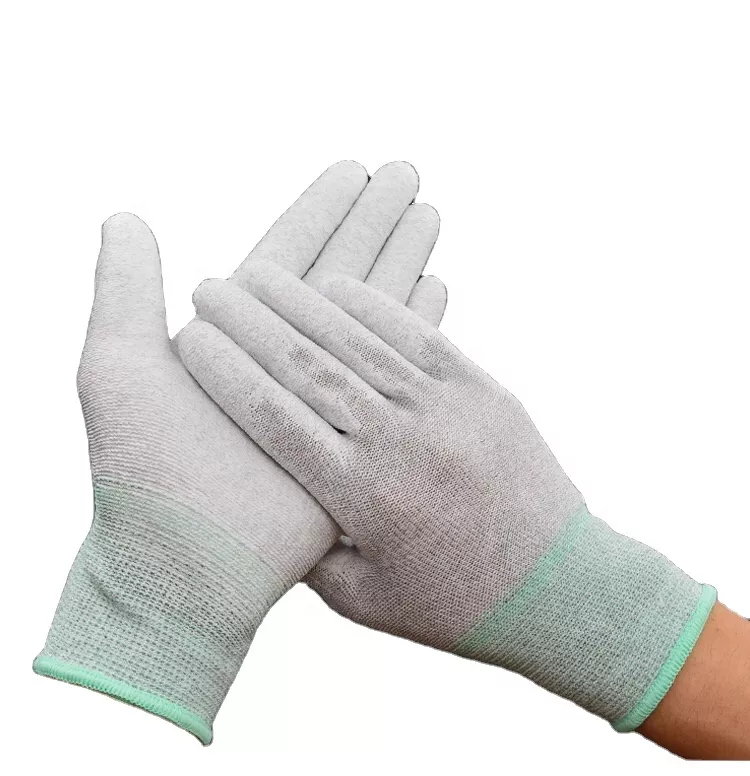
Modern workplaces demand protective equipment that delivers both safety and precision without compromising comfort. ESD PU palm gloves are specially designed to protect sensitive electronic components from electrostatic discharge while providing excellent grip and flexibility for delicate tasks.
From electronics manufacturing to semiconductor assembly, these gloves have become an essential part of static-safe environments. Their polyurethane-coated palms enhance handling accuracy, while the conductive materials help dissipate static electricity effectively. Choosing the right pair improves productivity, protects valuable equipment, and ensures compliance with workplace safety standards.
Why ESD PU Palm Gloves Are Essential in Static-Sensitive Environments
Electrostatic discharge may seem insignificant, but even a tiny spark can damage expensive electronic components. Many industries rely on electrostatic protection to maintain product quality and reduce manufacturing losses.
ESD gloves with PU-coated palms combine static-dissipative properties with superior dexterity, making them ideal for precision work. Unlike bulky protective gloves, they allow workers to handle delicate items comfortably while maintaining excellent tactile sensitivity.
Organizations involved in electronics assembly, quality inspection, and cleanroom operations often include these gloves as a mandatory part of their personal protective equipment (PPE).
Benefits of Using ESD PU Palm Gloves
- Prevent electrostatic discharge from damaging electronic components.
- Improve grip without sacrificing finger movement.
- Offer excellent comfort for extended work shifts.
- Reduce hand fatigue through lightweight construction.
- Help maintain product quality during manufacturing.
- Minimize contamination from direct hand contact.
- Provide better precision when handling miniature parts.
- Suitable for both manual assembly and inspection work.
Key Features That Make ESD PU Palm Gloves Stand Out
High-quality static-safe gloves are engineered to balance protection, durability, and user comfort. Manufacturers carefully select materials that meet workplace safety requirements while supporting everyday productivity.
Most PU palm coated gloves feature breathable knitted liners that keep hands cool even during long hours. The polyurethane coating provides abrasion resistance without making the gloves stiff or uncomfortable.
The seamless construction also minimizes irritation and improves flexibility, making these gloves suitable for continuous use.
Important Features to Consider
Conductive Yarn Technology
Conductive fibers woven into the glove fabric safely dissipate static electricity, reducing the risk of electrostatic damage.
Polyurethane Palm Coating
PU coating enhances grip on smooth surfaces while maintaining excellent sensitivity for handling tiny electronic components.
Breathable Fabric
Lightweight knitted materials improve airflow and reduce moisture buildup, increasing overall comfort.
Excellent Dexterity
Thin glove construction allows workers to perform detailed assembly, testing, and inspection tasks with confidence.
Comfortable Wrist Fit
Elastic cuffs help keep gloves securely in place while preventing dust and debris from entering.
Features Worth Looking For
- Static dissipative construction.
- Lightweight and breathable fabric.
- Flexible polyurethane palm coating.
- Seamless knitting for added comfort.
- Excellent fingertip sensitivity.
- Reliable abrasion resistance.
- Comfortable elastic wrist cuff.
- Reusable design for long-term value.
Industries That Commonly Use ESD PU Palm Gloves
Static-control gloves are valuable across numerous industries where electronic components or precision equipment require careful handling.
Manufacturing environments that prioritize product reliability often include ESD protective gloves as part of their daily safety procedures.
These gloves are particularly useful wherever static electricity could affect sensitive equipment or finished products.
Common Applications
- Electronics manufacturing and assembly.
- Semiconductor production facilities.
- Printed circuit board (PCB) manufacturing.
- Mobile phone assembly lines.
- Computer hardware production.
- Laboratory testing environments.
- Cleanroom operations.
- Medical device manufacturing.
- Automotive electronics assembly.
- Aerospace electronics production.
- Precision engineering workshops.
- Quality inspection departments.
Additional Workplace Advantages
Besides protecting electronic devices, static-safe gloves also improve workflow by reducing accidental slips and improving control over delicate materials.
Workers appreciate their comfortable fit during repetitive tasks, while employers benefit from reduced product damage and fewer costly production errors.
The versatility of polyurethane-coated ESD gloves allows them to perform well across multiple industries without compromising protection or comfort.
How to Choose the Best ESD PU Palm Gloves
Selecting the right gloves involves more than choosing the correct size. Different workplaces require varying levels of protection, durability, and comfort.
Consider the type of work being performed and the environment where the gloves will be used.
Check the ESD Rating
Choose gloves that comply with recognized electrostatic discharge standards to ensure reliable static protection.
Evaluate Grip Requirements
Smooth electronic components require gloves with dependable grip while maintaining high tactile sensitivity.
Select the Correct Size
Properly fitting gloves improve accuracy, reduce fatigue, and enhance workplace safety.
Review Material Quality
Look for breathable liners, durable polyurethane coatings, and quality stitching for longer service life.
Consider Workplace Conditions
Cleanrooms, assembly lines, and inspection stations may each require different glove specifications depending on cleanliness standards and handling needs.
Maintenance Tips for Longer Glove Performance
Proper care extends the lifespan of reusable ESD gloves while maintaining their protective capabilities.
Avoid exposing gloves to harsh chemicals unless specifically designed for chemical resistance. Store them in a clean, dry location away from direct sunlight and excessive heat.
Regular inspections help identify worn coatings or damaged conductive fibers before they compromise performance.
Cleaning should follow the manufacturer’s recommendations to preserve both the static-dissipative properties and the polyurethane coating.
Replacing heavily worn gloves promptly helps maintain consistent workplace safety and product quality.
Common Mistakes to Avoid When Using Static-Safe Gloves
Many users unknowingly reduce glove effectiveness through improper handling or maintenance.
Some common mistakes include using damaged gloves, choosing the wrong size, or wearing standard work gloves in static-sensitive environments.
Employees should also avoid touching unnecessary surfaces that may introduce contaminants or static buildup during sensitive assembly tasks.
Training workers on proper glove usage contributes to better equipment protection and improved manufacturing consistency.
Choosing Reliable ESD PU Palm Gloves for Long-Term Protection
Investing in quality ESD PU palm gloves helps protect valuable electronic equipment while improving worker efficiency and comfort. Their combination of electrostatic protection, lightweight construction, breathable materials, and enhanced grip makes them an excellent solution for precision-based industries.
Whether you work in electronics manufacturing, laboratory testing, semiconductor production, or cleanroom operations, selecting the right static-safe gloves supports safer handling and better operational performance. By choosing durable, well-fitting ESD PU palm gloves and maintaining them properly, businesses can reduce product damage, improve productivity, and create a safer workplace for every task.
