

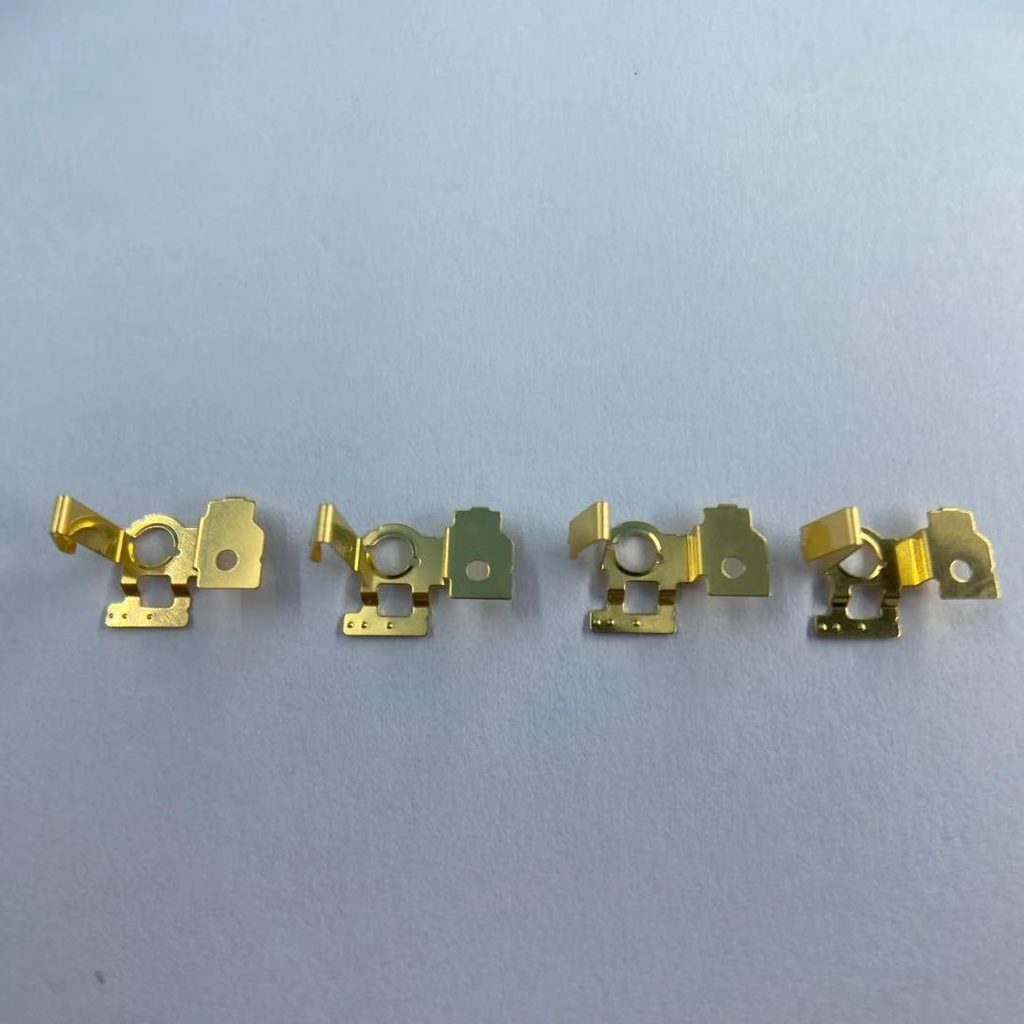
A finished aluminum bracket looks simple. The journey from a raw coil to that precise component involves metallurgy, tooling engineering, and press technology working in tight coordination. Here is what actually happens inside a plant producing aluminum stamping parts.
It Starts With the Coil
Everything begins with rolled aluminum coil in the specified alloy and temper — temper being the hardness state, which dramatically affects formability. Softer tempers form easily but yield weaker parts; harder tempers hold strength but risk cracking in tight bends. Selecting the right temper is the first engineering decision, and getting it wrong cannot be fixed downstream. Coils are inspected for surface defects before they ever reach the press, because a scratch in the coil becomes a scratch in every one of the thousands of aluminum stamping parts it produces.
Blanking: Cutting the Canvas
The first press operation typically blanks — cutting the flat developed shape from the coil. Nesting software arranges blanks to minimize scrap, since aluminum’s material cost makes waste expensive. Modern lines use servo feeds that position the coil with extreme accuracy, ensuring each blank is identical. This unglamorous step determines material utilization, which is often the largest single cost factor in aluminum stamping parts.
Forming: Where Geometry Happens
Progressive dies then bend, draw, and form the blank through successive stations — each press stroke advancing the strip one step. Deep draws need special attention with aluminum: the metal work-hardens as it forms, so multi-stage draws with intermediate anneals may be required for complex shapes. Die clearances run tighter than for steel because aluminum’s softness demands precise control. When you hold a complex piece among finished aluminum stamping parts, you are holding dozens of these micro-decisions made correctly.
Finishing Operations
- Deburring: stamped edges are smoothed for handling safety and assembly fit.
- Piercing and tapping: holes and threads added in-die or as secondary ops.
- Surface treatment: anodizing, chromate conversion, or powder coat per spec.
- Cleaning: aluminum stamping parts must be oil-free before finishing or assembly.
Consistent quality across millions of pieces requires process control at every station — which is why buyers source aluminum stamping parts from manufacturers with in-die monitoring, SPC discipline, and real metallurgical expertise.
Tooling Considerations Specific to Aluminum
Dies for aluminum are not simply steel dies with different settings — they are engineered around the metal’s personality. Polished die surfaces reduce galling, the adhesive wear that mars aluminum parts. Draw beads and blank-holder forces need careful tuning because aluminum’s lower modulus means it behaves differently under pressure than steel. Coatings like titanium nitride on die components extend tool life significantly when running high volumes of aluminum stamping parts. And because aluminum expands more with temperature, thermal management in the press area matters for holding tight tolerances across long runs. Tooling built with these factors in mind runs cleaner, longer, and with less downtime.
Troubleshooting Common Defects
- Galling and scoring: usually a lubrication failure — check lube coverage and die polish.
- Cracking at bends: bend radius too tight for the temper, or bending with the grain — adjust radius or orientation.
- Wrinkling in draws: insufficient blank-holder force or poor lubrication balance.
- Springback variation: inconsistent incoming temper — tighten material specifications with your supplier.
- Surface scratches: handling damage between operations — review part flow and add protective interleaving for cosmetic aluminum stamping parts.
Automation in Modern Stamping Lines
The best aluminum stamping operations look less like traditional press shops and more like automated factories. Robotic blank loading, in-line vision inspection, and automatic part sorting keep quality consistent at speeds no manual line can match. Servo presses — which control the ram’s motion profile rather than just cycling up and down — are transformative for aluminum, allowing slower forming speeds exactly where the metal needs them. Data collection ties it together: every hit logged, every dimension trended, every anomaly flagged. This is the infrastructure behind reliable aluminum stamping parts at automotive volumes.
The Human Factor: Skilled Operators Still Matter
For all the automation, experienced press operators remain irreplaceable in aluminum stamping. They hear the subtle change in press rhythm that signals a misfeed, spot the faint surface mark that vision systems miss, and know from feel when a die needs attention before it produces scrap. The best shops pair automation with apprenticeship programs that transfer this tacit knowledge to the next generation. When you tour a potential supplier of aluminum stamping parts, watch the operators as much as the equipment — engaged, experienced people running clean, well-maintained presses is the strongest quality signal there is. Technology sets the ceiling, but people determine where in the building you actually operate.
Quality Checks That Matter
Dimensional checks happen in-process with sensors and periodically with CMM measurement. Surface inspection catches scratches and dents that would fail cosmetic standards. And first-article inspection validates every dimension against the drawing before full production begins. In a well-run operation making aluminum stamping parts, quality is built into the process — not inspected in at the end.
