

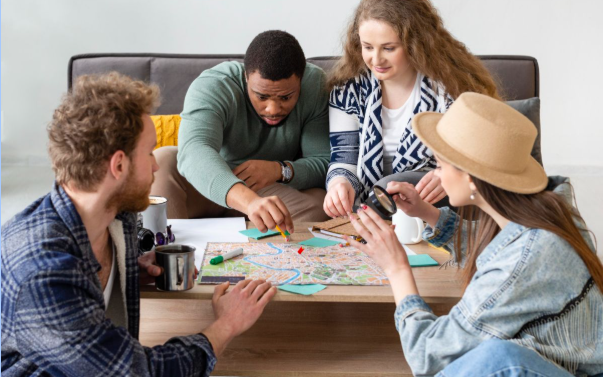
A good game doesn’t just entertain you. It makes you feel part of its world. You move through the story, understand the humor, and instinctively know what to do next. Nothing feels foreign or out of place.
But when a game crosses borders, that feeling can easily disappear. Words might be translated, sure, but the soul gets lost. That’s where cultural translation steps in. It turns a global game into something that feels local.
Localization is about making the entire experience feel familiar to the players. That’s what a game translation agency does best.
The Little Things Players Notice
Every culture has its own meanings that are often hidden in plain sight. A color, for example, can carry very different emotions. White might mean purity in one country and sadness in another. Imagine a hero dressed in white armor set against a dramatic scene. Some players will see hope. Others might see grief.
Symbols can be even trickier. A simple hand gesture or an animal might look harmless but have totally different meanings in another context. For example, a fox might signify cleverness in one place and bad luck in another. Translators who understand culture can catch these things before they confuse or upset players. They find local symbols that feel right, so the game’s world remains believable and immersive.
When Dialogue Speaks Naturally
Ever notice how some characters sound… off? Maybe their lines are translated too literally. Or perhaps the way they talk doesn’t match how people actually speak in that language. That’s where cultural translators fix the tone.
In some cultures, formality is highly valued. In others, people use nicknames quickly, even for strangers. If the level of respect is wrong, players notice. The dialogue starts to sound robotic.
Humor is another story. What sounds funny to the Japanese might not make any difference to players in Brazil. A professional translator not only converts words from one language to another. They rebuild the moment, so it feels funny again. It’s not about matching the words; it’s about recreating the same feeling in a different world.
Knowing the Local Rules
Cultural translation also means knowing what can and can’t be shown. Every region has its own set of laws and sensitivities. Some elements, like symbols or maps, are off-limits. Developers who miss these details might find their games banned or delayed.
That’s why working with professionals matters. They help development teams with what to adjust, whether it’s changing an icon or reworking a scene. The goal isn’t to censor creativity; it’s to make sure the game reaches players legally and respectfully.
The Details That Keep Players Coming Back
Players rarely notice good localization, and that’s exactly the point. When everything feels natural, they can play. Tutorials make sense. Menus feel right. Rewards fit their expectations. Nothing feels awkward or forced.
These small things quietly shape how people feel about your game. If they’re comfortable, they stay longer. They buy more. They tell friends. That’s how cultural translation ultimately improves retention and revenue.
MarsTranslation and the Human Touch
MarsTranslation believes great games speak every language. Their job isn’t just to replace text. They adapt tone, design, and dialogue so players anywhere in the world feel included.
Their translators are gamers too. They understand why one line of dialogue might sound heroic in English but awkward in Spanish. And they also know how to make every word land naturally, without breaking the flow of the game.
That’s why developers who work with them see higher engagement and stronger loyalty. It’s simple: when players feel seen, they tend to stay.
Why Empathy Builds Loyalty
Cultural translation starts with empathy. It’s about seeing what feels natural to people in different places. Even small things, like date formats or button functionality, can make a big difference.
For example, a Western-style calendar might confuse players in Japan. Change it to the format they use, and suddenly the game feels more intuitive. Players notice these things subconsciously. It tells them, “This game was made for you.”
That feeling builds trust. And trust keeps players loyal.
The Real Payoff
When cultural translation is done correctly, the results show up everywhere.
- Players finish the game instead of quitting early.
- Support tickets decrease because the instructions are clear and sensible.
- Reviews improve.
- Revenue grows.
And all of that happens because someone took the time to make sure the game feels right.
The Future: Games That Feel Like Home
Global audiences no longer expect good graphics. They expect a connection. They want games that understand their culture and language from the start. Developers who ignore that fall behind fast.
The next generation of successful games will be those that sound natural everywhere, not foreign or translated, just human.
Final Thoughts
Cultural translation is what turns a game from something interesting into something personal. It builds trust, loyalty, and comfort not through perfection, but through connection.
Game translators or professional software translation services don’t just bring your words across borders. They understand your world. And when players feel that your game understands them, they don’t just play it; they love it.
