

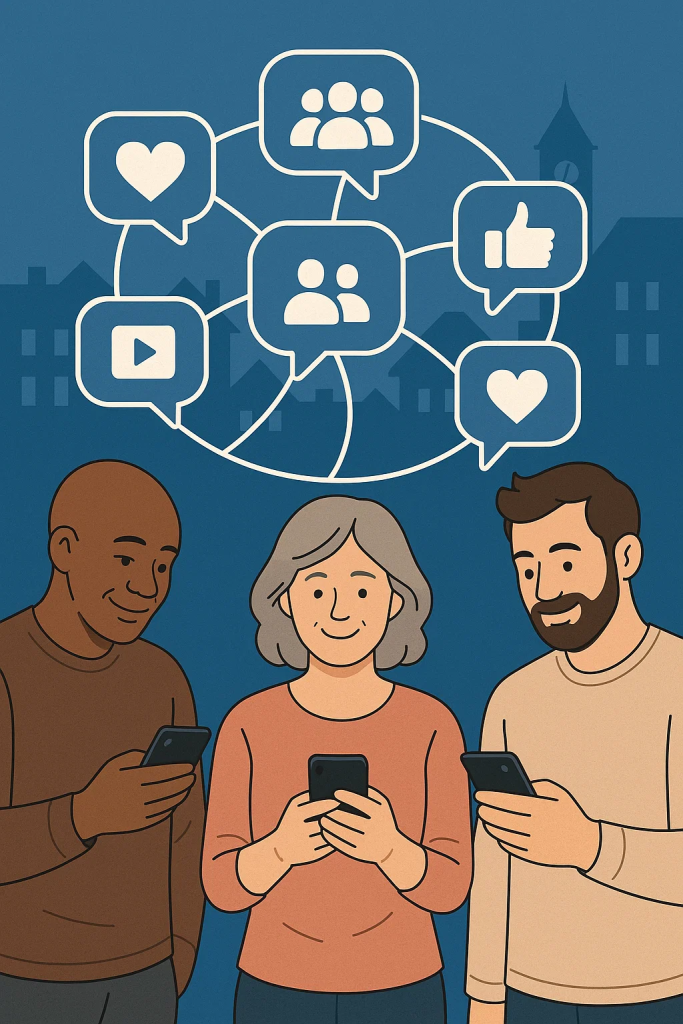
Social media is deeply woven into modern life, shaping the way people connect, communicate, and consume information. While it provides opportunities for community building, entertainment, and self-expression, its influence on mental health has sparked ongoing debate among psychologists, researchers, and health organizations. Understanding both the benefits and risks is essential for building healthier digital habits.
1. The Positive Side of Social Media
When used thoughtfully, social media can offer real benefits to mental health:
- Connection and support: Platforms help people stay in touch with friends and family, especially across distances.
- Awareness and education: Mental health campaigns on sites like WHO or local organizations raise awareness and reduce stigma.
- Inspiration and creativity: Communities on Instagram, TikTok, or Pinterest provide a constant stream of ideas that encourage self-expression.
Statistically, nearly 70% of adults use social media daily, and many report feeling more connected to their communities as a result.
2. The Dark Side: Anxiety, Depression, and Comparison
Despite these positives, excessive use or unhealthy patterns can harm mental health. Researches highlight that heavy social media use is linked to increased rates of anxiety and depression.
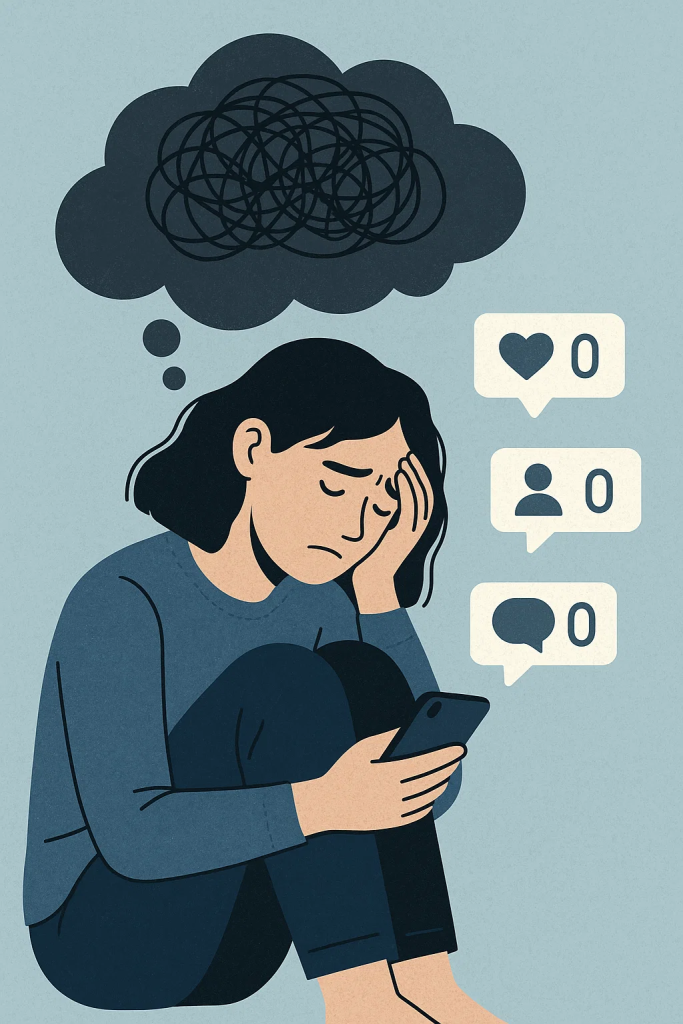
Some of the most common negative effects include:
- Social comparison: Constant exposure to curated lifestyles fuels feelings of inadequacy.
- Sleep disruption: Screen time before bed can interfere with rest and recovery.
- Cyberbullying: Harassment and negative interactions intensify stress and low self-esteem.
3. The Role of Algorithms and Addiction
Social platforms are designed to maximize engagement, often encouraging users to spend more time scrolling. Algorithms amplify emotionally charged content, which can lead to information overload and negativity bias. Studies in Nature Human Behaviour suggest that compulsive use of social media activates reward pathways in the brain, similar to addictive substances.
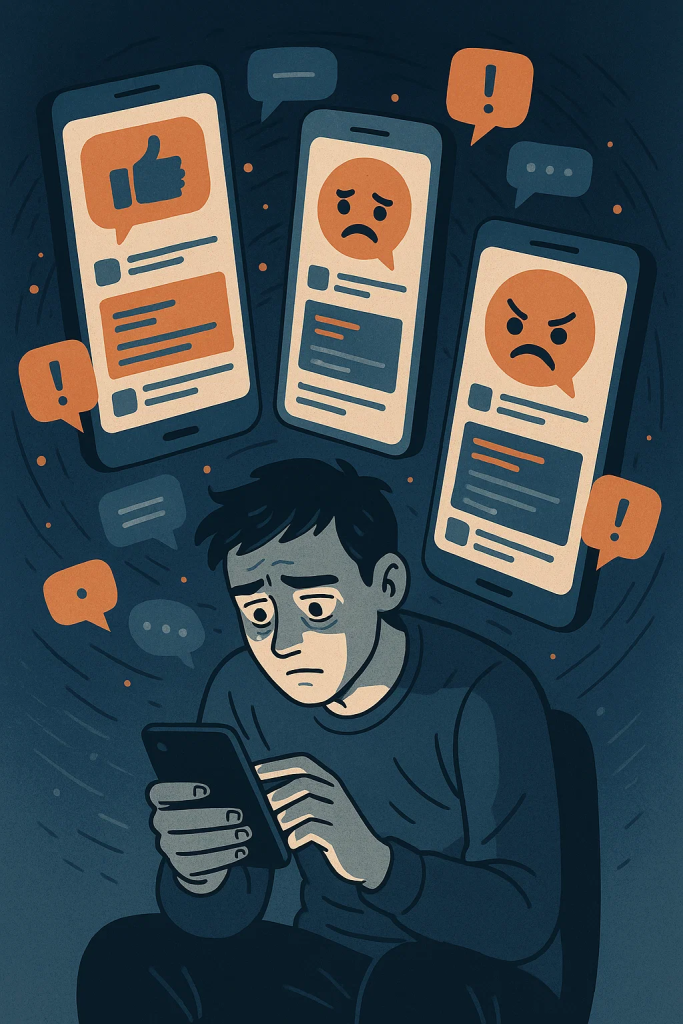
Being mindful of how platforms manipulate attention is the first step toward reclaiming control over digital habits.
4. Mindful Content Consumption
Healthy social media use isn’t about abandoning platforms but about curating what you consume. For example, instead of endlessly scrolling, you might save meaningful or educational videos to watch later at your own pace. Tools like TwVideoDownloader.net let you download important clips, making it easier to revisit content without being pulled into distractions.
Creating intentional habits—like setting daily limits or unfollowing toxic accounts—helps ensure that social media serves you rather than the other way around.
5. Strategies for Healthy Digital Balance
Experts recommend several evidence-based strategies for healthier social media habits:
- Set screen-time boundaries: Use apps or phone settings to limit time on platforms.
- Schedule “offline hours”: Prioritize face-to-face interactions and hobbies.
- Curate your feed: Follow accounts that inspire, educate, or make you feel good.
- Seek professional help: If social media use worsens anxiety or depression, consult a therapist.
Mindfulness and self-regulation are critical for managing stress related to digital technology.
6. Social Media and Youth Mental Health
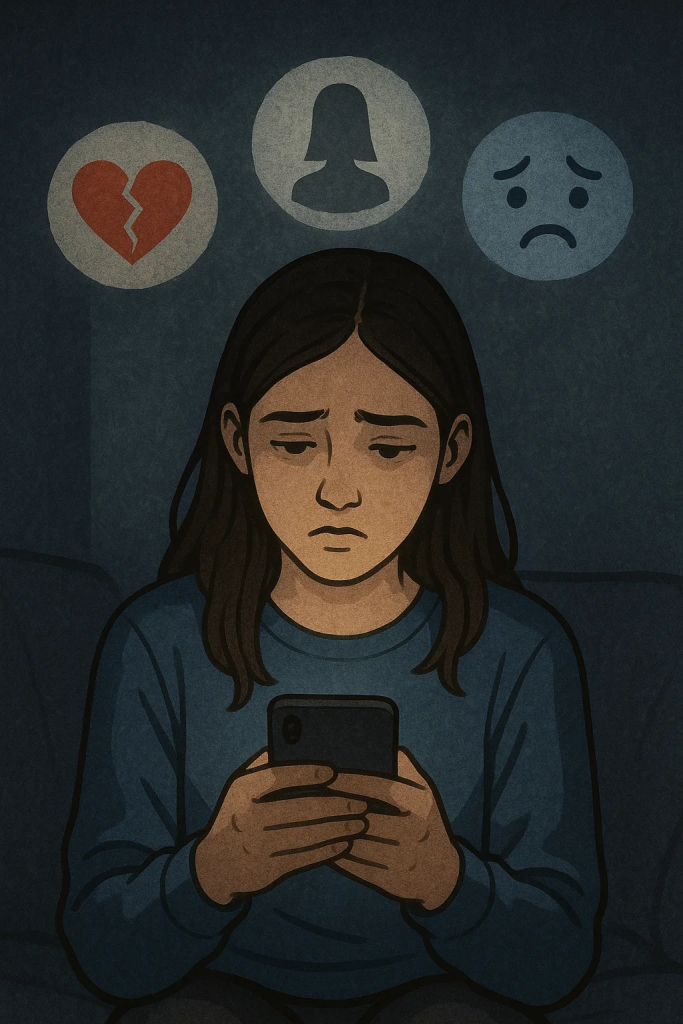
Adolescents and young adults are particularly vulnerable to the effects of social media. Extended screen time and exposure to harmful content can increase risks of loneliness, body image issues, and poor mental health outcomes. Parents and educators play an essential role in guiding teens toward balanced and safe digital use.
Conclusion
Social media is neither entirely good nor bad—it’s a powerful tool that affects mental health depending on how it’s used. While it can foster community and creativity, it also brings risks like anxiety, depression, and digital addiction.
By practicing mindful consumption, setting boundaries, and taking control over when and how you engage with content, you can protect your mental well-being while still enjoying the benefits of online connection.
Ultimately, balance is the key: use social media to enrich your life, not to replace it.
