

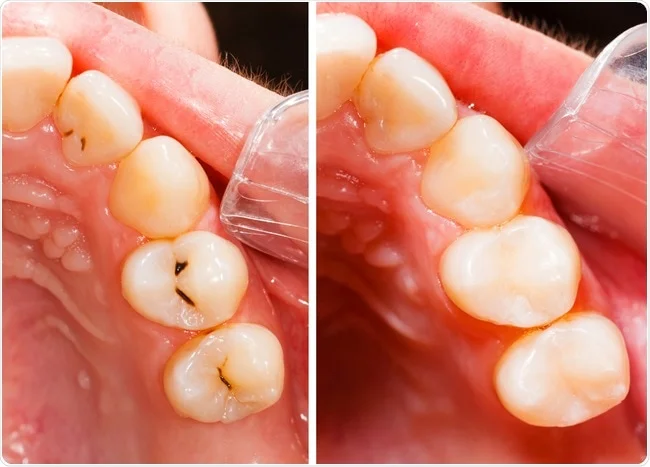
Dental fillings are one of the most common and effective treatments used to repair damaged teeth. When a tooth develops a cavity or minor damage, a filling helps restore its structure and protect it from further decay. Without treatment, small areas of tooth damage can worsen over time, leading to pain, infection, or the need for more extensive procedures. Fillings provide a reliable way to stop the progression of decay and return the tooth to normal function. In order to catch cavities in the earlier stages, schedule regular visits with your dentist Idaho Falls.
What Causes a Tooth to Need a Filling
A filling is typically needed when a tooth develops a cavity due to tooth decay. Decay occurs when bacteria in the mouth feed on sugars from food and drinks, producing acids that slowly wear down the enamel. As the enamel weakens, small holes can form in the tooth, creating cavities. Other forms of damage, such as minor cracks or wear, can also require a filling to repair the affected area. Addressing these issues early with a filling prevents the damage from spreading deeper into the tooth and causing more serious problems.
How the Filling Process Works
The process of placing a dental filling is straightforward and usually completed during a single dental visit. The dentist begins by examining the tooth and identifying the decayed or damaged area. After numbing the area to ensure comfort, the dentist removes the decayed portion of the tooth using specialized dental tools. Once the damaged material is removed, the cleaned space is prepared for the filling material. The filling is then placed into the cavity and carefully shaped to match the natural structure of the tooth. Finally, the dentist hardens and polishes the filling so the tooth feels smooth and functions properly when biting and chewing.
Types of Dental Filling Materials
Several types of materials can be used for dental fillings, and each offers different advantages depending on the patient’s needs. Tooth colored composite fillings are a popular option because they blend naturally with surrounding teeth and provide a strong bond to the tooth structure. Amalgam fillings, which are made from a mixture of metals, have been used for many years and are known for their durability, especially in back teeth that experience heavy chewing pressure. Some fillings may also be made from materials such as ceramic or gold, depending on the location of the cavity and the level of strength required.
How Fillings Restore Tooth Function
One of the main benefits of dental fillings is their ability to restore the normal function of a damaged tooth. Once decay is removed and the cavity is filled, the tooth regains its strength and stability. The filling helps protect the remaining tooth structure and prevents bacteria from entering the damaged area again. This allows patients to chew, bite, and speak comfortably without pain or sensitivity. By sealing off the area that was affected by decay, the filling helps stop the progression of damage and preserves the natural tooth.
The Importance of Treating Cavities Early
Cavities often begin as small areas of decay that may not cause noticeable symptoms at first. If left untreated, the decay can continue spreading deeper into the tooth and eventually reach the inner pulp where nerves and blood vessels are located. At that stage, more complex treatments such as root canals or dental crowns may be required. Treating cavities early with a filling is one of the most effective ways to prevent more serious dental problems and protect the long-term health of your teeth.
Maintaining Fillings and Oral Health
After receiving a dental filling, maintaining good oral hygiene is essential for protecting both the restored tooth and the surrounding teeth. Brushing twice a day, flossing daily, and attending regular dental checkups help ensure that fillings remain in good condition. Although fillings are durable, they may eventually wear down over time and may need to be replaced. Regular dental visits allow dentists to monitor existing fillings and address any concerns before they lead to additional tooth damage.
Protecting Your Smile with Dental Fillings
Dental fillings play an important role in modern dentistry by repairing damage and preventing tooth decay from spreading. They restore the strength, shape, and function of a tooth while preserving as much natural structure as possible. By treating cavities early and maintaining consistent oral care, patients can protect their teeth and maintain a healthy smile for many years.
