

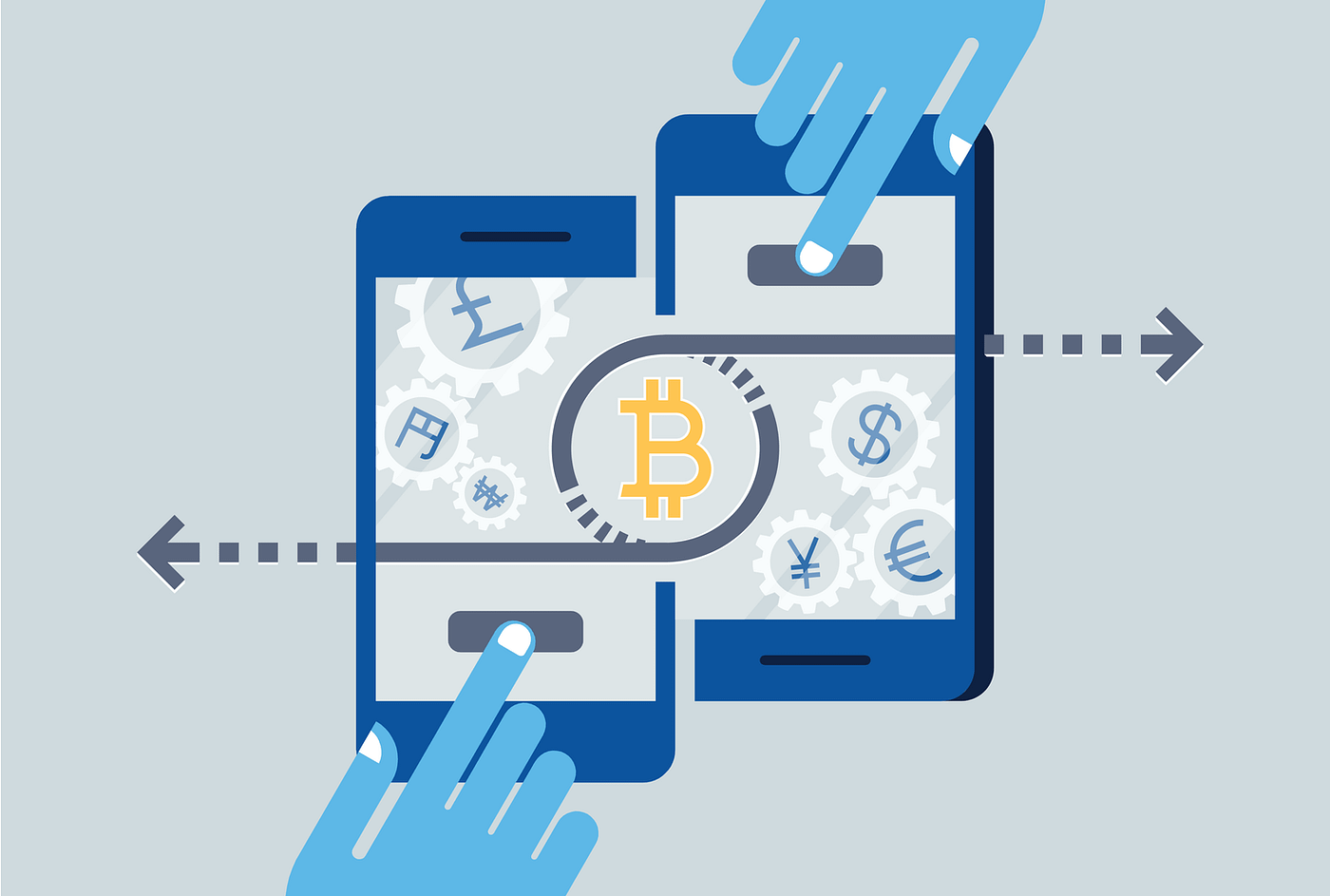
The financial markets of the past were shaped by institutions — stock exchanges, central banks, and commercial banks. Today, a new player is redefining the rules: the P2P trading platform. What began as a niche experiment within the cryptocurrency space has grown into a force influencing remittances, small business transactions, and even global liquidity flows. The effects extend far beyond individual traders, touching economies, regulatory landscapes, and international commerce.
Democratising Access to Finance
One of the most immediate impacts of peer-to-peer systems is financial inclusion. In many parts of the world, millions remain excluded from traditional banking due to lack of infrastructure, documentation, or credit history. A P2P trading platform bypasses these barriers, requiring only a smartphone and internet connection. This simple shift gives entire populations the chance to participate in markets that once seemed unreachable, expanding the global financial base and creating new opportunities for growth.
The Rise of Borderless Remittances
Global remittances are valued at hundreds of billions annually, with migrant workers sending money to families across continents. Traditional remittance services take a significant cut in fees, often leaving families with less. A P2P trading platform reduces costs dramatically by connecting senders and receivers directly. This efficiency not only benefits households but also strengthens local economies, as more disposable income circulates within communities. Over time, this dynamic reshapes patterns of consumption and development.
Small Businesses in the Global Arena
Small and medium-sized enterprises (SMEs) often face challenges when interacting with international clients. Payment delays, high fees, and currency barriers limit their potential. By using a P2P trading platform, these businesses gain direct access to global markets. A craftsman in India can sell to a customer in Europe and receive payment in minutes. A digital freelancer in Africa can be paid in stablecoins instead of waiting weeks for bank wires. The removal of frictions fosters entrepreneurship and accelerates cross-border trade.
Liquidity Beyond Financial Hubs
Traditionally, global liquidity has been concentrated in financial centres like New York, London, and Hong Kong. Peer-to-peer platforms decentralise liquidity, allowing small transactions worldwide to contribute to overall market volume. A P2P trading platform empowers individuals in emerging markets to become liquidity providers, reducing dependence on institutional players. This shift alters the balance of power, redistributing influence from large hubs to a broader base of participants.
Challenges to Traditional Institutions
The rise of peer-to-peer systems creates pressure on banks, remittance services, and exchanges. Institutions once considered irreplaceable must adapt to avoid obsolescence. A P2P trading platform undermines their dominance by offering cheaper, faster, and more inclusive services. As adoption grows, traditional financial models face disruption, forcing institutions either to integrate peer-to-peer tools or risk being left behind.
Regulatory Tensions Across Borders
Governments face the challenge of regulating systems that operate globally but without central points of control. Taxation, anti-money laundering policies, and consumer protection frameworks struggle to keep pace. The P2P platform exists in a grey area in many countries, creating both risks and opportunities. Regulators who embrace innovation can encourage growth, while those who resist may slow adoption. Ultimately, the global market is being reshaped not only by technology but by the policies surrounding it.
Long-Term Market Implications
If peer-to-peer trading continues to grow, global markets will become more fragmented but also more resilient. The P2P trading platform reduces reliance on a handful of dominant institutions, spreading risk across millions of participants. This diversity makes the financial system less vulnerable to single points of failure. At the same time, the integration of stablecoins, digital identities, and smart contracts could push markets toward a hybrid model where peer-to-peer systems operate alongside, and sometimes within, traditional frameworks.
The Future of Market Participation
The long-term vision is one where finance resembles an open marketplace rather than a gated institution. A P2P trading platform enables anyone, anywhere, to be part of the market without asking permission from intermediaries. This inclusivity may redefine not only how money moves but also who has power in global trade. As peer-to-peer systems mature, they will likely become a permanent part of financial infrastructure, influencing everything from currency flows to investment strategies.
Global markets are no longer shaped exclusively by large banks or centralised exchanges. The rise of peer-to-peer systems signals a new era where financial power is distributed, access is widened, and innovation drives efficiency. The P2P platform is not simply another digital tool; it is a catalyst transforming how economies connect and how people participate in global commerce.
