

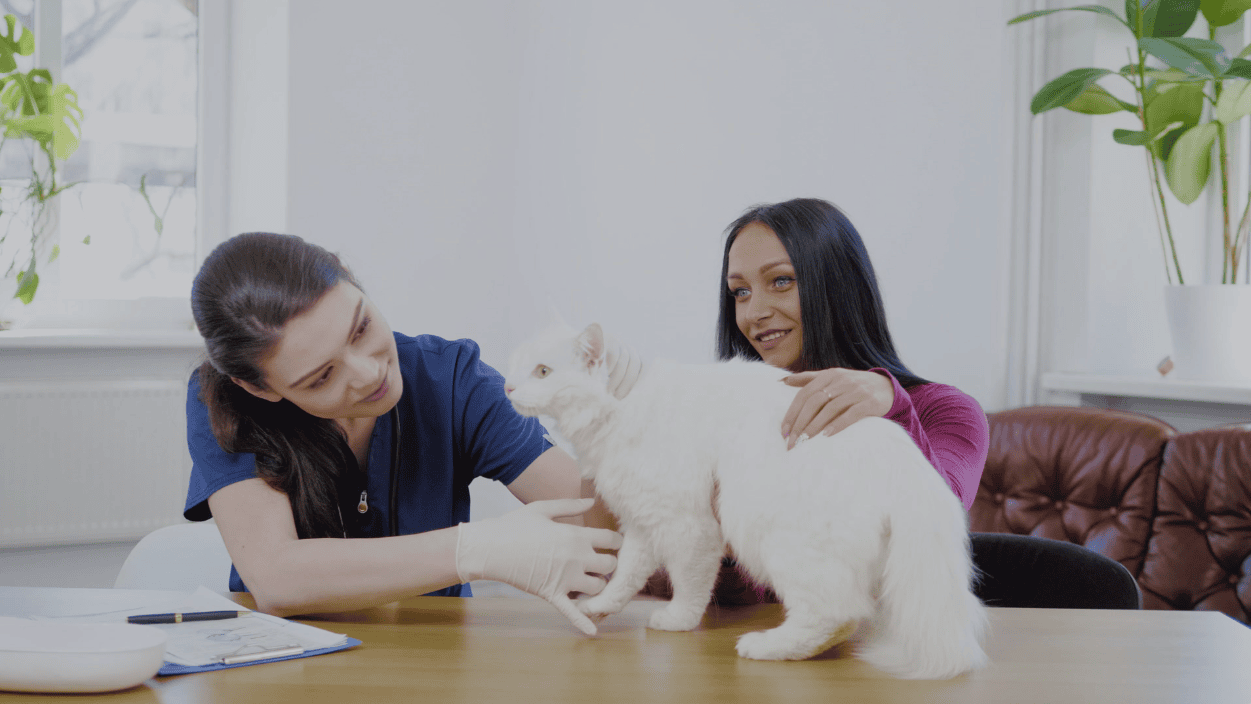
Routine exams and vaccines protect your pet from pain, disease, and early death. A mobile vet in Annapolis, MD brings that care to your door so your pet stays calm in a familiar place. You avoid a crowded lobby. Your pet avoids fear and struggle. During a home visit, the veterinarian checks your pet’s eyes, ears, teeth, heart, lungs, skin, and joints. The veterinarian also reviews food, weight, behavior, and daily habits. Then the veterinarian gives vaccines that match your pet’s age, health, and risk. This quiet setting lets you ask hard questions about cost, safety, and next steps. It also helps the veterinarian spot small changes that clinics can miss. Regular home exams and vaccines build a record that can guide care during a crisis. Your choices today can prevent long hospital stays, sudden emergencies, and painful goodbyes.
What Happens During a Mobile Routine Exam
The visit starts before the veterinarian walks through your door. You share your pet’s medical records and any worries. You might mention new coughing, stiff steps, or a change in appetite. This shapes the exam plan.
During the visit, the veterinarian usually follows three steps.
- Talk with you about your pet’s daily life and past care
- Give a full nose to tail exam
- Update vaccines and plan future care
The physical exam often includes checks of the following.
- Eyes for redness, cloudiness, or discharge
- Ears for odor, wax, or swelling
- Mouth and teeth for gum disease or broken teeth
- Heart and lungs with a stethoscope
- Skin and coat for fleas, ticks, or lumps
- Belly for pain or swollen organs
- Joints and muscles for weakness or stiffness
In your home, your pet often shows a truer picture of health. The veterinarian can see how your pet walks on your floors and uses stairs. You can point out litter boxes, food bowls, and sleeping spots. That context helps spot hidden problems early.
How Vaccines Fit Into the Home Visit
Vaccines protect your pet from infections that can spread fast and cause death. The Centers for Disease Control and Prevention explains how vaccines work with the immune system for both people and animals.
During a mobile visit, the veterinarian reviews three things before any shot.
- Age of your pet
- Health history
- Lifestyle and travel plans
This helps the veterinarian build a schedule that fits your pet. For dogs and cats, vaccines fall into two groups. Some shots are core. Others are non-core and depend on risk.
Common Dog And Cat Vaccines And When They Are Used
| Pet | Core Vaccines | Non Core Vaccines | Typical Use |
|---|---|---|---|
| Dog | Rabies, Distemper, Parvovirus, Adenovirus | Leptospirosis, Bordetella, Lyme, Canine influenza | Core for all dogs. Non core for dogs that hike, board, or visit daycare |
| Cat | Rabies, FVRCP | FeLV, Chlamydia | Core for all cats. Non core for cats that go outside or live with new cats |
Rabies vaccines follow state law. The Maryland Department of Health explains that every dog, cat, and ferret needs rabies shots on a set schedule.
After each shot, the veterinarian watches your pet for any reaction. In your home, you can see changes in energy, appetite, or swelling and call right away.
Why Home Exams Can Be Easier For Your Pet
Many pets shake or hide at a clinic. Strange smells and loud sounds can trigger fear. That fear can mask signs of disease. It can also raise heart rate and breathing, and confuse exam results.
At home, your pet often acts calm. That calm state helps the veterinarian hear the heart clearly and feel muscles and joints without tense resistance. It also lets your pet form better memories of care.
Mobile care can help these groups the most.
- Large dogs that are hard to lift into a car
- Senior pets that struggle with long waits
- Cats that fight carriers or stop eating after a clinic trip
- Families with small children or many pets
You gain time. You also keep your pet away from sick animals in waiting rooms.
Comparing Mobile Exams And Clinic Visits
Mobile Veterinarian Visit Compared To Clinic Visit
| Factor | Mobile Veterinarian | Clinic Visit |
|---|---|---|
| Travel | No car ride for your pet | Drive to and from clinic |
| Waiting Time | Set appointment at your home | Lobby wait before and after exam |
| Stress For Pet | Familiar sounds and smells | Strange animals and noises |
| View Of Home Life | Veterinarian sees food, litter box, and bedding | Relies on your memory and notes |
| Cost | House call fee plus exam and vaccines | Clinic exam and vaccine fees |
| Best Use | Routine care, mild illness, behavior review | Routine care and urgent or complex treatment |
Both choices can work. You can also use a mix. You might use a mobile visit for yearly exams and vaccines, and use a clinic for surgery or advanced tests.
How To Prepare For A Mobile Visit
Good planning makes the visit smoother for you and your pet. You can follow three simple steps.
- Gather records and write your questions
- Pick a quiet room with good light
- Secure your pet before the visit starts
Have past vaccine dates, test results, and medicine names ready. Set out your pet’s food, treats, and any supplements. Place the dogs on a leash before the veterinarian arrives. Keep cats in one room so they cannot hide under beds.
You can also plan for payment and follow-up. Ask when to book the next visit. Ask which signs should lead to an urgent call.
When A Mobile Veterinarian Is Not Enough
Some problems need clinic tools. These include surgery, X-rays, and some emergency treatments. Many mobile veterinarians partner with clinics for these services.
Call a clinic or emergency hospital at once if your pet has any of these signs.
- Trouble breathing
- Seizures
- Heavy bleeding
- Sudden collapse
- Hit by a car
Routine care at home still matters. It can prevent many of these crises. It also gives the clinic a clear record when fast choices are needed.
Using Mobile Care To Protect Your Pet Long Term
Routine exams and vaccines are acts of protection. Mobile veterinarians bring that protection into your living room. The visits are quiet and focused. Your pet stays calm. You gain clear answers. You also gain a partner who knows your pet’s story over time.
With steady home care, small lumps, heart changes, and weight shifts do not slip by. You face fewer late-night panics and fewer rushed drives. You give your pet a safer life and a gentler old age.
