

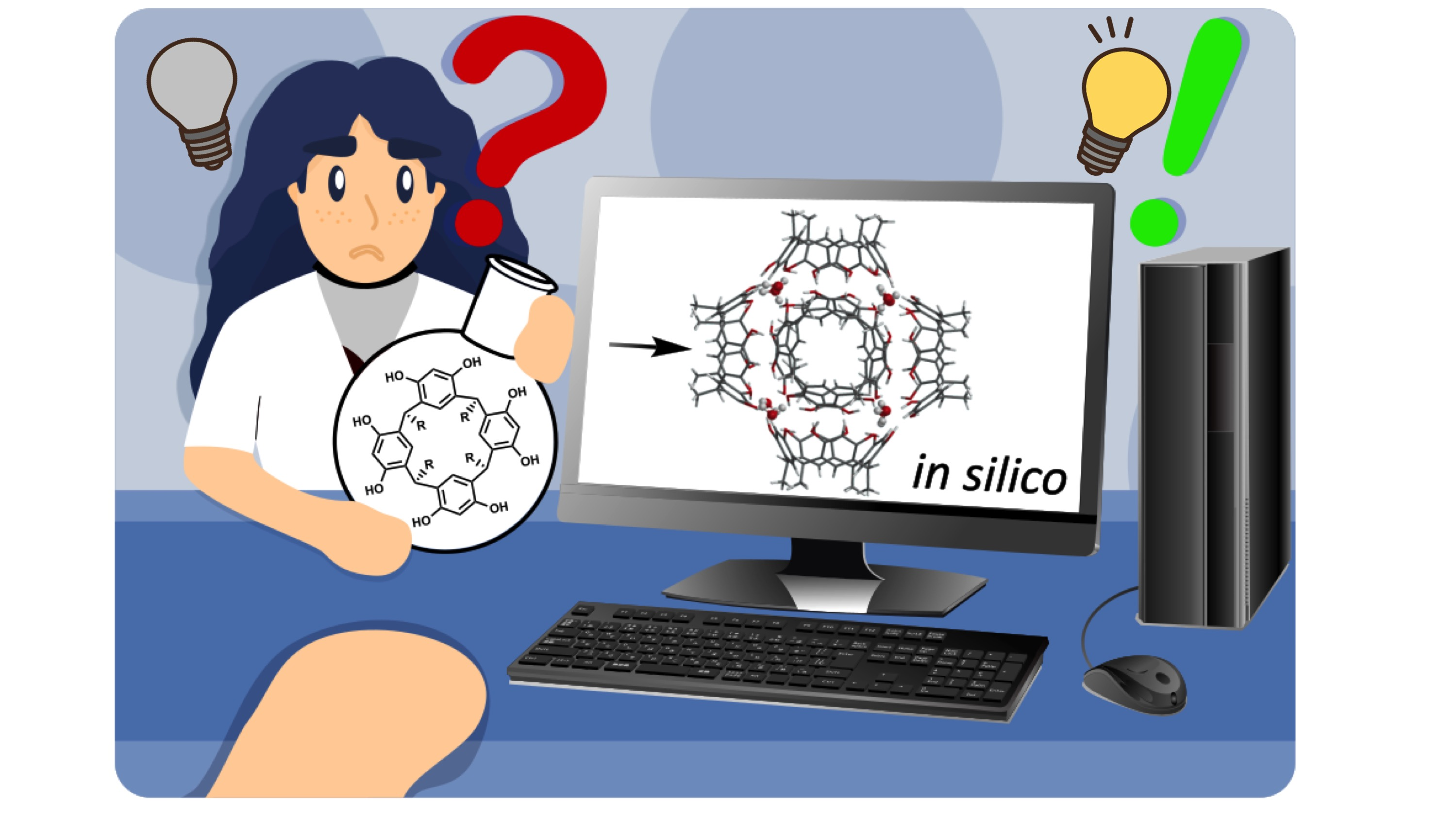
Chemical reactions form the foundation of chemistry, explaining how substances transform, interact, and create new compounds. However, for many students, understanding reactions, especially in advanced chemistry, can be challenging. Abstract mechanisms, invisible electron movements, and multi-step processes often make the subject difficult to grasp. Interactive lessons delivered through online education have significantly improved how students understand and engage with chemical reactions, turning complex theory into clear, visual, and manageable learning experiences.
Why Chemical Reactions Are Difficult to Learn
Chemical reactions involve processes that cannot be directly observed. Students must imagine how atoms rearrange, how bonds break and form, and how energy changes throughout a reaction. Traditional teaching methods rely heavily on static diagrams and textbook explanations, which may not effectively convey these dynamic processes.
As reaction complexity increases, learners often struggle with reaction mechanisms, stereochemistry, and predicting reaction outcomes. Without interactive support, these challenges can lead to confusion and reduced confidence in chemistry studies.
The Role of Interactivity in Modern Chemistry Education
Interactive lessons change the learning experience by actively involving students in the process. Instead of passively reading or memorizing reactions, learners engage with animations, simulations, and interactive problem-solving tools.
These lessons encourage exploration and experimentation, allowing students to see how reactions unfold step by step. This active participation strengthens understanding and promotes long-term retention of chemical concepts.
Visualizing Reaction Mechanisms in Real Time
One of the biggest advantages of interactive lessons is real-time visualization. Students can watch electron movement, bond formation, and bond breaking as reactions occur.
Animations clearly illustrate reaction pathways, making it easier to understand why reactions proceed in specific ways. Seeing these processes visually helps students connect theory with actual chemical behavior, something static images often fail to achieve.
Step-by-Step Breakdown of Complex Reactions
Interactive lessons often present chemical reactions in a sequential format. Each step is explained clearly, allowing learners to pause, replay, or review individual stages of a reaction.
This controlled pace is especially beneficial for multi-step reactions, where missing one detail can disrupt overall understanding. By breaking reactions into smaller, manageable components, students gain clarity and confidence.
Active Learning Encourages Deeper Engagement
Interactive lessons promote active learning by requiring students to participate rather than observe. Activities such as drag-and-drop mechanisms, reaction prediction exercises, and interactive quizzes encourage learners to think critically.
When students actively apply concepts, they are more likely to understand the logic behind reactions rather than memorizing outcomes. This deeper engagement leads to improved problem-solving skills and better academic performance.
Personalized Learning for Reaction Mastery
Every student learns chemistry at a different pace. Interactive online platforms often use adaptive learning systems that adjust content based on individual performance.
A structured organic chemistry online course can identify areas where students struggle, such as nucleophilic substitution or reaction kinetics, and provide targeted practice and explanations. Personalized feedback helps learners overcome weaknesses and build a solid understanding of reactions.
Virtual Experiments and Reaction Simulations
Interactive lessons frequently include virtual experiments that allow students to simulate chemical reactions safely. Learners can manipulate variables like temperature, concentration, and catalysts to observe how reactions change.
These simulations reinforce theoretical concepts by showing real-time outcomes. Students gain practical insight without the risks or limitations of physical laboratories, making learning both safer and more accessible.
Immediate Feedback Improves Concept Clarity
Instant feedback is a key benefit of interactive lessons. When students attempt reaction problems or quizzes, they receive immediate responses explaining why an answer is correct or incorrect.
This real-time feedback prevents misunderstandings from persisting and helps learners correct mistakes early. Over time, this process strengthens conceptual clarity and improves overall comprehension.
Improving Retention Through Repetition and Practice
Understanding chemical reactions requires repeated exposure and practice. Interactive lessons make repetition engaging rather than monotonous.
Students can revisit animations, redo simulations, and practice reaction mechanisms multiple times until they feel confident. This repetition strengthens memory retention and helps students recall reactions more easily during exams or practical applications.
Connecting Reactions to Real-World Applications
Interactive lessons often incorporate real-world examples to demonstrate the relevance of chemical reactions. Applications in pharmaceuticals, environmental science, and industrial chemistry help students understand why reactions matter beyond the classroom.
Relating abstract concepts to practical uses increases motivation and makes learning more meaningful. Students begin to see chemical reactions as tools for solving real problems rather than isolated academic exercises.
Accessibility and Flexibility in Learning Reactions
Online interactive lessons offer flexibility that traditional classrooms cannot. Students can learn at their own pace, revisit challenging topics, and study at times that suit their schedules.
This accessibility benefits learners with different backgrounds, responsibilities, and learning preferences. A comprehensive organic chemistry online course ensures consistent access to high-quality interactive content regardless of location.
Supporting Different Learning Styles
Not all students learn the same way. Interactive chemistry lessons cater to visual, auditory, and kinesthetic learners through videos, animations, narration, and hands-on digital activities.
This inclusive approach ensures that a wider range of students can effectively understand chemical reactions, reducing frustration and improving overall learning outcomes.
Building Confidence in Problem Solving
As students gain clarity through interactive lessons, their confidence in solving reaction problems increases. Understanding the “why” behind reactions enables learners to approach unfamiliar problems logically.
Confidence grows as students successfully predict outcomes, analyze mechanisms, and explain reactions in their own words. This self-assurance is essential for success in advanced chemistry studies.
Preparing Students for Advanced Studies and Careers
Strong knowledge of chemical reactions is essential for higher education and chemistry-related careers. Interactive lessons equip students with analytical skills, conceptual understanding, and practical insight.
Exposure to digital learning tools also prepares learners for modern scientific environments where technology and virtual collaboration are increasingly important.
The Future of Interactive Chemistry Education
As educational technology continues to evolve, interactive chemistry lessons will become even more immersive. Innovations such as augmented reality and artificial intelligence promise enhanced visualization and personalized learning experiences.
These advancements will further simplify complex reactions, making chemistry more accessible and engaging for future learners.
Conclusion
Interactive lessons have transformed how students understand chemical reactions by turning abstract processes into clear, engaging, and interactive experiences. Through visualization, active participation, personalized learning, and real-world applications, learners can develop a deeper and more confident understanding of reaction mechanisms. As online education continues to advance, interactive learning will remain a powerful tool for mastering the complexities of chemical reactions.
